Safe Use of Electrical Equipment in Hazardous Areas Course
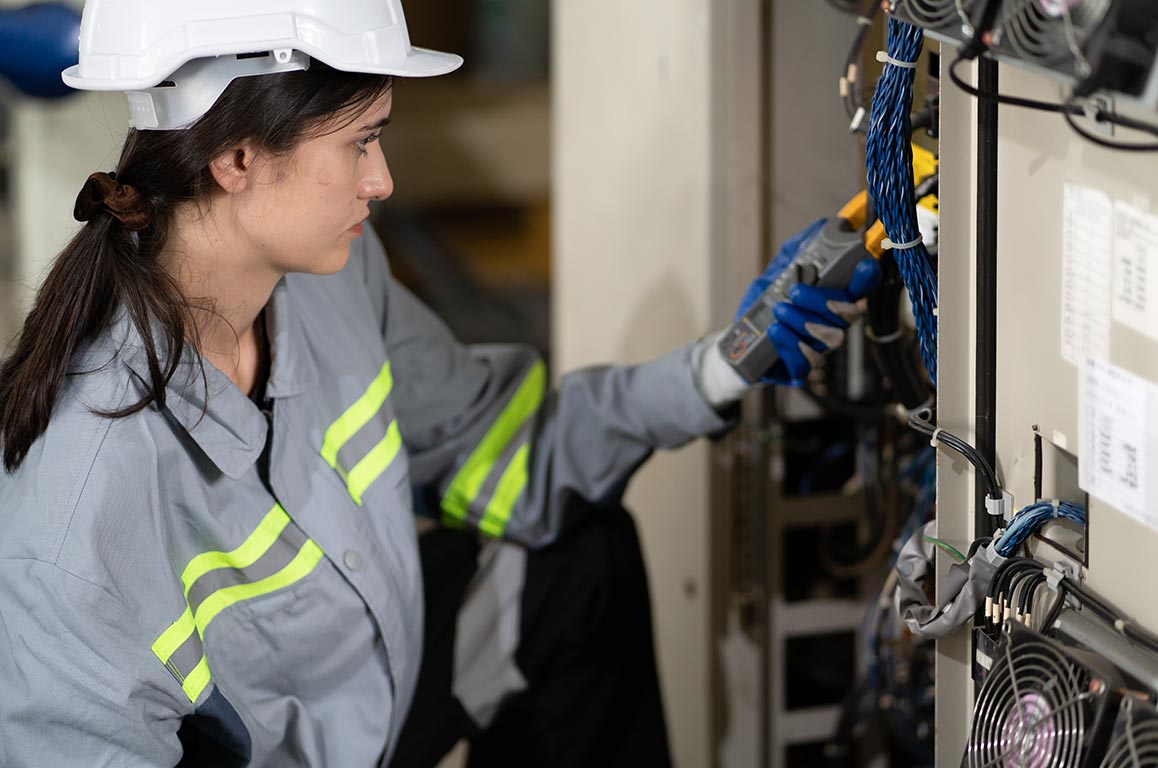
This course is specifically designed for professionals working in hazardous environments where the correct use of electrical equipment is critical to safety and regulatory compliance. It provides essential knowledge and practical guidance to help candidates understand the risks and safety measures associated with installing, operating, and maintaining electrical equipment in explosive or flammable atmospheres.
Targeted at electricians, engineers, and technicians operating in sectors such as oil and gas, chemical plants, and offshore industries, the course meets current industry standards and relevant regulations to ensure safety and competence in hazardous area electrical work.
Why enrol on this hazardous areas course?
Understanding the safe operation of electrical equipment in hazardous zones is vital to preventing accidents and ensuring workplace safety. This course equips you with the knowledge needed to recognise risks, follow safe procedures, and comply with legal requirements.
We offer a practical, clear approach delivered by experienced instructors with extensive industry experience. Completing this course enhances your professional skills, helping you meet safety standards and contribute confidently to risk management in hazardous environments.

Hazardous Areas Course Overview
This course provides an overview of the hazards associated with installing, operating, and maintaining electrical equipment in explosive environments. Attendees will be taught the relevant electrical practices and regulations required to work safely in hazardous areas, protecting both personnel and equipment.
Course Topics
- Petrochemical processing plants
- Refining plants
- Offshore platforms
- Petrol filling stations
- Paint spraying facilities
- Gas works
- Pressurisation (EExP)
- Intrinsic Safety
- Hazardous Dust Areas

The course teaches key standards such as ATEX and IECEx relevant to hazardous areas.
Basic electrical knowledge is recommended but not essential. Similarly, it is advantageous to have an understanding of the potential dangers associated with hazardous areas, but not necessary. However, all participants must be over 18 and have a reasonable command of written and spoken English.
Yes, on completing the course and passing the written exam, delegates will receive a Certificate of Competence accredited by PASS Ltd.
Yes, practical elements focus on identifying zones and safe equipment use.
Electricians, engineers, and technicians working in hazardous environments like oil and gas or chemical industries.
24 hours (Mon-Fri).