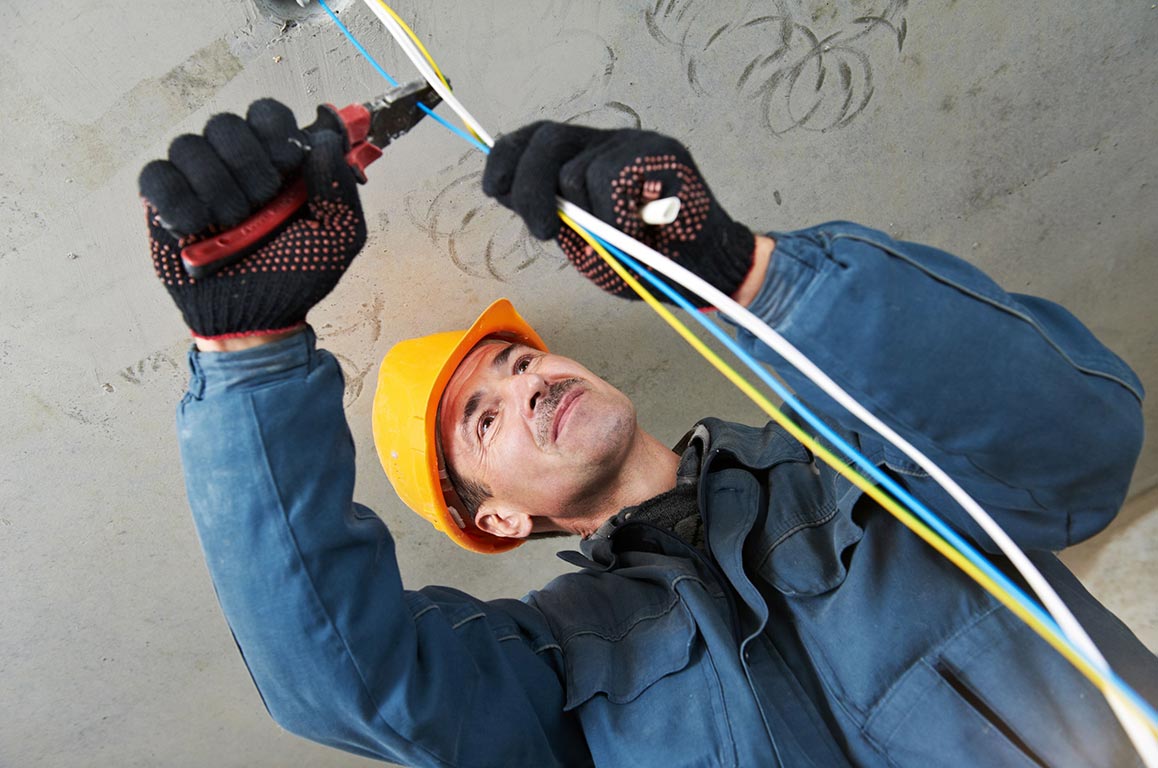
 Beginner Electrician Courses
3 Courses
View Courses
Beginner Electrician Courses
3 Courses
View Courses
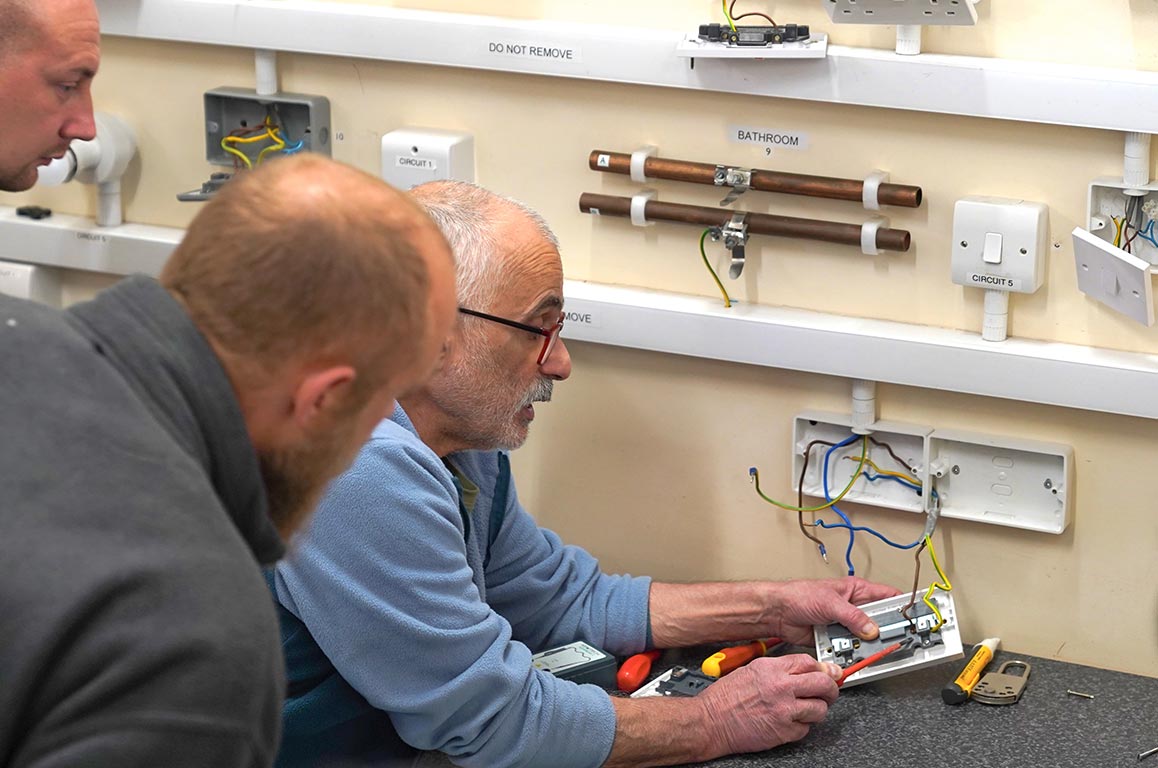 Electrical Basics & Safety Courses
7 Courses
View Courses
Electrical Basics & Safety Courses
7 Courses
View Courses
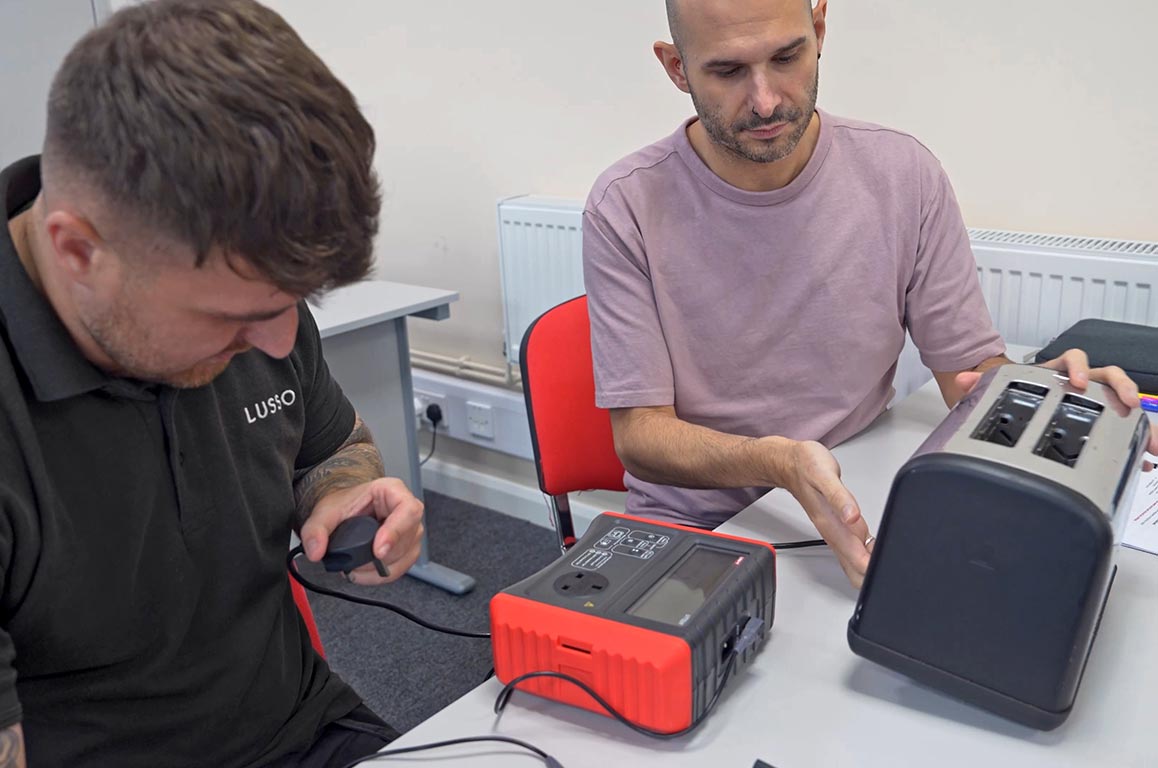 PAT Testing Courses
2 Courses
View Courses
PAT Testing Courses
2 Courses
View Courses
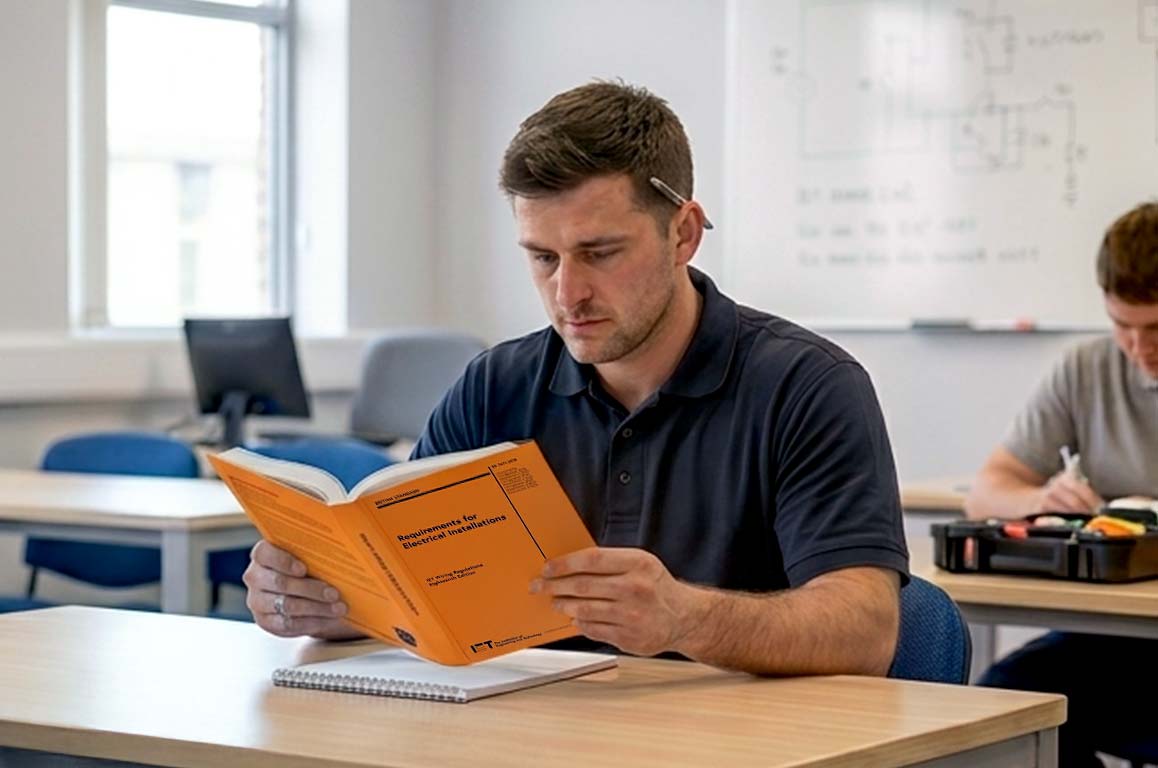 18th Edition Wiring Regulations Courses
2 Courses
View Courses
18th Edition Wiring Regulations Courses
2 Courses
View Courses
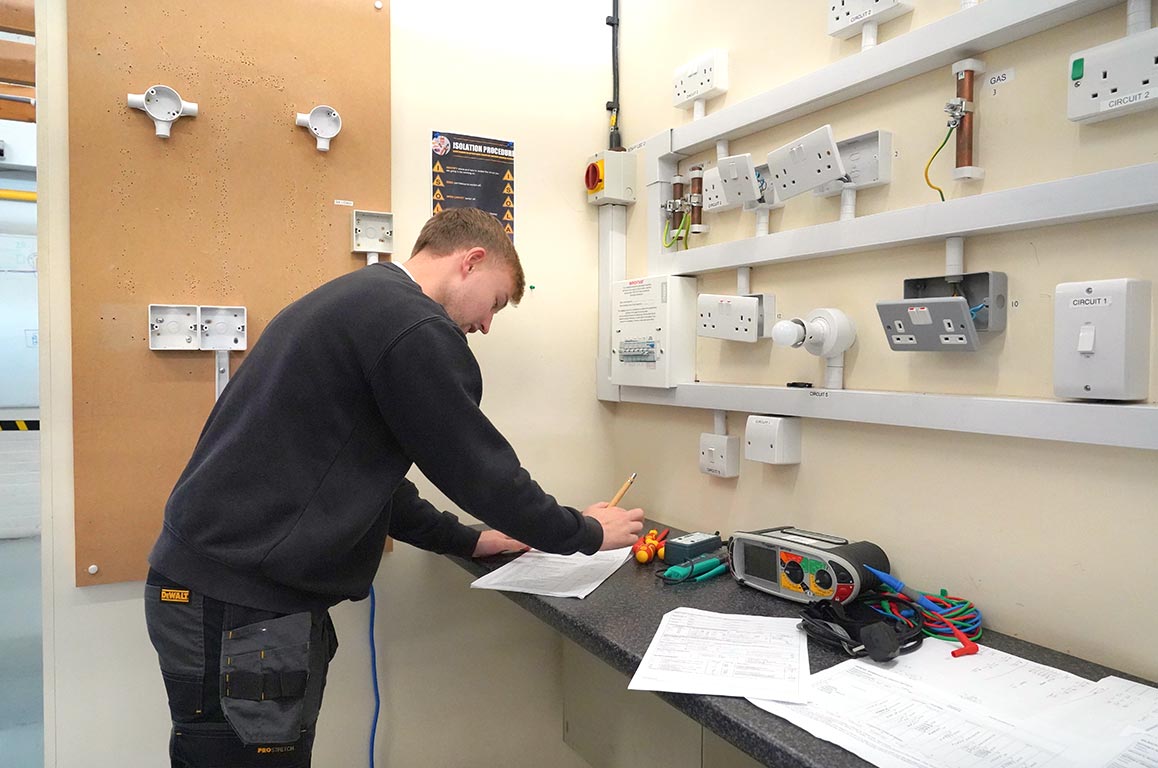 Inspection & Testing Courses
3 Courses
View Courses
Inspection & Testing Courses
3 Courses
View Courses
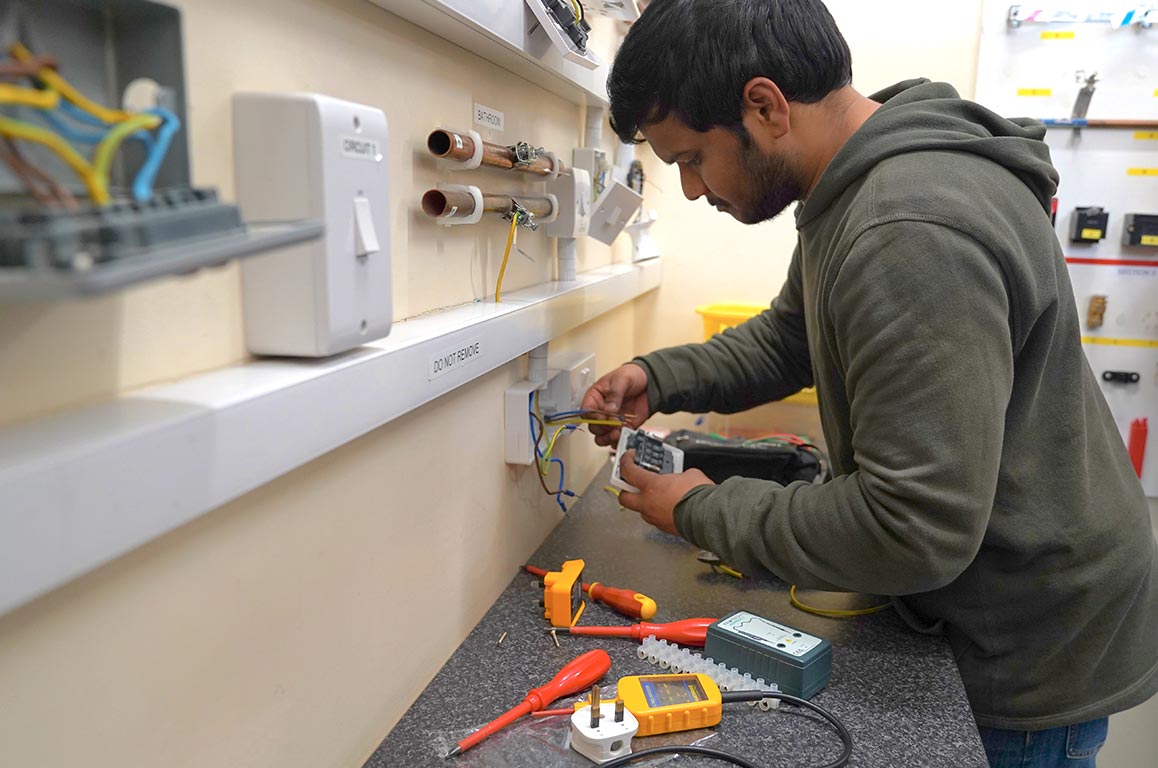 Domestic Electrical Courses
2 Courses & 1 Package
View Courses
Domestic Electrical Courses
2 Courses & 1 Package
View Courses
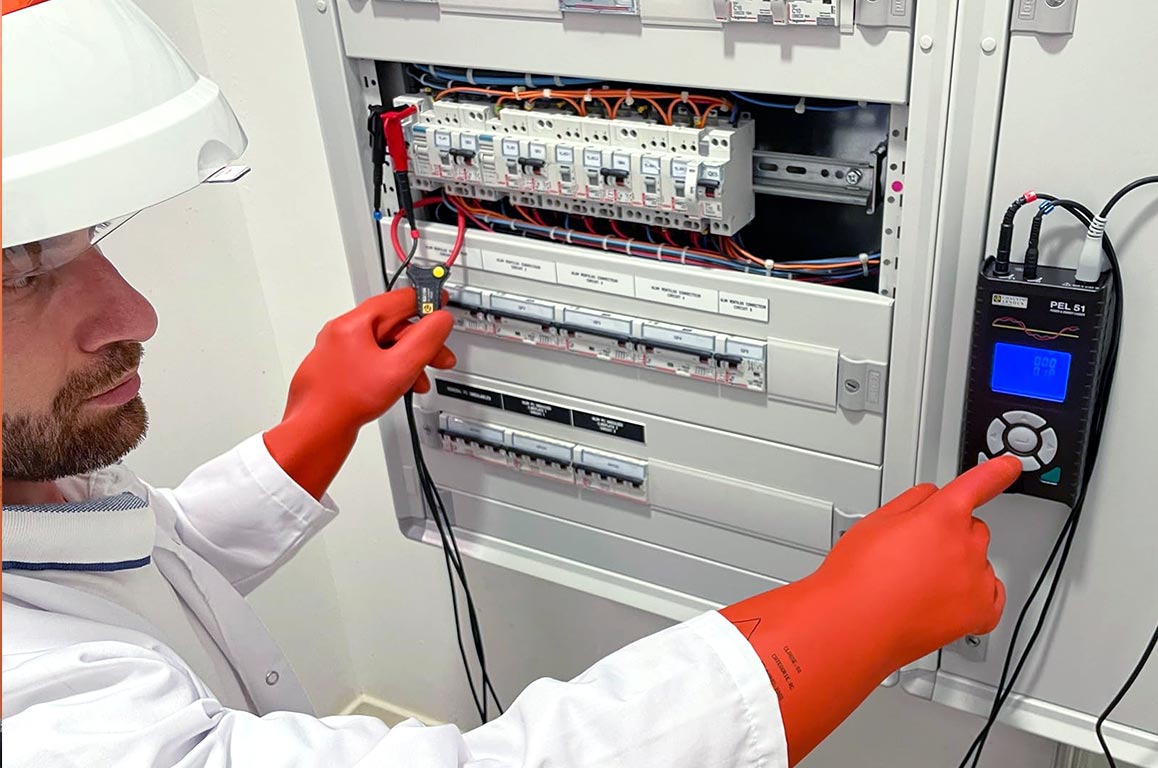 EV, Renewables & Power Quality Courses
2 Courses
View Courses
EV, Renewables & Power Quality Courses
2 Courses
View Courses

City & Guilds Approved Centres
City & Guilds electrical training courses provide industry‑recognised qualifications to ensure safe, competent work. We offer accredited programmes including 18th Edition Wiring Regulations, Inspection & Testing, and PAT Testing, equipping electricians and technicians with practical skills for roles such as Installation Electrician, Electrical Tester, and Maintenance Technician.
Type: Beginner & Basics | PAT | Electrician
Domestic Electrical Installer
£1975
£2370
View Package
LCL Awards Domestic Electric Installer (Part P) Course
£795
£954
View Course
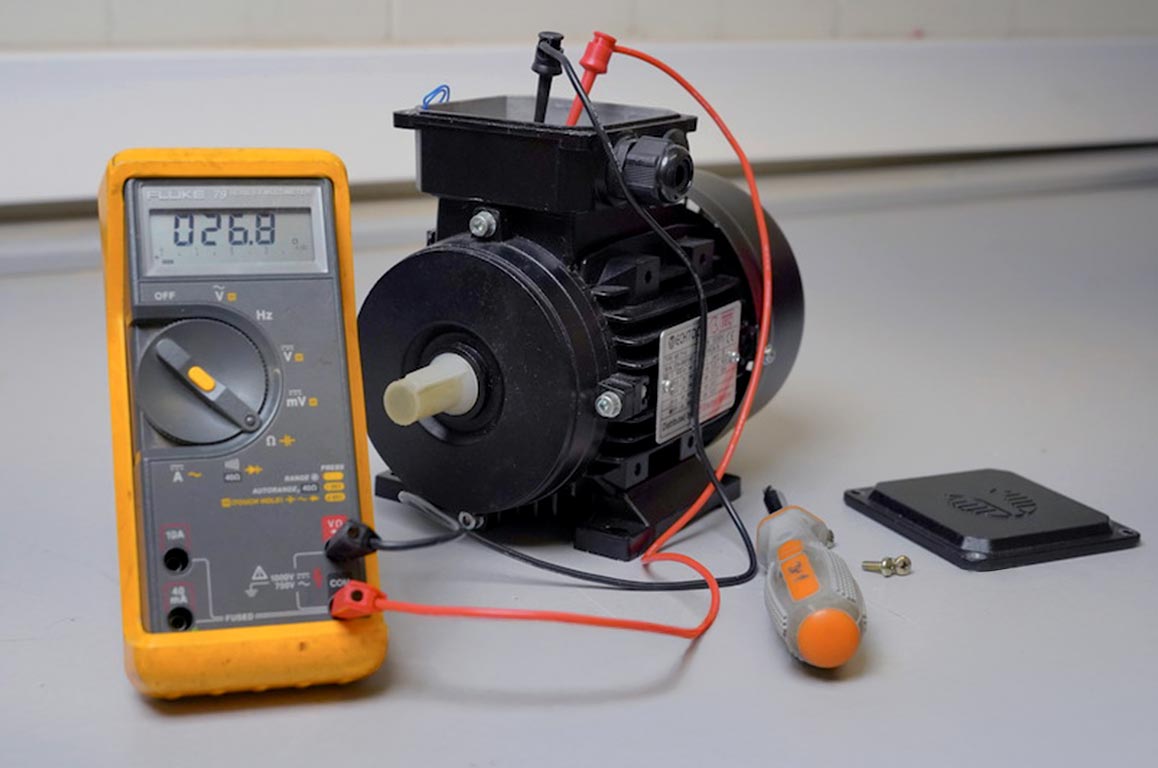 Foundation Electrics for Mechanical Technicians Course
£850
£1020
View Course
Foundation Electrics for Mechanical Technicians Course
£850
£1020
View Course

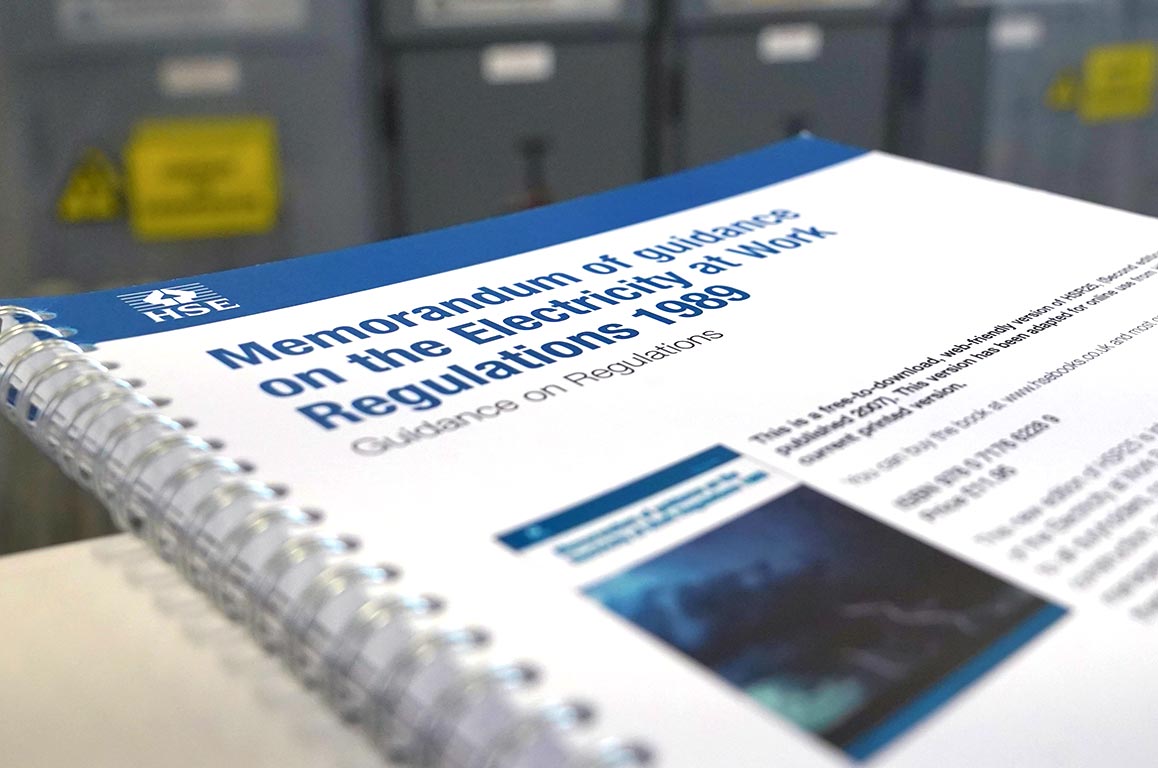 Electricity at Work Regulations (EAWR) 1989 Course
£350
£420
View Course
Entry Level
Basic Electrical Skills for Beginners & Non-Electricians Course
£499
£598.80
View Course
Entry Level
Electricity at Work Regulations (EAWR) 1989 Course
£350
£420
View Course
Entry Level
Basic Electrical Skills for Beginners & Non-Electricians Course
£499
£598.80
View Course
Entry Level
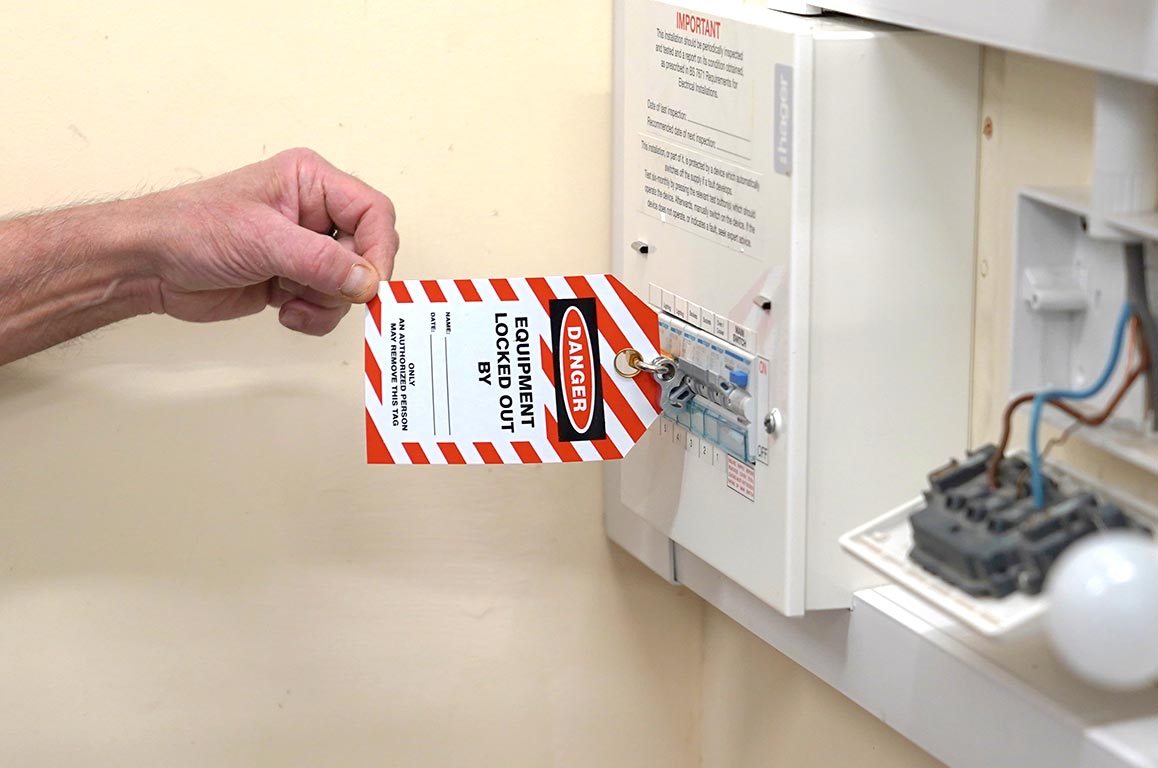 Safe Isolation & Handyman Electrical Safety Training Course
£299
£358.80
View Course
Safe Isolation & Handyman Electrical Safety Training Course
£299
£358.80
View Course
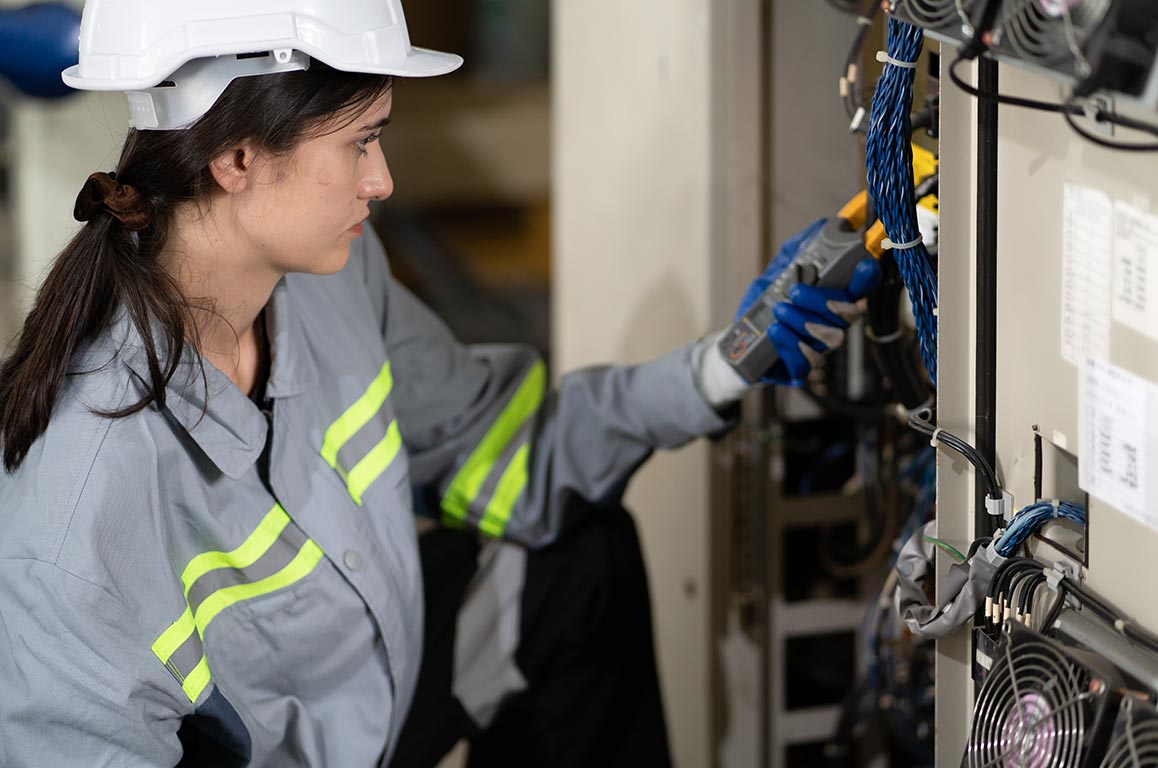 Safe Use of Electrical Equipment in Hazardous Areas Course
£699
£838.80
View Course
PAT Testing Competency Course
£349
£418.80
View Course
Safe Use of Electrical Equipment in Hazardous Areas Course
£699
£838.80
View Course
PAT Testing Competency Course
£349
£418.80
View Course
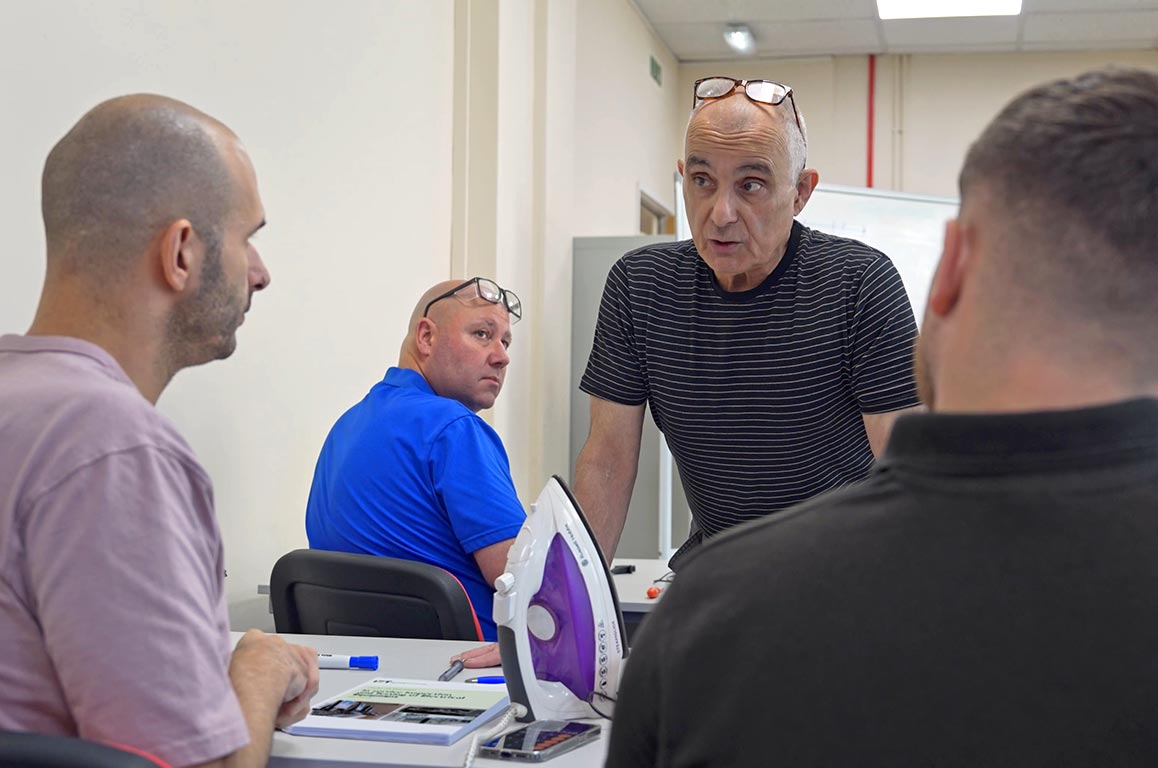 City & Guilds 2377-77 EET/PAT Testing In-Service Inspection & Testing of Electrical Equipment Course
£449
£538.80
View Course
City & Guilds 2377-77 EET/PAT Testing In-Service Inspection & Testing of Electrical Equipment Course
£449
£538.80
View Course
 Which PAT Course is Right for Me?
Choose the course that suits your experience and career goals to become a certified competent person in PAT testing.
PAT Testing Courses
City & Guilds 2382-26 18th Edition Wiring Regulations Course
£495
£594
View Course
1 Day + Exam
City & Guilds 2382-26 18th Edition Amendment 4 Update Course with Exam
£195
£234
View Course
Which PAT Course is Right for Me?
Choose the course that suits your experience and career goals to become a certified competent person in PAT testing.
PAT Testing Courses
City & Guilds 2382-26 18th Edition Wiring Regulations Course
£495
£594
View Course
1 Day + Exam
City & Guilds 2382-26 18th Edition Amendment 4 Update Course with Exam
£195
£234
View Course
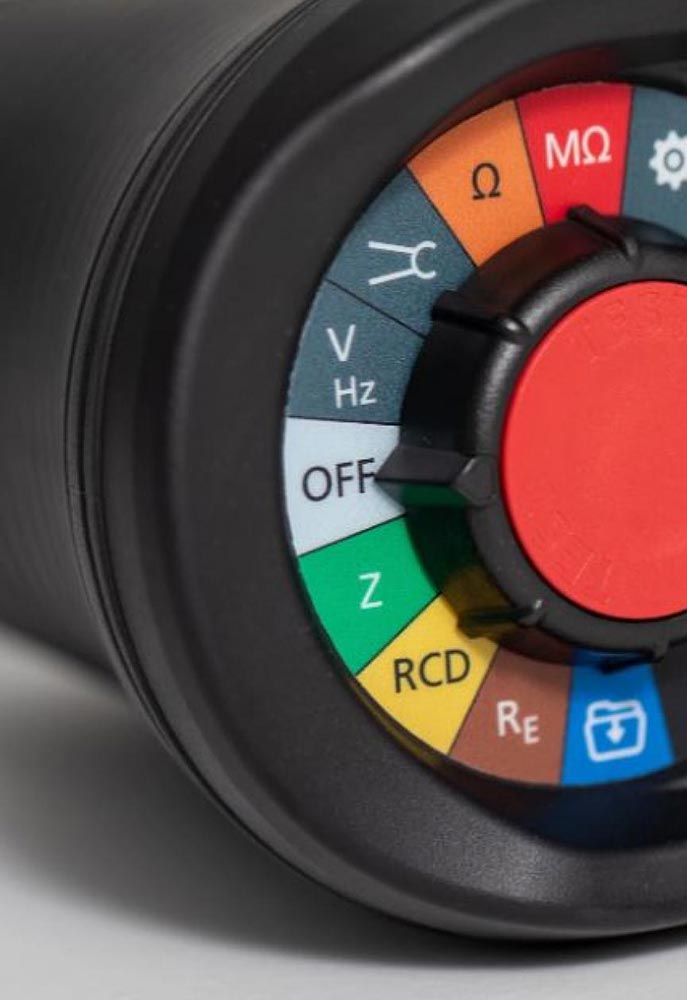 Looking for Electrical Test Equipment?
Shop 20,000+ leading-brand products at www.tester.co.uk, the choice of electricians.
Shop Now
Looking for Electrical Test Equipment?
Shop 20,000+ leading-brand products at www.tester.co.uk, the choice of electricians.
Shop Now
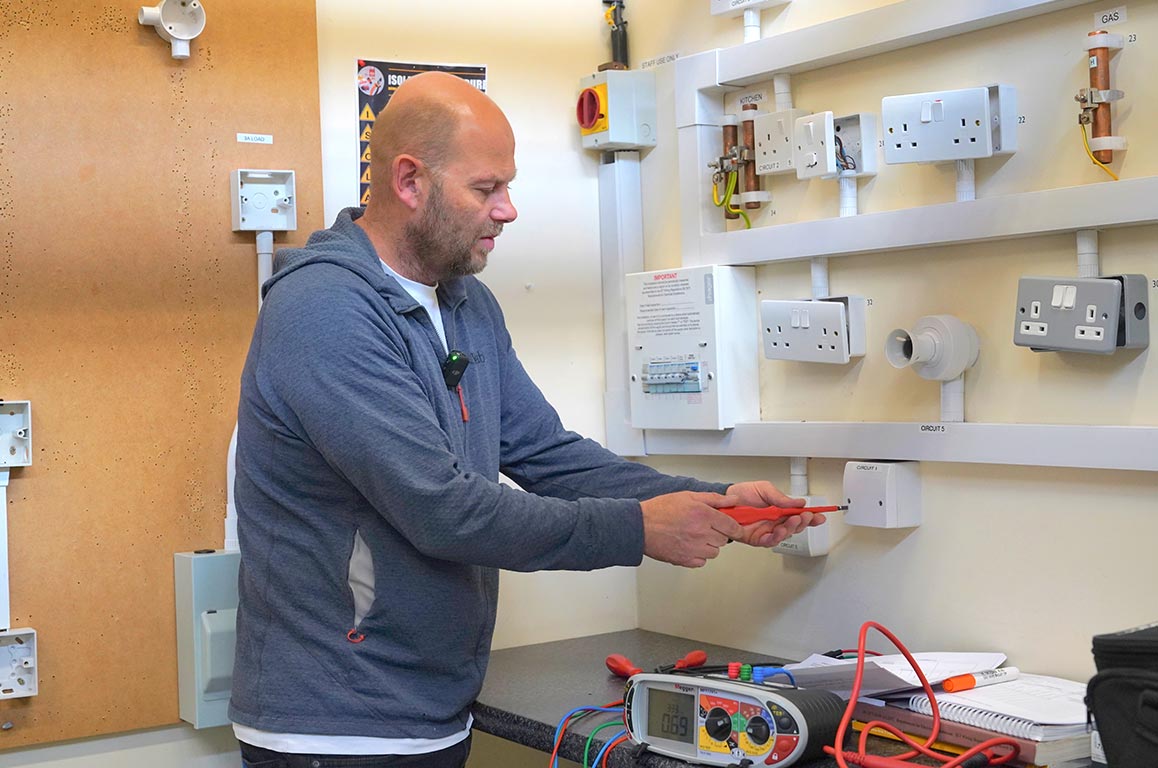 Introduction to Inspection & Testing of Electrical Installations Course
£250
£300
View Course
★ Popular
City & Guilds 2391-52 Combined Initial Verification / Periodic Inspection & Testing of Electrical Installations Course
£1100
£1320
View Course
Introduction to Inspection & Testing of Electrical Installations Course
£250
£300
View Course
★ Popular
City & Guilds 2391-52 Combined Initial Verification / Periodic Inspection & Testing of Electrical Installations Course
£1100
£1320
View Course
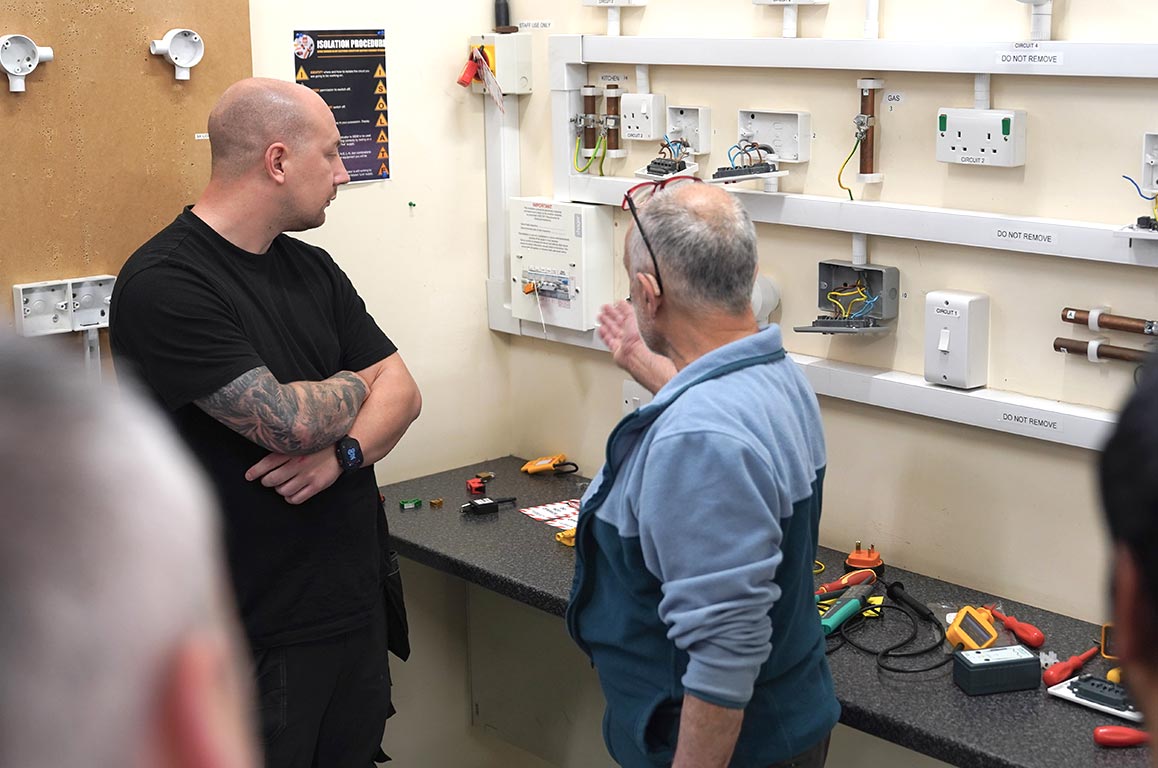 City & Guilds 2392-10 Inspection & Testing Course
£830
£996
View Course
City & Guilds 2392-10 Inspection & Testing Course
£830
£996
View Course
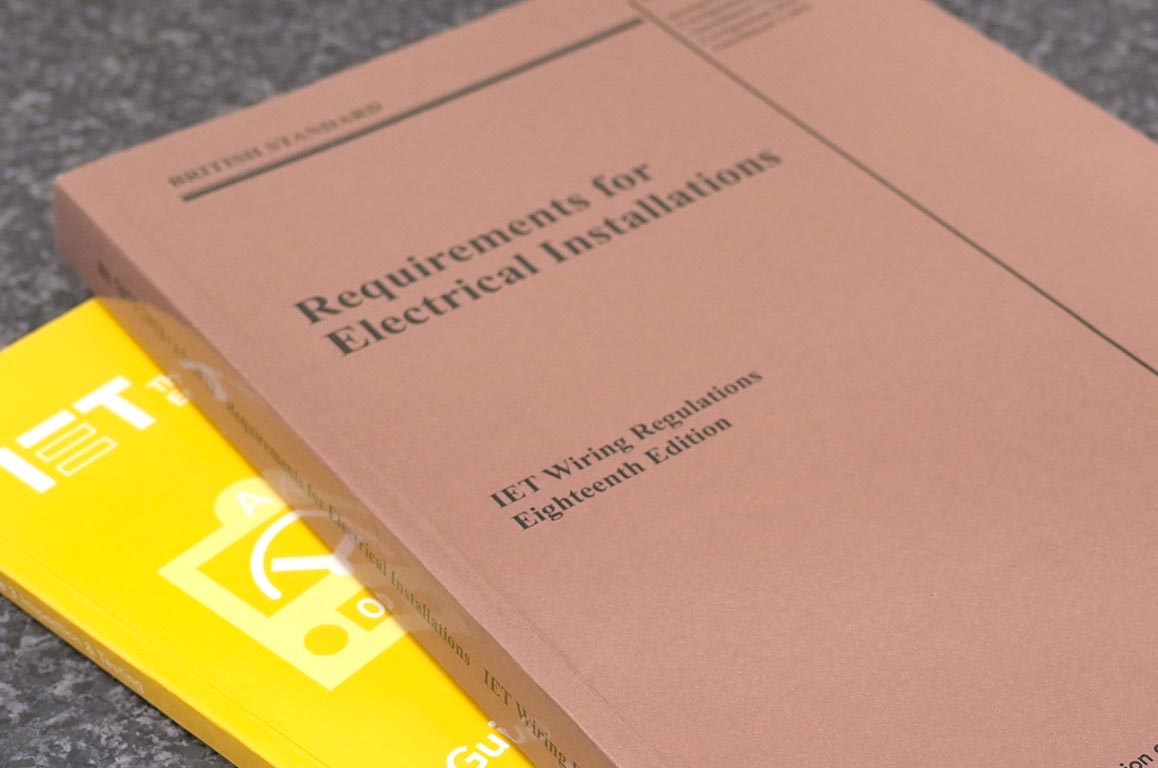 City & Guilds 2393-10 Building Regulations for Electrical Installations in Dwellings Course
£179
£214.80
View Course
Did you know we do High Voltage training?
Open up even more career opportunities with City & Guilds-accredited HV training, designed to help electricians and technicians work safely and confidently on high voltage systems.
High Voltage Courses
City & Guilds 2393-10 Building Regulations for Electrical Installations in Dwellings Course
£179
£214.80
View Course
Did you know we do High Voltage training?
Open up even more career opportunities with City & Guilds-accredited HV training, designed to help electricians and technicians work safely and confidently on high voltage systems.
High Voltage Courses
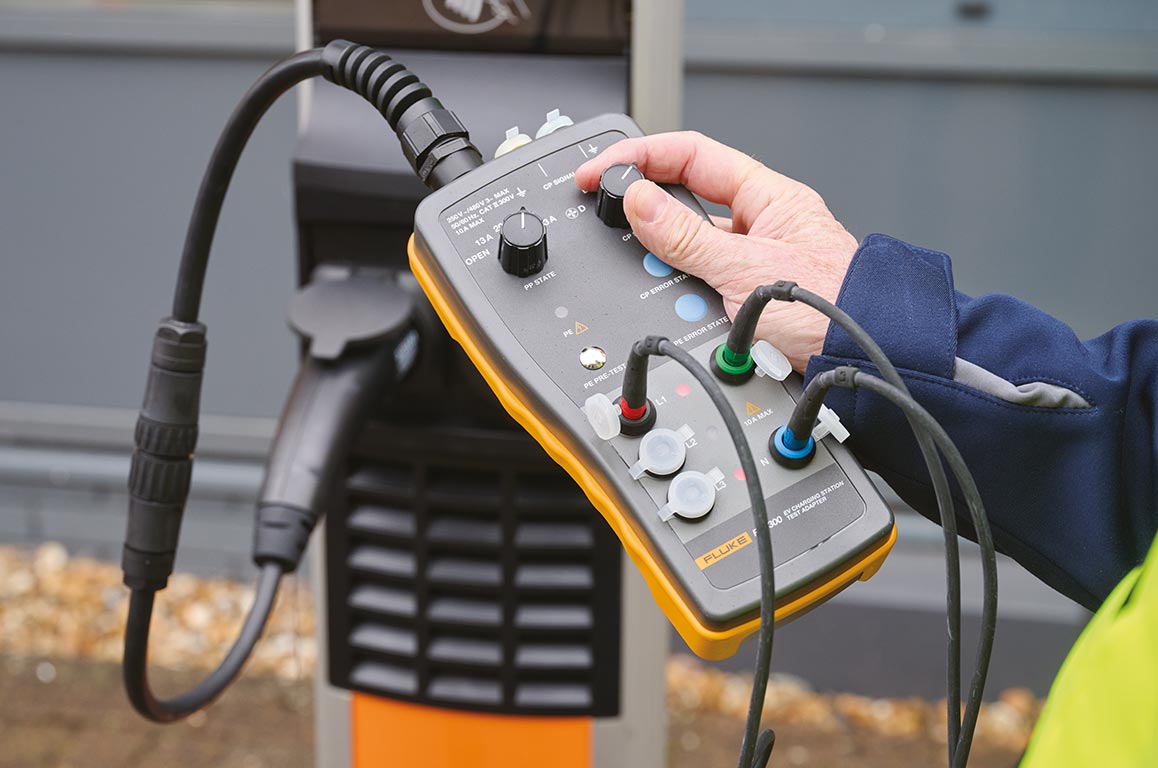 City & Guilds 2921-34 Domestic & Small Commercial EV Charging Installations Course
£499
£598.80
View Course
City & Guilds Power Quality Analysis & Mitigation Course
£495
£594
View Course
City & Guilds 2921-34 Domestic & Small Commercial EV Charging Installations Course
£499
£598.80
View Course
City & Guilds Power Quality Analysis & Mitigation Course
£495
£594
View Course

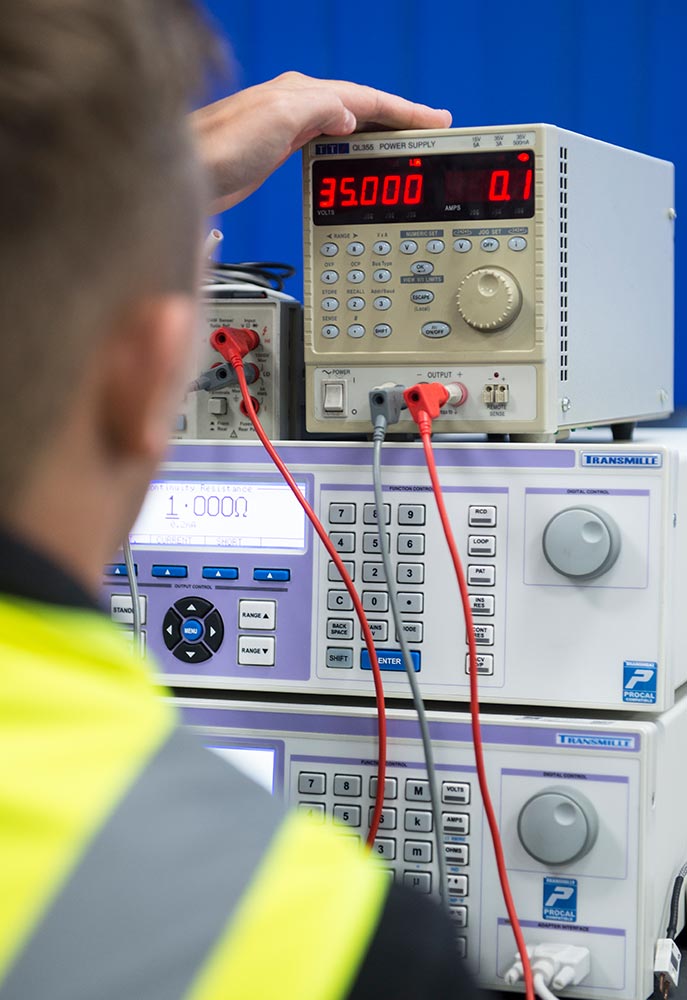 We Can Calibrate Your Electrical Test Equipment
Professional calibration services to keep your instruments accurate, safe, and compliant – from PAT testers to MFTs and more.
More Info
We Can Calibrate Your Electrical Test Equipment
Professional calibration services to keep your instruments accurate, safe, and compliant – from PAT testers to MFTs and more.
More Info
Whether you’re starting your career or looking for a change, there’s a pathway to becoming a qualified electrician at any age. Once qualified, you can expand your skills into specialisms such as 18th Edition Wiring Regulations or high voltage. PASS Ltd offers a wide range of City & Guilds training courses to help you take the next step.
Electrician Training Routes
1. Apprenticeship
Typically 3–4 years, allowing you to earn while you learn and gain hands-on experience. Suitable for all ages.
2. Diploma & NVQ
Frontloaded with theory, these courses take 2–3 years and are ideal for adult learners and career changers.
3. Full-Time Education
For learners aged 14–19, full-time courses provide the knowledge and practical skills to start as a trainee or apprentice.
4. Experienced Worker Assessment (EWA)
For electricians with 3–5+ years’ experience, EWAs assess competence against UK standards and usually take 6–18 months to complete.
To find out more about the steps you need to take, check out our full guide on how to become an electrician.
Fast‑track courses are a great option if you want to gain electrical qualifications without taking extended time off work. They allow you to focus on the essential theory and practical skills in a condensed format, helping you quickly build your knowledge and confidence. Fast‑track courses are ideal for busy professionals or anyone looking to upskill efficiently and start applying their skills sooner.
There are several competent person schemes across the UK, and it’s important to explore each one before deciding which best fits your career goals. Each scheme has its own specific joining requirements, which can vary considerably.
If you’re interested in registering, contact the scheme directly. Their trained advisors deal with these requests daily and can provide detailed guidance on eligibility and the application process.
Well-known and respected competent person schemes include:
- NAPIT
- ELECSA
- BSI
- STROMA
- NICEIC
Not all electrical roles require membership of a competent person scheme. Whether you join depends on your career ambitions. With the right training and experience, you can carry out both notifiable and non-notifiable work on domestic electrical properties without a scheme.
Many electricians choose to join a scheme to demonstrate competence, gain industry recognition, and enjoy the professional credibility that membership provides.
Interested in becoming an electrician? With the right training and knowledge, there’s a wide range of career paths available. From working in homes as a domestic electrical installer to managing high voltage systems, the opportunities are vast.
Here are some examples of roles you could take on as a trained electrician:
Domestic Electrical Installer
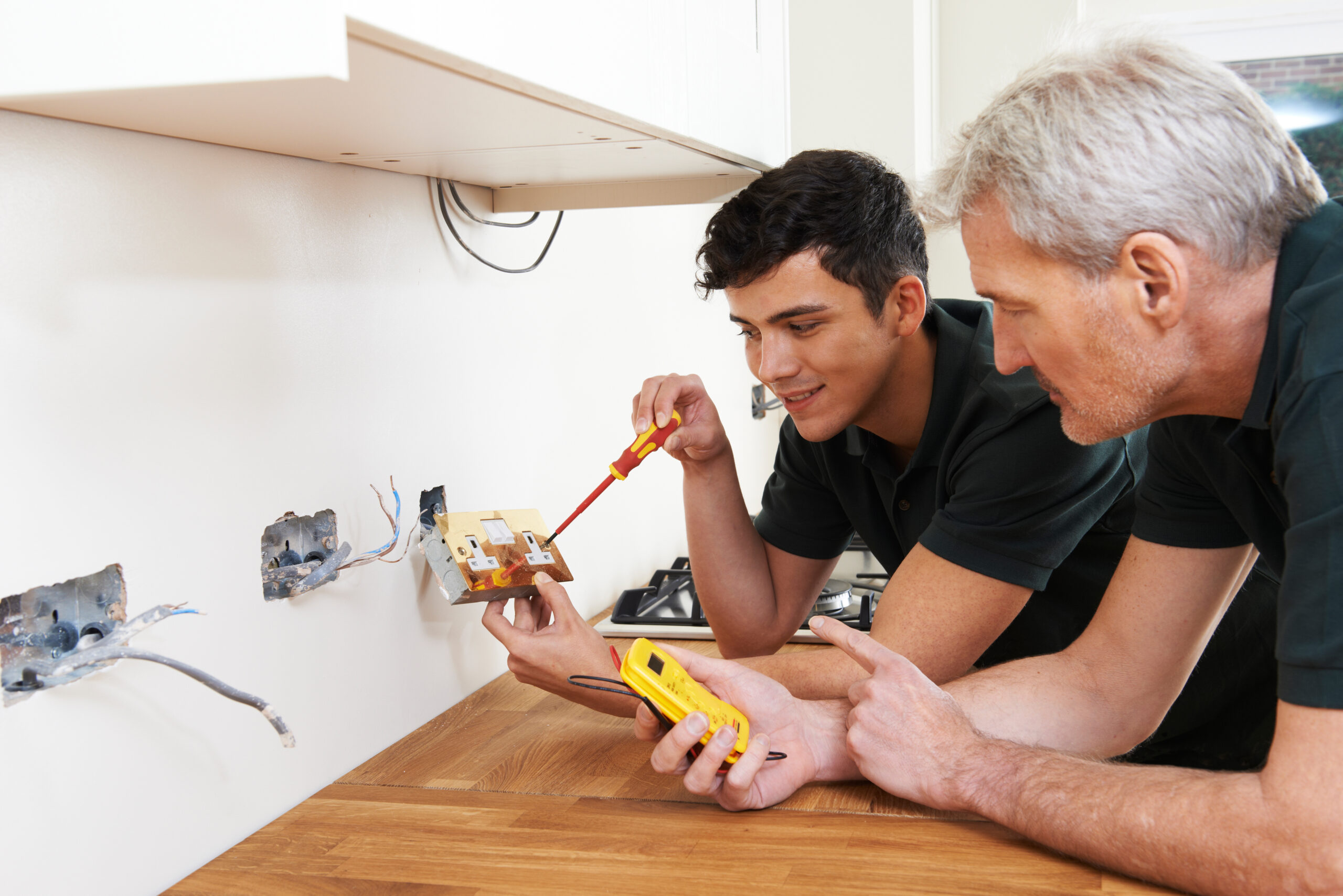
Domestic electrical installers work on homes, handling everything from simple socket repairs to full wiring installations throughout a property.
Installation Electrician
Responsible for installing systems such as lighting, security, power, fire protection, and structured cabling. Installation electricians often work on larger projects, ranging from construction sites to commercial properties.
Maintenance Electrician
Maintenance electricians keep electrical systems and equipment running safely and efficiently. This can include maintaining the power grid or repairing machinery in factories.
Electrotechnical Panel Builder
These specialists use programmable logic controllers and IT systems to build and manage electrical control panels for heating, ventilation, air conditioning, and refrigeration systems.
Instrumentation Electrician
Instrumentation electricians commission, test, troubleshoot, and repair building environmental control systems, such as large-scale air conditioning, heating, and refrigeration units.
Electrical Machine Repairer & Rewinder
These experts repair and maintain machinery such as transformers, compressors, pumps, and fans used in buildings.
Highway Electrical Systems Electrician
Responsible for maintaining street lighting and traffic management systems to ensure public safety and reliable operation.
Solar PV Installer
Install and maintain solar photovoltaic systems for homes, businesses, or industrial sites.
EV Installer
Install and maintain electric vehicle charging systems, including domestic and commercial setups.
Power Quality Specialist
Assess, monitor, and improve electrical power quality in buildings and industrial systems to ensure efficient and safe operation.
Why Choose PASS?
Experts in Electrical Courses
Our specialists support you every step of your electrical qualification.
Tutors with Years of Experience
Learn from expert instructors who help you develop your skills, confidence, and City & Guilds-recognised electrician qualifications.
Trusted by Electricians
Since 2001, we’ve supported thousands of electricians in their training across the UK.
Electrical Courses Explained
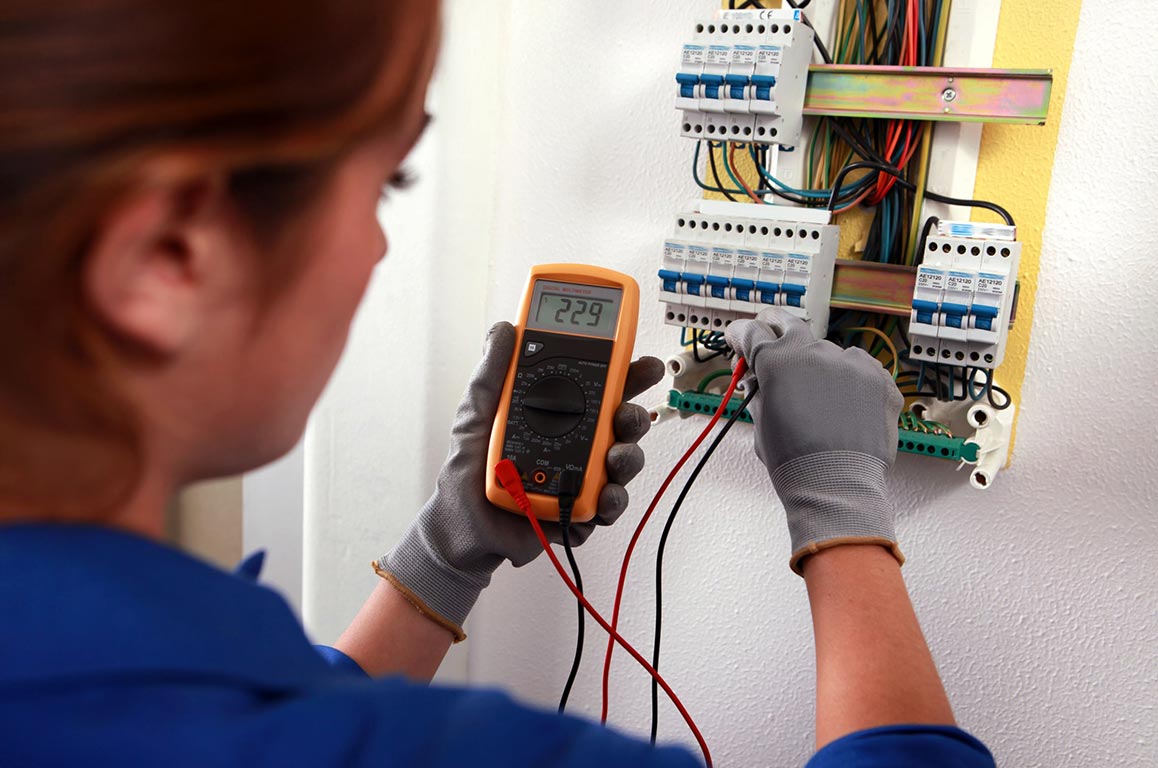
Developing strong electrical skills is essential if you work with low-voltage systems, domestic installations, or commercial and industrial environments. Whether you’re new to the industry or an experienced electrician looking to expand into specialist areas, completing recognised electrical training helps you work safely and stay fully compliant with legislation.
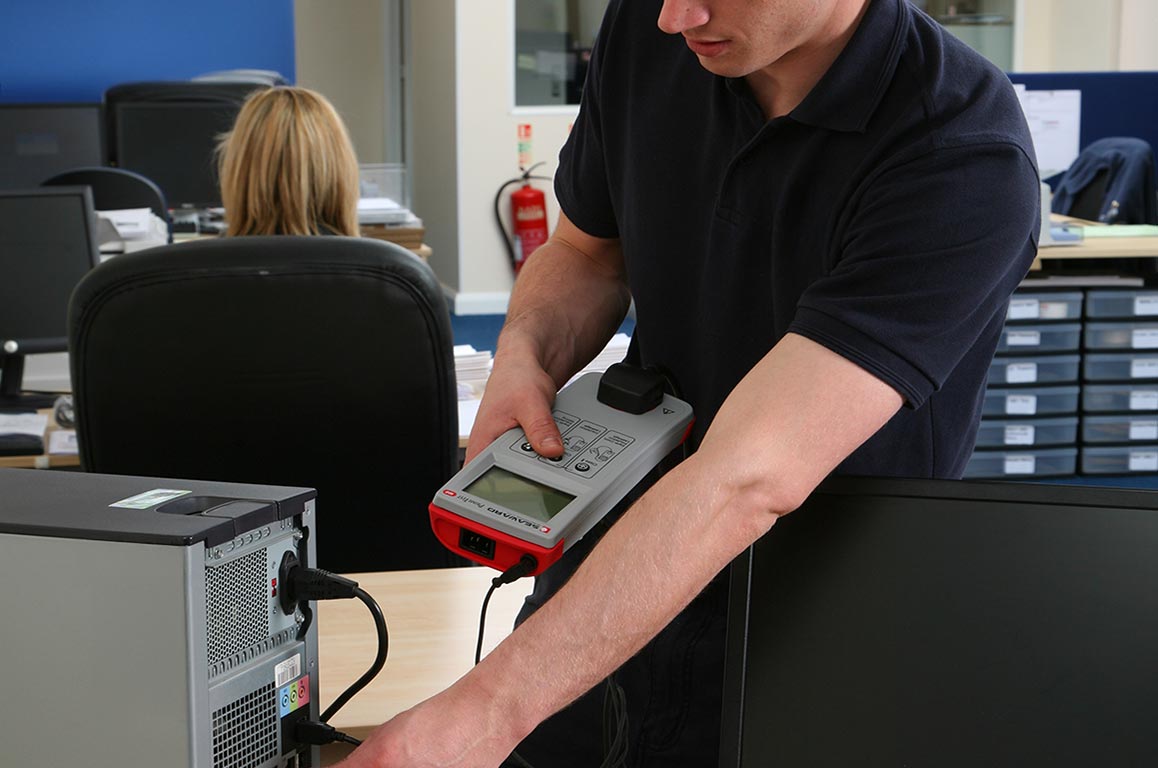
If you’re looking to add electrical skills to existing role, you can build a solid foundation with courses such as Basic Electrical Skills or Safe Isolation for Handyman, giving you the practical confidence you need. If you require the ability to test portable appliances, our PAT Testing Competency course prepares you to inspect and test electrical equipment safely and in line with workplace requirements.
When you’re a qualified electrician, you can strengthen your knowledge with industry-recognised City & Guilds wiring regulation qualifications. The 18th Edition (C&G 2382-26) is essential if you design, install, or maintain electrical systems and want to work to the latest standards. If you’re aiming to develop deeper inspection and testing expertise, the City & Guilds 2391-52 Combined Inspection & Testing qualification covers both initial verification and periodic inspection. It’s highly regarded across the industry and ideal if you want to demonstrate full competence, meet client expectations, or progress into more specialist roles.
You can also broaden your skill set with additional pathways such as EV charging and power quality programmes, opening up even more opportunities across the electrical sector.