Starting Your Journey
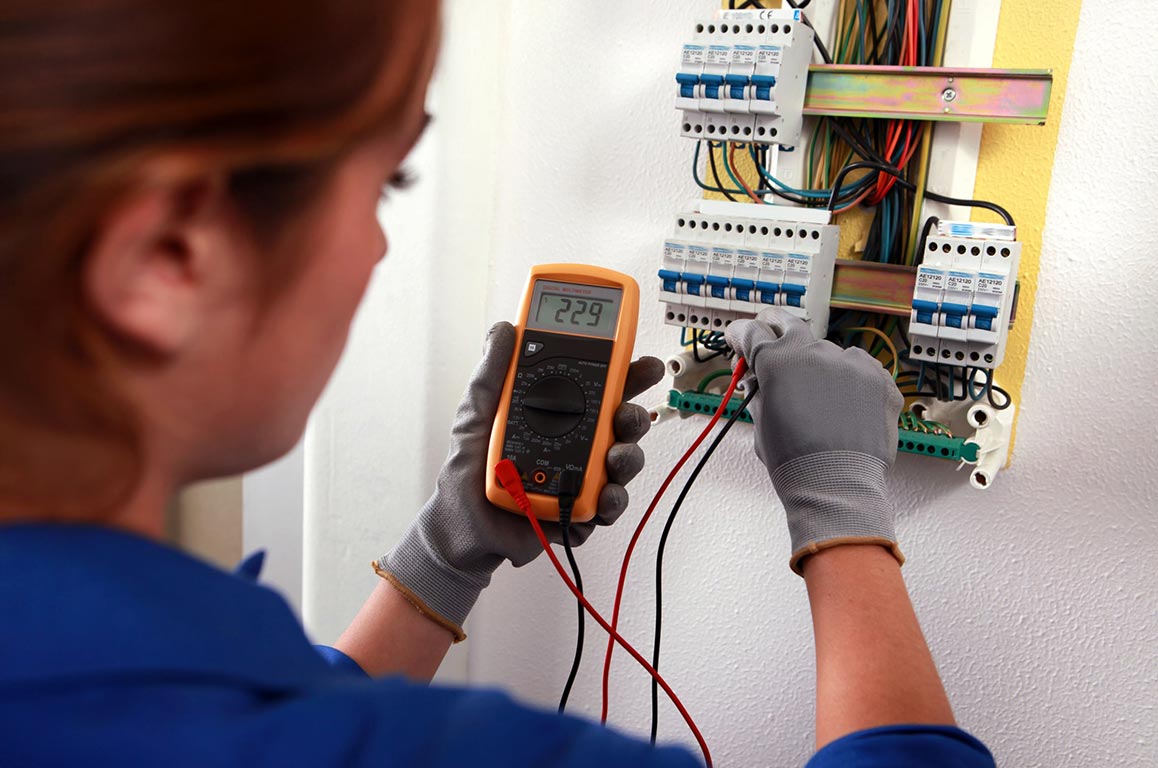
Maybe you’re at the start of your working life, or perhaps you’re looking for a career change; the path you choose is dependent entirely on your circumstances and preferences. Once qualified, you’ll have the option to expand your skillset within various specialisms, for example, 18th edition, high voltage, green/net zero energy, or domestic installation. That’s where PASS Ltd and our eclectic selection of City & Guilds training courses come in! However, before you enrol on one of our many specialist courses delivered by expert tutors with real-world on-the-tools experience, you must complete your initial training.
This article is going to help you do just that. Discover how to become an electrician at 20, 30, 40, older, younger – at any age – and we’ll look forward to seeing you at one of our specialist courses in the future.
4 Electrician Training Routes for All Ages
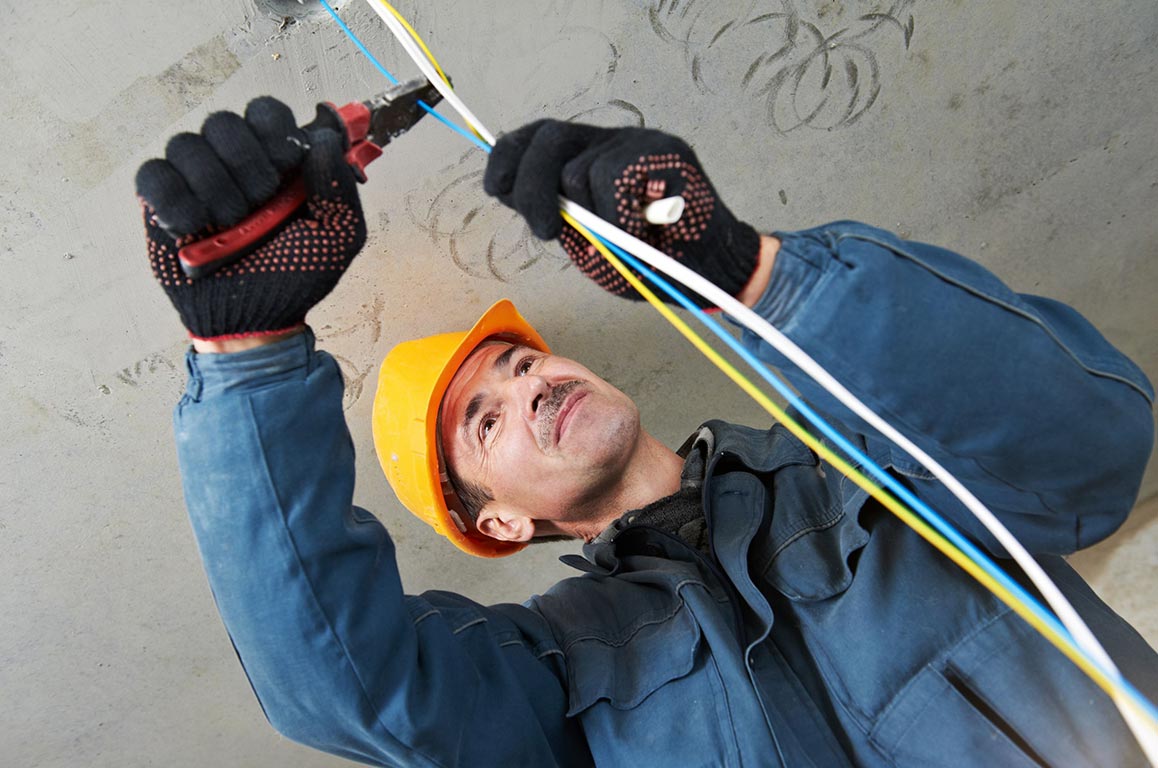
Whatever your circumstances or stage of life, there’s a pathway to becoming a qualified electrician.
Route 1 – Electrician Apprenticeship
An electrician apprenticeship takes on average 3-4 years to complete. It provides the opportunity to earn while you learn and develop skills while on the job. Contrary to popular belief, there is no upper age limit on apprenticeships.
Route 2 – Electrical Installation Diplomas & Electro-Technical NVQ
Kickstart your learning with a diploma-NVQ course. Diploma-NVQs are frontloaded with theory, allowing you to start your studies while looking for employment as an electrician, which is necessary to progress through the NVQ and attain a qualification. Taking approximately 2-3 years to complete, diploma-NVQs are popular with adult learners and career changers.
Route 3 – Full-time Education
Available specifically for young learners aged 14-19, full-time education courses allow students to build the knowledge and skills they need to secure employment as a trainee/apprentice electrician.
Route 4 – Experienced Worker Assessments (EWA)
Designed for working electricians with 3-5+ years’ experience, who haven’t had the chance to attain an equivalent recognised Level 3 vocational qualification. EWAs assess you against UK industry standards and require you to pass an accompanying assessment of competence. It takes approximately 6-18 months to complete an EWA.
There are two kinds available:
- Installation and Maintenance Electrician
- Domestic Electrician
Find Your Route to Specialist Work with PASS Training Courses
One of the incredible things about becoming a qualified electrician is that you can work in an array of sectors, including domestic, commercial, industrial, and green/renewable. This means you can craft a career that includes the work you find most interesting and rewarding. However, to do that, first you must develop the skills and knowledge needed in your specialist area. This is where we, PASS, can help.
Dictate the course of your future by enrolling in one of our City & Guilds-accredited electrical training courses.
Why Become an Electrician?
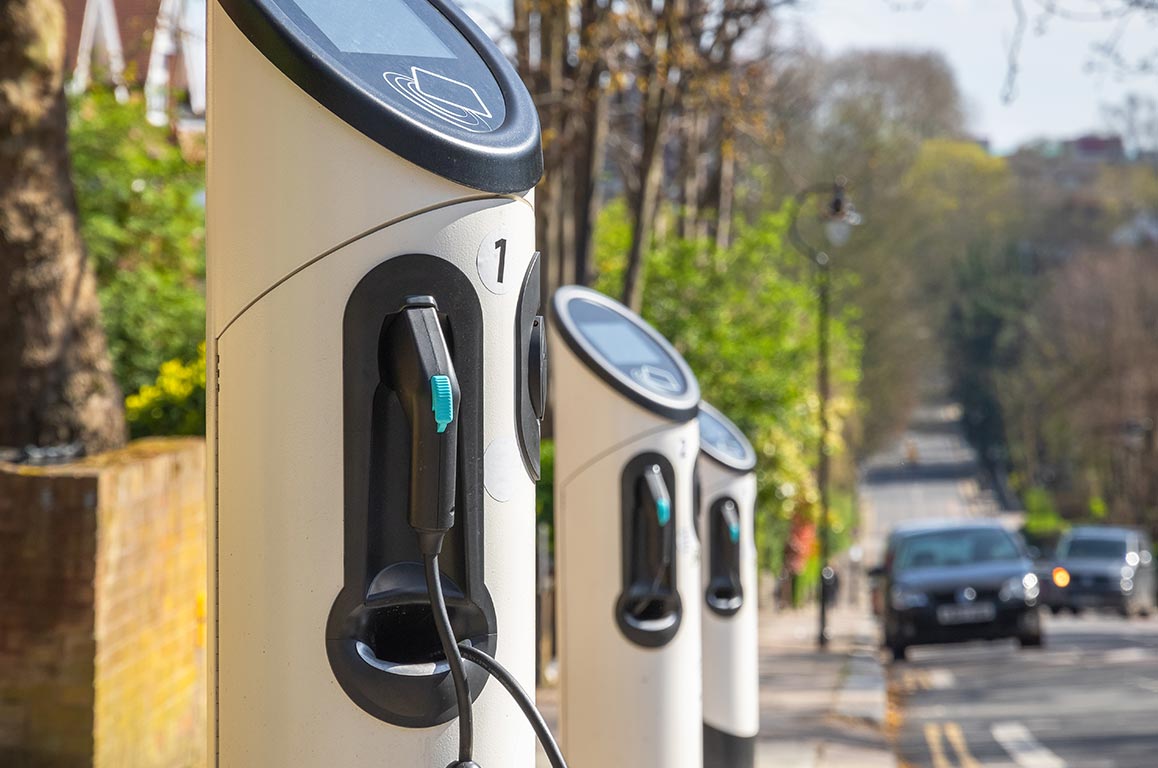
Regardless of how electricity is generated — by burning fossil fuels, capturing wind or solar energy, or through nuclear reactions — the infrastructure required to harness and distribute electricity will always be necessary. Consequently, there will always be a need for skilled individuals capable of installing, troubleshooting, maintaining, and repairing these circuits and systems. Hence, qualifying as an electrician isn’t just about gaining certification; it’s about accessing a job for life. Furthermore, this constant and increasing demand for electricians means there’s a high earning potential, often higher than the average UK wage. According to the National Careers Service, electricians can expect to work between 37 and 45 hours a week and earn between £26 000 (entry) and £45 000 (experienced) a year.
You’re already a qualified electrician – Time to upskill with an electrical training course.
How to Become a Certified Electrician in the UK
If you aspire to become a qualified UK electrician but have no experience working in the trade, there are three options open to you: working an apprenticeship, gaining a diploma, or pursuing full-time education. Your circumstances and preferences will largely dictate which avenue you take. However, regardless of which path you decide on, be aware that, to qualify as an electrician, all routes require an element of practical work and assessment.
Electrician Apprenticeship
Earn while you learn with an electrical apprenticeship. A fully funded apprenticeship allows you to develop skills on the job while also gaining knowledge through a related college or training course. Usually, electrician apprenticeships take 3-4 years to complete.
Contrary to popular belief, there are no upper age limits on apprenticeships. Generally, the only stipulations are that you must be employed in the electrical industry to enrol and have five GCSEs, including English and Maths, at grades 9 to 4 (A* to C) or equivalent.
Electrical Installation Diplomas & Electro-Technical NVQ
What if you don’t have a job lined up? Can you become an electrician without an apprenticeship?
Well, yes and no – you can certainly start your training without a job by enrolling on a diploma/NVQ course. This avenue is popular with adult learners precisely because you can start studying without a position as an electrician. Still, be aware that to progress from a Level 3 diploma to an NVQ and ultimately gain a qualification, you will need to attain employment as an electrician. This pathway tends to take 2-3 years to complete.
Aimed at adult learners and those seeking a career change, diploma-NVQs are usually self-funded. Additionally, pay attention to specific GCSE requirements, as these may vary between providers and diploma/NVQ levels.
Steps to Qualifying as an Electrician on a Diploma-NVQ Course
If you enrol on a diploma-NVQ course, you will typically complete the following steps to become a certified electrician.
Step 1 – Enrol in a Level 2 Diploma in Electrical Installations
Step 2 – Progress onto a Level 3 Diploma in Electrical Installations
Gain Employment
After step 2, you will need to gain employment in the electrical industry to continue your studies and complete assessments.
Step 3 – Start NVQ Level 3 in Electro-Technical Technology
Step 4 – Pass Assessment of Competence (AM2)
Further Electrician Training Courses
Upon passing the AM2 assessment of competence, you will be a qualified electrician eligible to apply for an ECS Gold Card as an Installation or Maintenance Engineer.
You can also choose to develop your skills within specialist areas – that’s where PASS comes in. Keep on reading to find the full list of our electrical courses you can take after becoming an electrician.
Full-Time Education for Aspiring Electricians

Available to students between the ages of 14 and 19, this path is perfect for young learners who don’t have suitable employment for an apprenticeship. Pupils eligible for full-time training generally qualify for funding and should contact their local college or training provider for details.
Enrolling on a classroom-based course at a college or training centre will teach pupils the technical knowledge and some of the practical skills they may need to secure employment as an apprentice/trainee electrician. Full-time education, typically, also offers opportunities for work experience and introductions to potential employers.
What if I’m Already an Experienced Electrician?
If you’ve been working in the electrical industry for a while but have not had the opportunity to complete an apprenticeship or attain an equivalent recognised Level 3 vocational qualification, then you can undertake an experienced worker assessment (EWA). The Electrotechnical Assessment Specification recognises an EWA and its end assessment of competence (AM2E(D)) as equivalent to an industry apprenticeship, and as meeting the criteria needed for an ECS Gold Card.
EWAs are, usually, self-funded. There are two types available, each with different eligibility and completion requirements, as outlined below. It is important to note that neither option is a shortcut to qualified status.
Installation and Maintenance Electrician EWA
The Installation and Maintenance Electrician EWA will assess you against UK industry standards. Successful completion of the Installation and Maintenance EWA, and its accompanying AM2E assessment of competence, is recognised by the Electrical Assessment Specification as equivalent to an installation and maintenance electrician apprenticeship. As such, you will meet the criteria for an ECS Installation or Maintenance Electrician Gold Card.
Eligibility Criteria:
- 5+ years’ experience in the electrical industry working across a range of electrical activities as outlined in the Skills Scan
- At least a Level 2 electrical qualification
Pass Requirements:
- Complete a Skills Scan via initial assessment
- Have an up-to-date wiring regulations qualification
- Have an Initial Verification Inspection and Testing Qualification (e.g., C&G 2391-52)
- Complete the EWA Level 3 performance units
Domestic Electrician EWA
Again, the Domestic Electrician EWA is assessed against UK industry standards. Similarly, passing the Domestic EWA, including the AM2ED assessment of competence, is considered equivalent to a domestic electrician apprenticeship by the Electrician Assessment Specification. Likewise, you’ll meet the requirements necessary for an ECS Domestic Electrician Gold Card.
Eligibility Criteria:
- 3+ years’ experience as a domestic electrician working across a range of electrical activities as outlined in the Skills Scan
- At least a Level 2 electrical qualification
Pass Requirements:
- Complete a Skills Scan via initial assessment
- Have an up-to-date wiring regulations qualification
- Have an Initial Verification Inspection and Testing Qualification (e.g., C&G 2391-52)
- Complete the EWA Level 3 performance units
PASS Training Courses
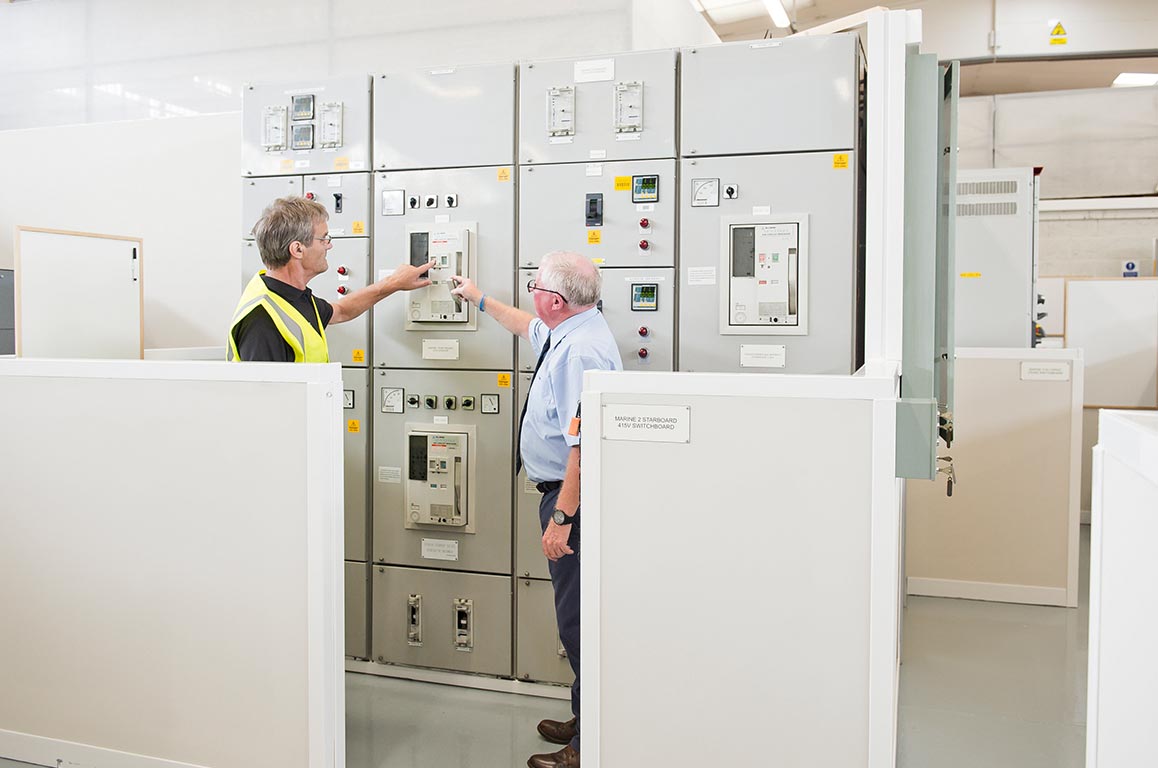
As a qualified electrician, you will be eligible to enrol on specialist and skills development courses such as those offered by PASS! We would love to see you at one of our City & Guilds-accredited courses:
- Wiring regulations (18th Edition)
- High Voltage
- Domestic electrical
- PAT testing
- Inspection and testing
- EV, renewables & power quality
Register for an electrical courses to Diversify Your Skills.
Beginner Electrician FAQs
This depends on your chosen avenue. An apprenticeship generally lasts 3-4 years, whereas a diploma-NVQ may take 2-3 years. EWAs can take anywhere from 6 months to 18 months to complete; however, you must already have 3-5+ years’ experience as an electrician.
This will vary according to industry, hours, experience, and region. However, according to the National Careers Service, electricians can expect to earn between £26 000 (entry) and £45 000 (experienced) a year. Typically, electricians work 37 to 45 hours a week.
High earning potential – increasing demand for electricians means they often earn more than the average UK wage
Job security – regardless of how electricity is generated, the infrastructure needed to harness and distribute it, whether domestic, commercial, or industrial, will always need to be installed, maintained, and repaired
Chances to specialise – there’s more than one kind of electrician (e.g. high voltage, low voltage, domestic, industrial), plus advances in green energy and a focus on attaining net zero have led to increased opportunities for electricians. As such, electricians can choose to specialise in the electrical work they find interesting and rewarding.
Opportunities to progress – experience as an electrician puts you in a great position to cultivate the career you want or to advance into adjacent industries. For example, you could progress to an electrical design engineer, become a site/project manager, set up your own business, train apprentices, or teach in further education.
Electricity and the accompanying infrastructure are used in almost every industry, from domestic to commercial to industrial. You could choose to specialise in periodic inspection and testing, electrical design, or HVAC. Alternatively, your passion might be working with green technologies such as EV chargers, solar energy, battery storage, smart homes, wind turbines, or heat pumps. Regardless, there are plenty of opportunities in numerous industries for high-voltage and low-voltage electricians.
Neither option is considered superior to the other, so this will largely depend on your circumstances. Both pathways are open to people of any age and will equip you with the same knowledge and skills; it will just depend on whether you have employment lined up or not. You must have a job as an electrician/trainee electrician to embark on the apprenticeship. However, a diploma-NVQ allows you to start your training, focusing initially on theory, without employment as an electrician, giving you more time to find a position. Be aware that to progress through the diploma-NVQ and ultimately qualify as an electrician, you must gain work experience and pass on-site assessments.
Another important point to note is that apprenticeships provide the opportunity to earn while you learn, whereas, a diploma-NVQ qualification tends to be self-funded.
You may see domestic installer courses advertised. In fact, we offer one such source. However, know that these courses do not provide a fast track to becoming a domestic electrician. These courses are designed for qualified electricians wishing to specialise in domestic installations.
This will depend on your chosen avenue. Apprenticeships, diploma-NVQ study, and Experienced Worker Assessments all equip you with the qualifications necessary to become a certified electrician.
It is worth mentioning that apprenticeships and some diploma-NVQs specify GCSE (or equivalent) entry requirements. Make sure you check the course entry requirements before enrolling.
Yes, if you undertake a diploma-NVQ. However, you will need to gain work experience to progress through the course and qualify. This pathway teaches theory first, allowing you to start your training while searching for employment.
You can certainly embark on an apprenticeship or diploma-NVQ without any experience. However, to progress and ultimately qualify, you will need work experience as an electrician.
Reaching out to reputable electricians or employers, like housing associations or builders, can be a good way to find apprentice positions.
Alternatively, when you enrol on a diploma-NVQ course, you may have access to job boards advertising relevant opportunities.
Further Information
The electrification of energy and travel means there has never been a better time to train or re-train as an electrician. So, if you’re ready for a rewarding, stable, financially secure job, don’t put off training any longer!
Still unsure about which path is right for you? Or, perhaps you’re a qualified electrician interested in diversifying your skills or honing a specialism? Then please don’t hesitate to contact our Training team.