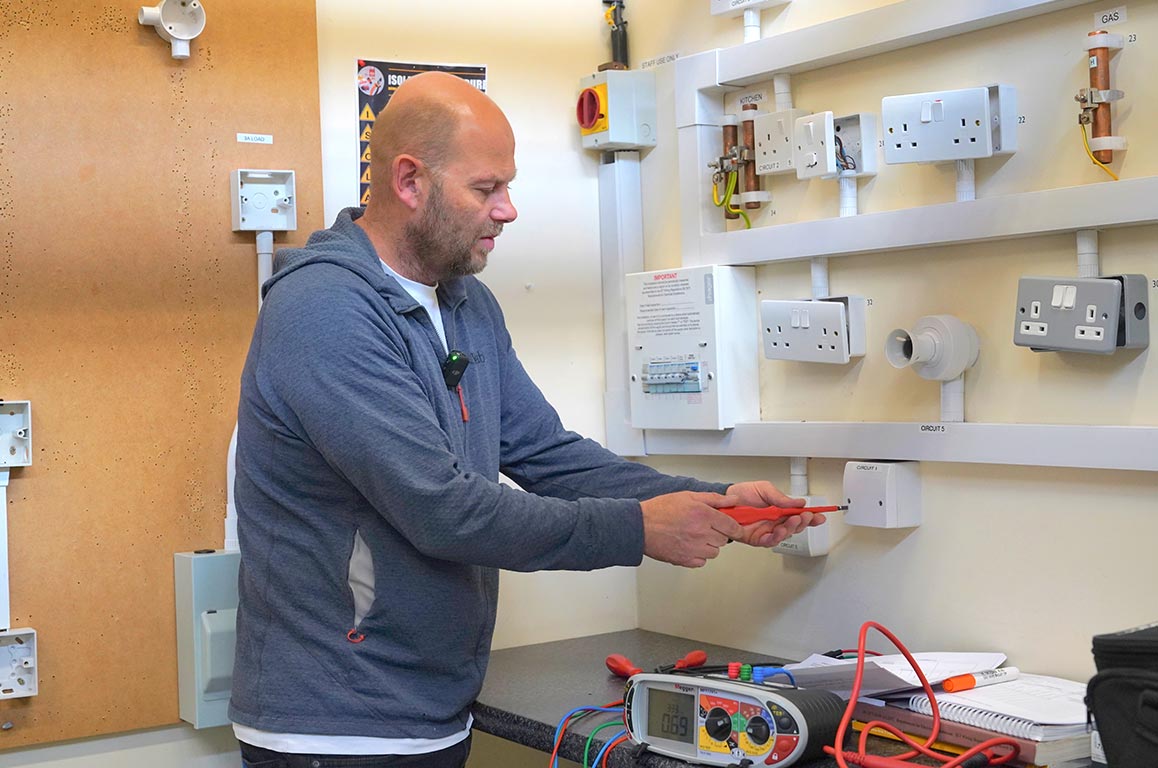
 Introduction to Inspection & Testing of Electrical Installations Course
£250
£300
View Course
Introduction to Inspection & Testing of Electrical Installations Course
£250
£300
View Course
 ★ Popular
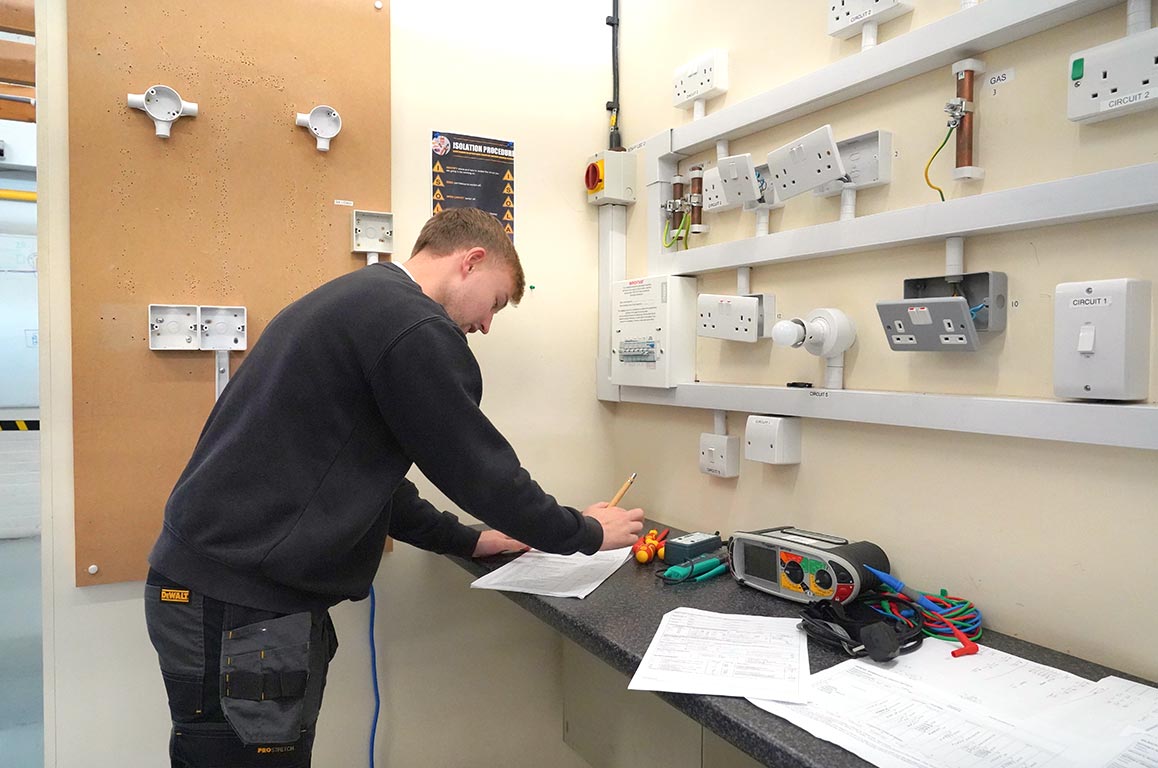 City & Guilds 2391-52 Combined Initial Verification / Periodic Inspection & Testing of Electrical Installations Course
£1100
£1320
View Course
City & Guilds 2391-52 Combined Initial Verification / Periodic Inspection & Testing of Electrical Installations Course
£1100
£1320
View Course

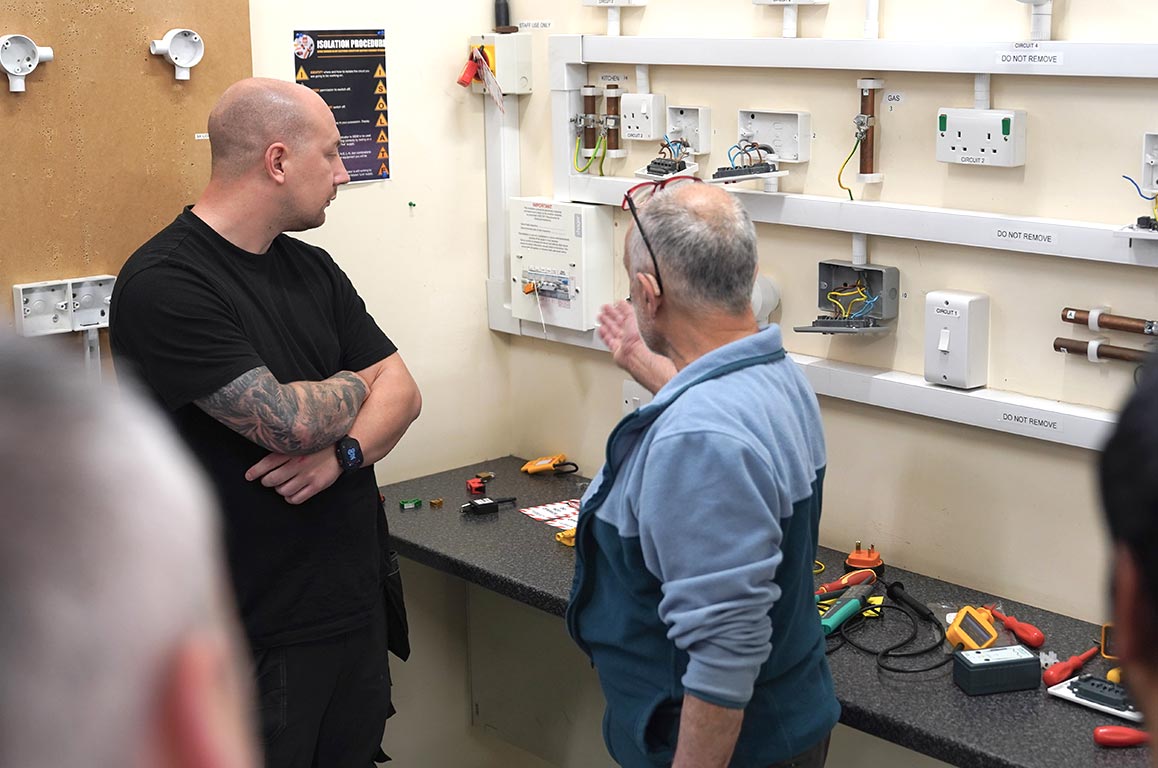 City & Guilds 2392-10 Inspection & Testing Course
£830
£996
View Course
2391 or 2392, What’s the Difference?
If you have limited experience, the 2392 (level 2) is a great starting point. For broader responsibilities and career advancement, the 2391 (level 3) is the preferred choice.
Read More
City & Guilds 2392-10 Inspection & Testing Course
£830
£996
View Course
2391 or 2392, What’s the Difference?
If you have limited experience, the 2392 (level 2) is a great starting point. For broader responsibilities and career advancement, the 2391 (level 3) is the preferred choice.
Read More
Which Inspection & Testing Course?

City & Guilds 2392-10 Course
Foundation Inspection & Testing
- Focus: Initial verification of new, single-phase electrical installations
- Award: Level 2 (entry-level)
- Ideal for: New electricians or those in related trades
- Assessment: Multiple-choice online exam and practical assessment
- Scope: Single phase, new installations only
- Suitable for EICRs?: No
- Typical Use: Ideal for domestic work or as a first step before progressing to the 2391-52 qualification
City & Guilds 2391-52 Course
Initial Verification / Periodic Inspection & Testing
- Focus: Combined initial verification and periodic inspection/testing
- Award: Level 3 (advanced)
- Ideal for: Experienced electricians
- Assessment: Written exam, online test, and practical assignment
- Scope: Single + three phase systems, new + existing installations
- Suitable for EICRs?: Yes, subject to applicable requirements
- Typical Use: Required for commercial, industrial and domestic inspection work, including work associated with EICRs and industry accreditation schemes
To take the City & Guilds 2391-52 qualification, you must be a qualified electrician with a Level 3 electrical qualification, such as City & Guilds 2365, 2357, 2330, or an equivalent like an SVQ Level 3 or ECS Gold Card. You also need a current 18th Edition (BS 7671) certificate and some experience in electrical inspection and testing.
The 2391-52 course is designed for experienced electricians to develop the skills to carry out both initial verification of new installations and periodic inspections of existing systems. It ensures candidates understand electrical science, legislation, and testing techniques required to issue certificates and keep electrical systems safe and compliant. If you’re new to inspection and testing, it’s recommended to start with an Introduction to Inspection & Testing or 2392-10 course first.
The City & Guilds 2391-52 is a Level 3 inspection and testing qualification covering both initial verification and periodic inspection and testing. It is a recognised qualification for electricians undertaking periodic inspection and testing, including EICRs, subject to the applicable competence, experience and certification requirements.
The 2392-10 is a more fundamental inspection and testing qualification and can provide a useful foundation before progressing to a higher-level inspection and testing qualification.
For the latest requirements, including the changes being introduced under the EAS from October 2026, see our guide to EICR qualification changes in 2026.
From 1 October 2026, the Electrotechnical Assessment Specification (EAS) introduces updated competence requirements for individuals undertaking or responsible for periodic inspection and testing under relevant certification or registration schemes. These include requirements around an acceptable relevant Level 3 qualification, experience and ongoing CPD.
Our EICR qualification changes in 2026 article explains what the changes mean for electricians and how the 2391-52 fits into the requirements.
The 2391-51 (available on request) and 2391-52 are recognised inspection and testing qualifications, but the EAS requirements do not state that every electrician must hold specifically a 2391 qualification. What matters is holding an acceptable relevant Level 3 qualification and meeting the applicable experience and CPD requirements.
If you’re unsure whether your existing qualifications meet the updated requirements, see our guide to EICR qualification changes in 2026.
The 2391 qualification is widely regarded as challenging, particularly due to its rigorous practical and written exams. Candidates need a strong understanding of inspection and testing, as well as the ability to apply theory under exam conditions. The practical exam can be particularly demanding, while the written exam often includes questions requiring careful reading.
Our experienced tutors are on hand to guide you through every step of the course, providing expert support, practical tips, and guidance to help you build confidence and succeed. If you are not an experienced electrician, consider taking the Introduction course or the City & Guilds 2392 first to develop the necessary skills before attempting the 2391.
Yes. The City & Guilds 2377-77 is an inspection and testing course focused on the in-service inspection and testing of electrical equipment, also known as Portable Appliance Testing (PAT). It covers both theoretical and practical aspects, including how to inspect, test, and record results for electrical appliances.
This is a Level 3 course suitable for electricians. If you are not yet qualified, consider a PAT Competency Course to gain the necessary skills before taking the 2377.
Why Choose PASS?
High 2391 & 2392 Pass Rates
These qualifications are known for being challenging, but we’ll help you succeed.
Experienced, Qualified Tutors
Learn from low-voltage specialists and gain real confidence in your skills.
Trusted Since 2001
Hundreds of electricians have trained with us for City & Guilds 2391 and 2392 — quality you can rely on.
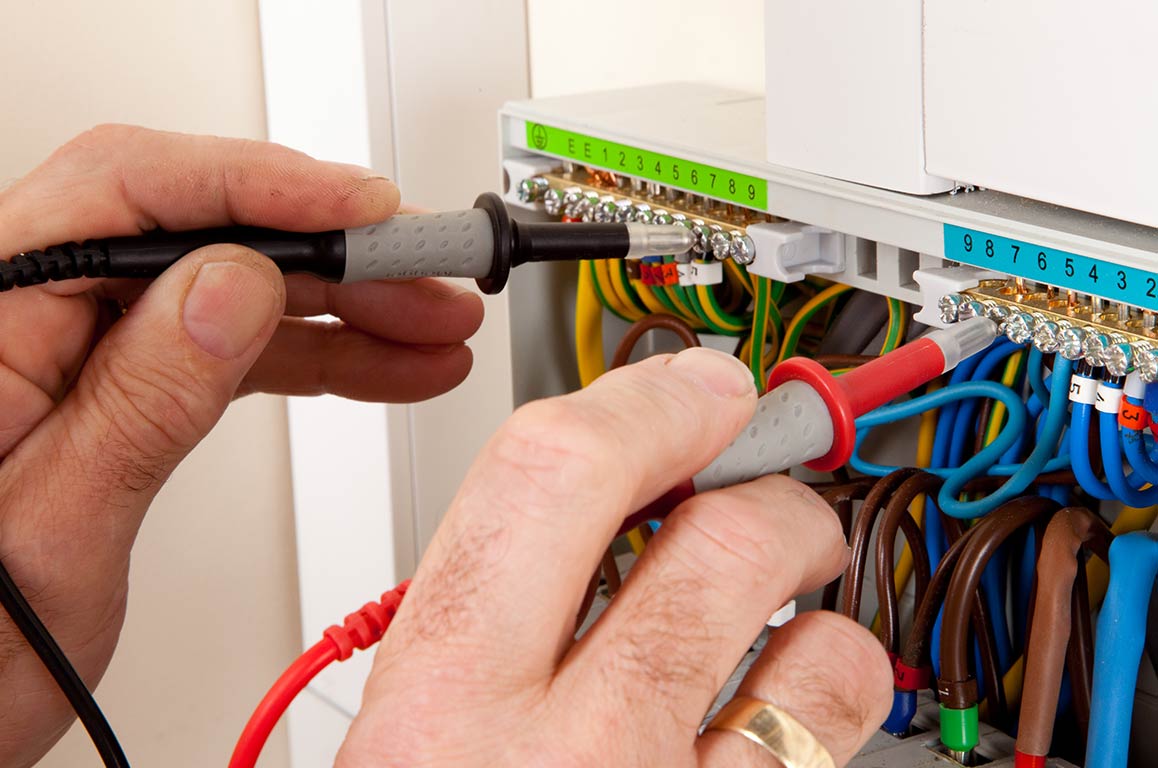
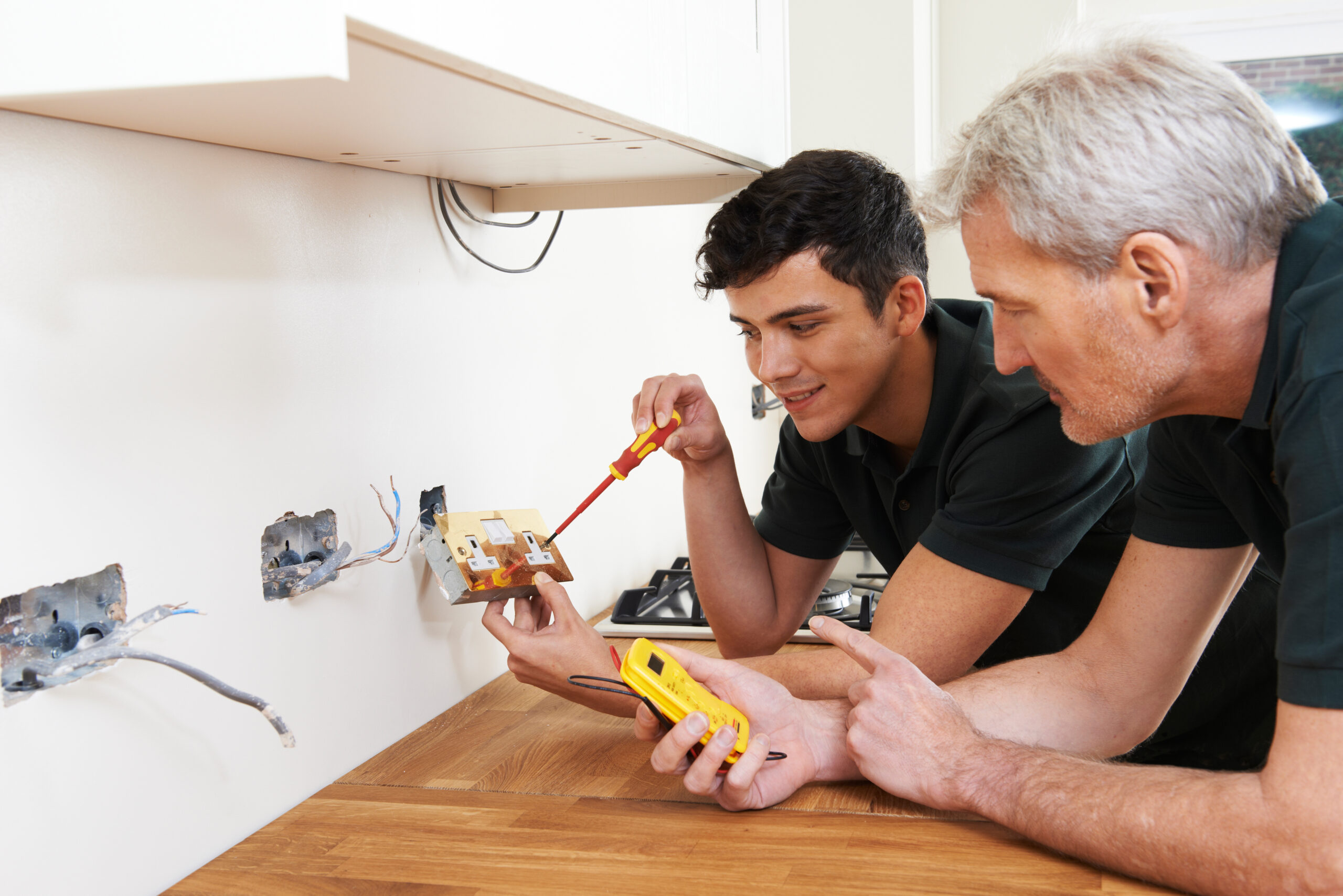
Inspection & Testing Courses Explained
Electrical inspection and testing are essential for checking the safety, condition and compliance of electrical installations across domestic, commercial and industrial settings. By combining visual inspection with appropriate testing, electricians can identify defects, assess test results and ensure installations meet the relevant requirements of BS 7671. This includes both initial verification of new or altered installations and periodic inspection and testing of existing installations.
Our Introduction to Inspection & Testing course is designed for those developing their understanding of electrical inspection and testing, while the City & Guilds 2392-10 provides a recognised qualification covering initial verification. For electricians looking to develop their inspection and testing skills further, the City & Guilds 2391-52 covers both initial verification and periodic inspection and testing.
The 2391-52 is particularly relevant to electricians who want to develop their competence in periodic inspection and testing, including work associated with EICRs. However, a qualification is only one part of demonstrating competence. Experience, ongoing CPD and the requirements of the relevant certification or registration scheme also need to be considered. With changes to the Electrotechnical Assessment Specification (EAS) coming into effect from October 2026, electricians carrying out or responsible for periodic inspection and testing should make sure they understand the requirements that apply to them.
For more information, see our guide to EICR qualification changes in 2026, including the requirements around qualifications, experience and CPD.