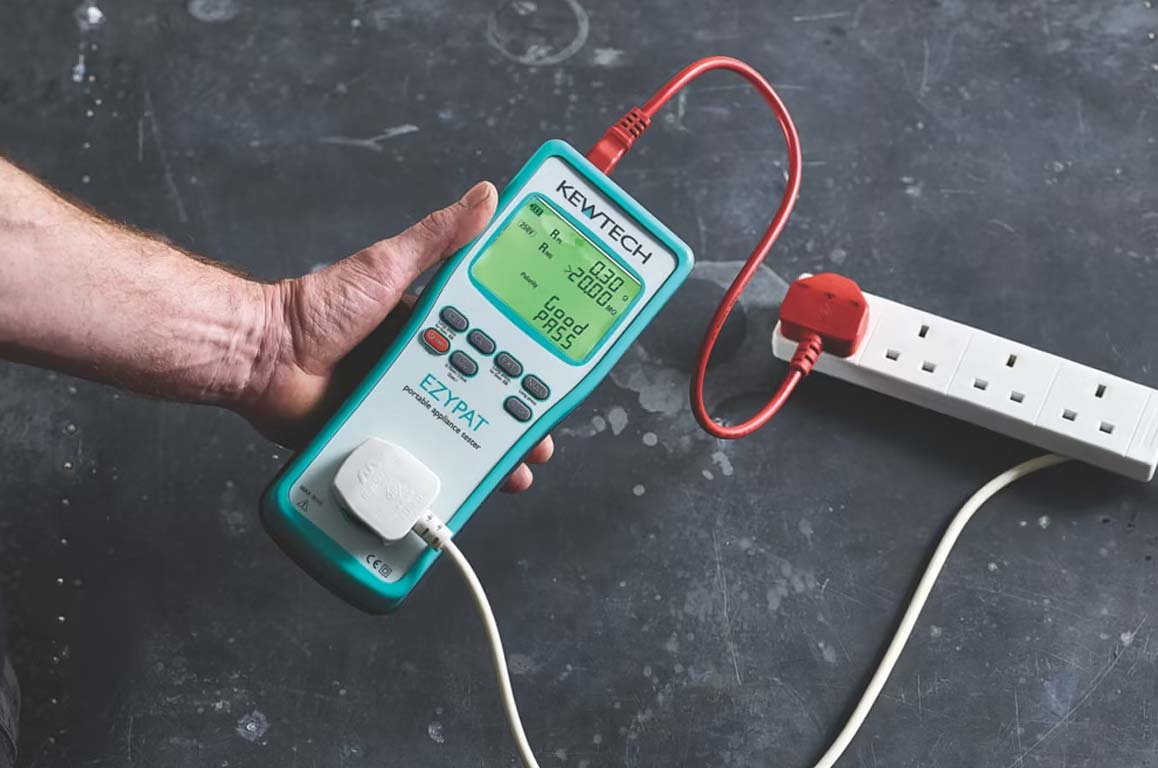
Understanding PAT Testers
PAT testers are used as part of the wider process of In-Service Inspection and Testing of Electrical Equipment. They range from very simple pass/fail devices through to advanced systems used for large-scale compliance and asset management.
Rather than strict technical categories, PAT testers are best understood by their capability, cost, and the volume of testing they are expected to handle.
Key Considerations When Choosing a PAT Tester
Before choosing a PAT tester, it is important to consider how it will be used in practice. The most suitable device depends on how results will be recorded, how many items are tested, and the level of investment required.
Record Keeping Method
One of the most important decisions is how test results will be stored and managed.
Manual PAT testers rely on paper-based systems or logbooks. Results are written down by hand after each test. This approach is common in low-volume environments where simplicity and cost control are more important than automated reporting.
Downloadable PAT testers store results internally and allow data to be transferred to a computer. This enables digital record keeping, reporting, and asset tracking, and is typically used in larger organisations or where formal audit trails are required.
In general, manual systems are more affordable but require more administrative effort, while downloadable systems reduce paperwork and improve efficiency in larger testing programmes.
Cost
Cost is often a key factor when selecting a PAT tester.
PASS / FAIL checkers and basic testers are generally the most affordable options, making them suitable for small organisations or limited testing requirements.
Professional downloadable systems are more expensive, but this reflects their ability to store data, generate reports, and integrate with barcode and asset management systems.
Volume of Testing
The number of appliances being tested has a direct impact on the most suitable type of equipment.
For low-volume testing, manual recording methods are usually sufficient, as the administrative workload remains manageable.
For medium to high-volume environments, downloadable systems become more valuable because they significantly reduce the time spent recording, organising, and retrieving test results.
In large organisations or contractor environments, automated data handling and reporting are often essential to maintain efficiency and traceability.
Types of PAT Tester
After reviewing your intended use, the next step is to understand the different types of PAT testers available and how they differ in capability.
PASS / FAIL PAT Checkers
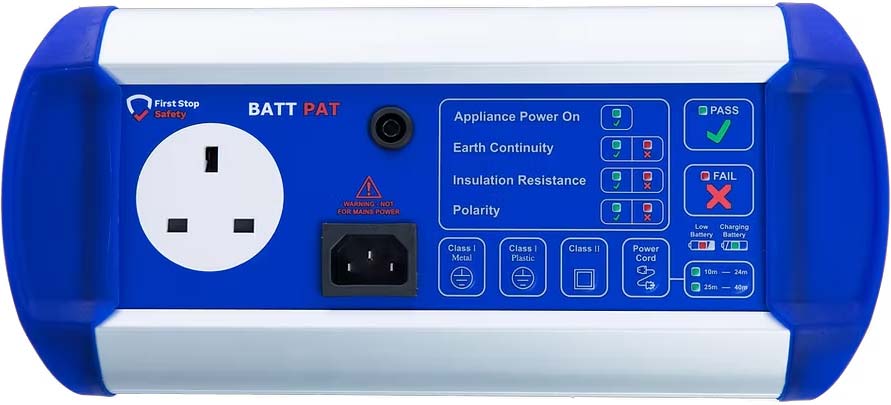
These are the most basic type of PAT testing device and provide a simple pass or fail result with no detailed measurement data.
They are often used for quick safety checks where formal test records are not required or where equipment is not part of a strict scheduled testing programme.
For example, they may be used in environments such as charity shops or small organisations where donated or incoming equipment needs a basic safety check before use.
Key Features
- Simple pass/fail result only
- Very quick to use
- Minimal training required
Record Keeping
Results are typically recorded manually using logbooks or inspection sheets. These devices do not usually store data.
Basic PAT Testers
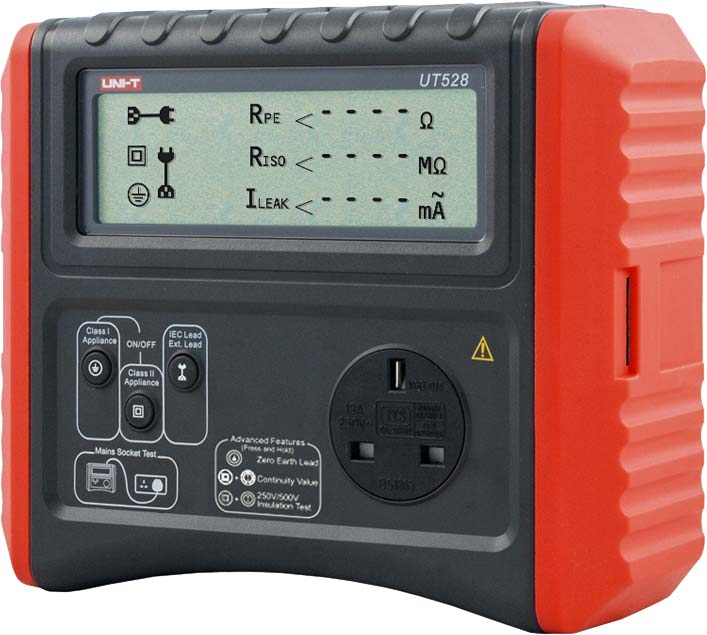
Basic PAT testers provide both pass/fail results and measured test values such as earth continuity and insulation resistance.
They are suitable for low to medium volume environments where more information is needed than a simple checker can provide, but full data management is not required.
Key Features
- Displays test readings and pass/fail results
- Suitable for general workplace environments
- Good balance between cost and functionality
Record Keeping
Most basic testers still rely on manual record keeping or simple logbooks, although some may offer limited internal storage.
Professional PAT Testers
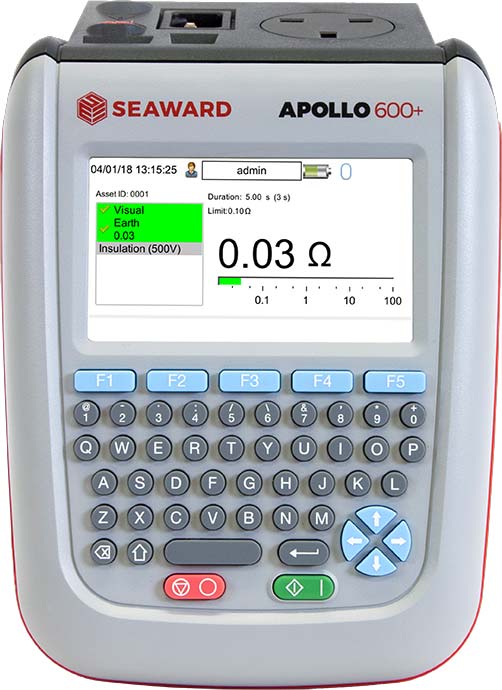
Professional PAT testers are designed for high-volume testing environments where full traceability, reporting, and asset management are required.
They typically include advanced features such as internal memory, automated reporting, and integration with software systems.
Key Features
- Full control over test functions and results
- Internal memory for storing test data
- Software integration for reporting and compliance
Advanced Connectivity
Many professional testers can connect to barcode scanners and label printers. This allows asset labels to be scanned, results recorded automatically, and compliance labels printed immediately after testing.
Comparison of PAT Tester Types
| Type | Typical Use | Level of Detail | Record Keeping |
|---|---|---|---|
| PASS / FAIL Checkers | Low formal testing, ad-hoc checks, incoming equipment | Basic pass/fail only | Manual logbooks |
| Basic PAT Testers | Small to medium workplaces | Measured results + pass/fail | Mainly manual records |
| Professional PAT Testers | Large organisations, compliance environments | Full test data and diagnostics | Digital storage and reporting software |
Where to Buy PAT Testers
PAT testers can be purchased directly from us, offering a wide range of equipment suitable for all levels of testing, from basic entry-level devices through to advanced professional systems with data storage and reporting capabilities.
We can also help you identify the most suitable PAT tester for your specific use and application, and recommend the best option based on your testing requirements and environment.
You can view our full range of PAT testers on our equipment website www.tester.co.uk.
Conclusion
PAT testers vary mainly in cost, capability, and how they manage test records.
PASS / FAIL checkers are suited to simple, low-volume or ad-hoc checks. Basic testers provide more detailed results for general workplace use, while professional testers are designed for high-volume environments where digital record keeping and asset management are required.
Choosing the right tester depends less on the equipment itself and more on how many items need testing and how formal the record-keeping requirements are.