Understanding Who Carries Out PAT Testing
A common question in electrical safety management is who is responsible for carrying out in-service inspection and testing of electrical equipment.
This work does not have to be carried out by a qualified electrician. However, it must be carried out by a competent person who has the appropriate knowledge, training, and experience to perform the work safely and correctly.
The requirement for competence is central to electrical safety management and is reflected in the IET Code of Practice for In-Service Inspection and Testing of Electrical Equipment (5th Edition).
What Is a Competent Person?
A competent person is someone who has sufficient knowledge, training, and experience to carry out PAT testing of electrical equipment safely and correctly.
This includes the ability to:
- Understand basic electrical principles relevant to the equipment being tested
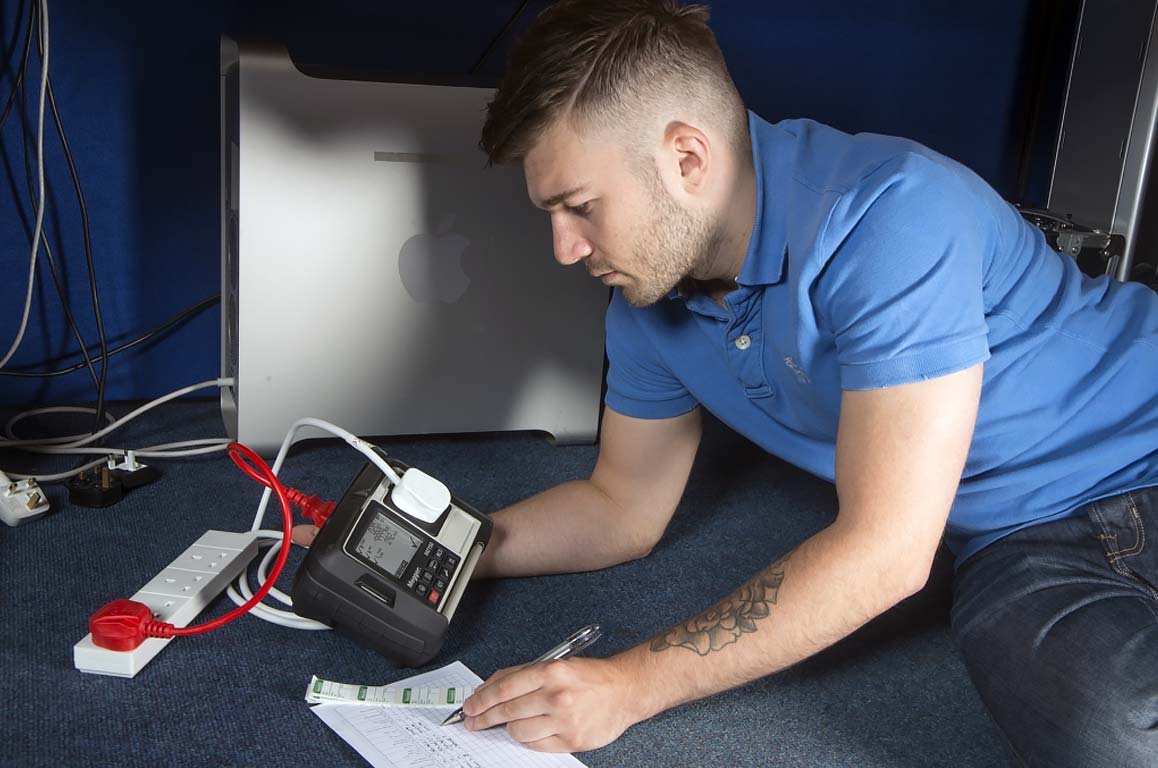
- Use inspection and test equipment correctly
- Recognise signs of damage, deterioration, or unsafe condition
- Interpret test results accurately
- Decide whether equipment is safe for continued use
Competence is not defined by job title or whether someone is a qualified electrician. It is based on the ability to carry out the work safely and correctly in practice.
Options Available
Organisations can choose how PAT testing is carried out based on their resources, the amount of equipment they manage, and the level of control they require.
Carry out the work internally
Some organisations carry out inspection and testing in-house.
This can be a cost-effective option and provides greater control over ongoing equipment safety.
However, it requires:
- A competent person to carry out inspection and testing
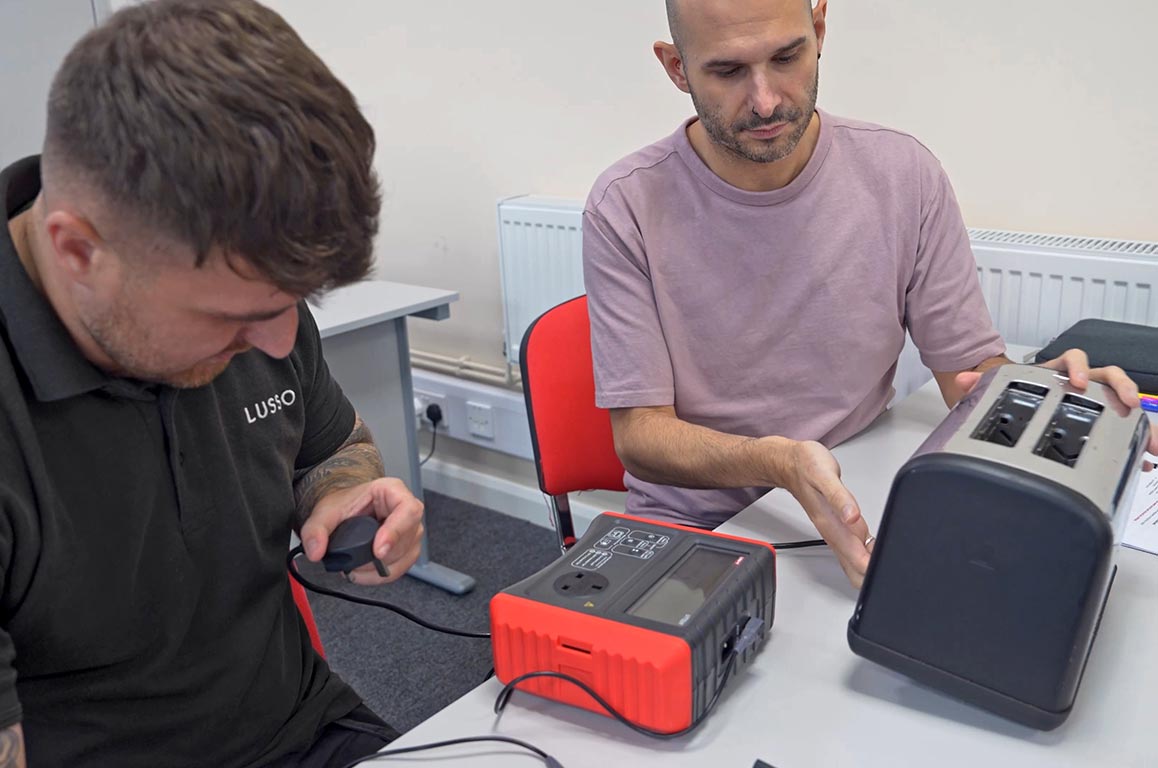
- Appropriate PAT testing training to ensure safe and accurate testing
- Suitable PAT testing equipment
- Time allocated for staff to carry out the work
Outsource to a PAT testing provider
Many organisations choose to outsource PAT testing to an external provider. This can be practical where there is a large amount of equipment or limited internal resource.
When using an external provider, it is important to ensure that:
- The person carrying out the work is competent and appropriately trained
- Inspection and testing is actually being carried out, not just administrative recording
- Results are properly recorded and documented
- The approach is based on risk assessment rather than fixed assumptions about testing intervals
Combined approach
Many organisations use a combination of internal and external resources.
For example, external providers may carry out formal inspection and testing at suitable intervals, while internal staff carry out basic visual checks and report defects between formal inspections.
A trained and competent person within the organisation may also be responsible for inspecting and, where appropriate, testing new equipment brought into the workplace before it is put into use.
This helps ensure that equipment is safe from the point it enters service, as well as throughout its use.
Keeping Track of Equipment
Maintaining an accurate record of electrical equipment is an important part of any PAT testing programme.
This helps ensure that all equipment is identified, assessed, and included within the appropriate maintenance regime.
Records should include equipment details, inspection dates, test results where applicable, and any actions taken.
PAT Testing Training


Conclusion
In-service inspection and testing of electrical equipment does not need to be carried out by a qualified electrician, but it must be completed by a competent person with the appropriate knowledge, training, and experience.
Organisations can choose to carry out testing internally, outsource it to an external provider, or use a combination of both approaches, depending on resources, equipment, and operational needs.
Whichever approach is used, the key requirement is that PAT testing is carried out properly, recorded accurately, and based on the condition and risk associated with the equipment rather than fixed time intervals alone.