Understanding Electrical Equipment Maintenance
In the context of in-service inspection and testing of electrical equipment, the scope is not limited to “portable appliances”.
Modern guidance, including that published by the Institution of Engineering and Technology (IET), focuses on electrical equipment that is supplied from an electrical installation and which may present a risk if it deteriorates or becomes damaged during use.
Electrical equipment is broadly understood to include any item involved in the generation, conversion, transmission, distribution or use of electrical energy, highlighting that maintenance is not limited to traditional plug-in appliances.
What Exactly Needs to Be Maintained?
Under the principles set out in the IET Code of Practice for In-Service Inspection and Testing of Electrical Equipment (5th Edition), electrical equipment should be maintained in a condition that ensures it remains safe for continued use.
This aligns with the legal requirement set out in the Electricity at Work Regulations 1989, which state that “electrical equipment shall be maintained so as to prevent danger.”
This applies to equipment that is liable to damage, wear, misuse, or environmental stress during normal operation.
Rather than relying on fixed definitions or categories, modern practice is based on risk assessment and the actual conditions in which the equipment is used.
Typical Equipment Included
In practice, this may include a wide range of electrical equipment, depending on the working environment and level of risk.
Common examples include:
- Plug-in appliances used in offices and workplaces
- IT equipment such as computers, monitors, and printers
- Extension leads and portable distribution equipment
- Hand-held tools used in higher-risk environments
- Equipment used in harsh or industrial conditions
- Certain fixed or permanently connected equipment where in-service risk has been identified
The key principle is that equipment should not be excluded simply because it is not traditionally considered “portable”.
Read more about what electrical appliances need PAT testing.
Who Is Responsible for Electrical Equipment Maintenance?
The overall legal responsibility for electrical equipment safety rests with the duty holder, typically the employer or organisation in control of the workplace.
Under the Electricity at Work Regulations 1989, the duty holder must ensure that electrical equipment is maintained so as to prevent danger.
However, responsibility in practice is shared across several roles within an organisation, such as:
- Duty holder (employer / organisation): Has overall legal responsibility for ensuring suitable systems are in place for the maintenance of electrical equipment.
- Users of electrical equipment: Have a duty of care to use equipment safely and report any visible damage, defects, or unsafe condition during normal use. They are not responsible for formal inspection or testing.
- Managers / administrators: Responsible for ensuring appropriate systems are in place for inspection, testing, and ongoing electrical safety management within the organisation.
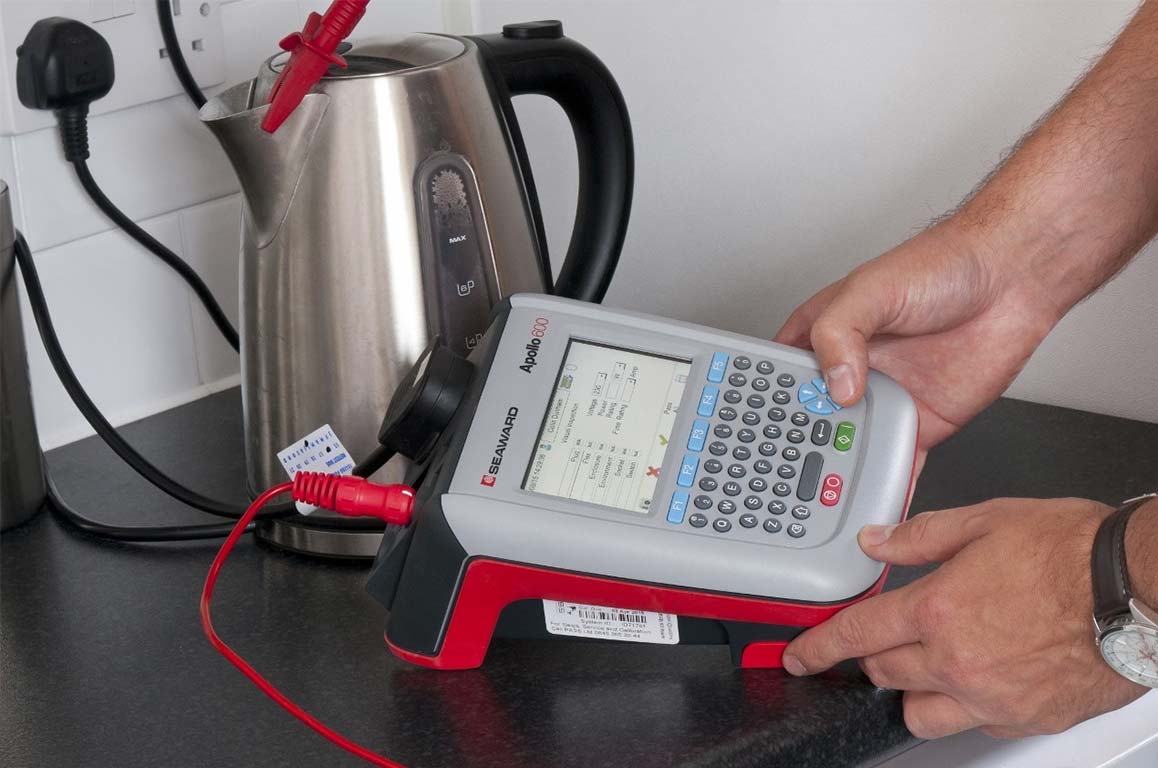
- Competent person: Responsible for carrying out formal in-service inspection and testing, interpreting results, and determining whether equipment is safe for continued use. This role requires appropriate knowledge, training, and experience.
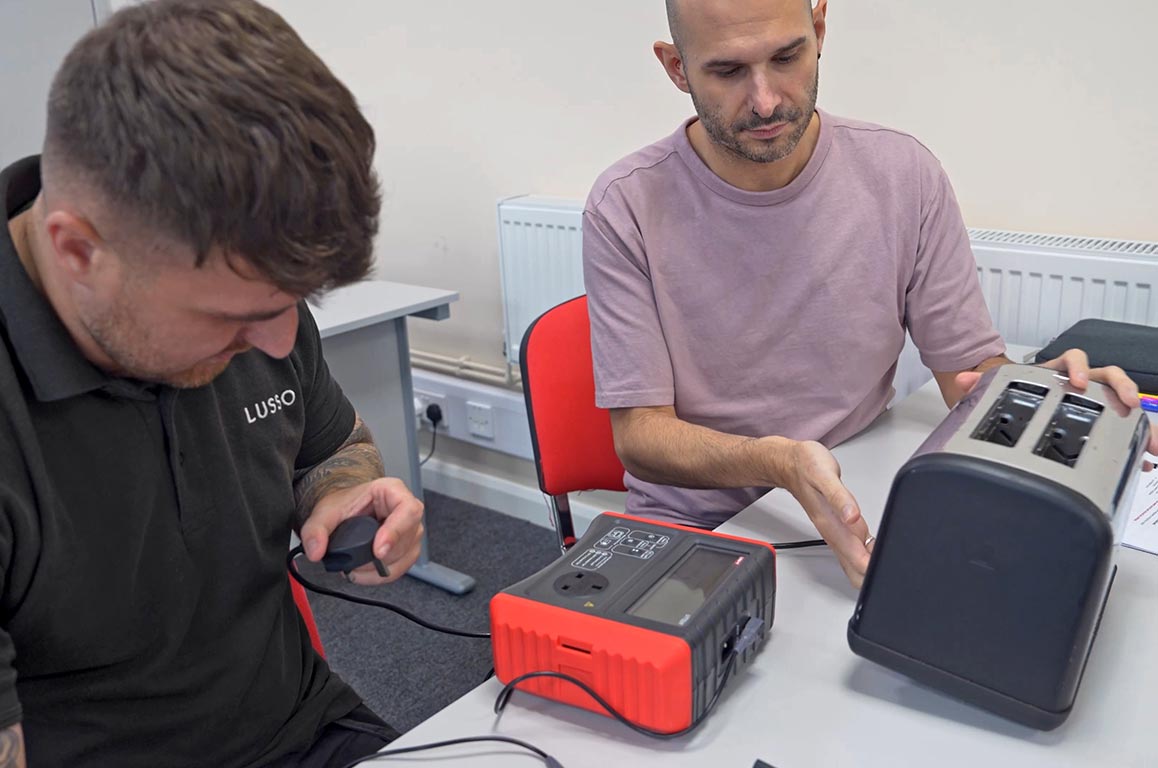
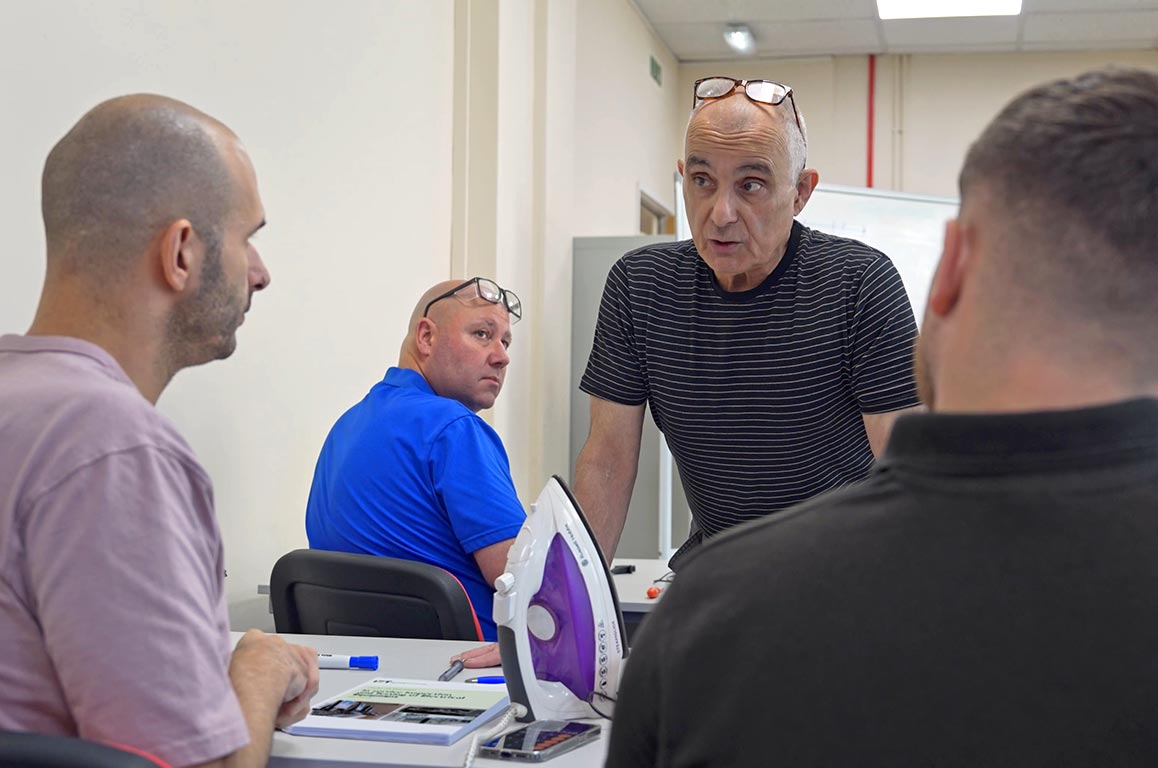
Competent Person PAT Training


Conclusion
Electrical equipment maintenance applies to any equipment that may present a risk due to damage, deterioration, or use in service.
Modern guidance from the IET adopts a risk-based approach rather than relying on outdated definitions or classifications, ensuring that equipment is maintained according to how it is actually used.
Responsibility is shared between users, management, and competent persons, with overall accountability resting with the duty holder.