
City & Guilds HVTC3 High Voltage Cable Spiking & Identification Course
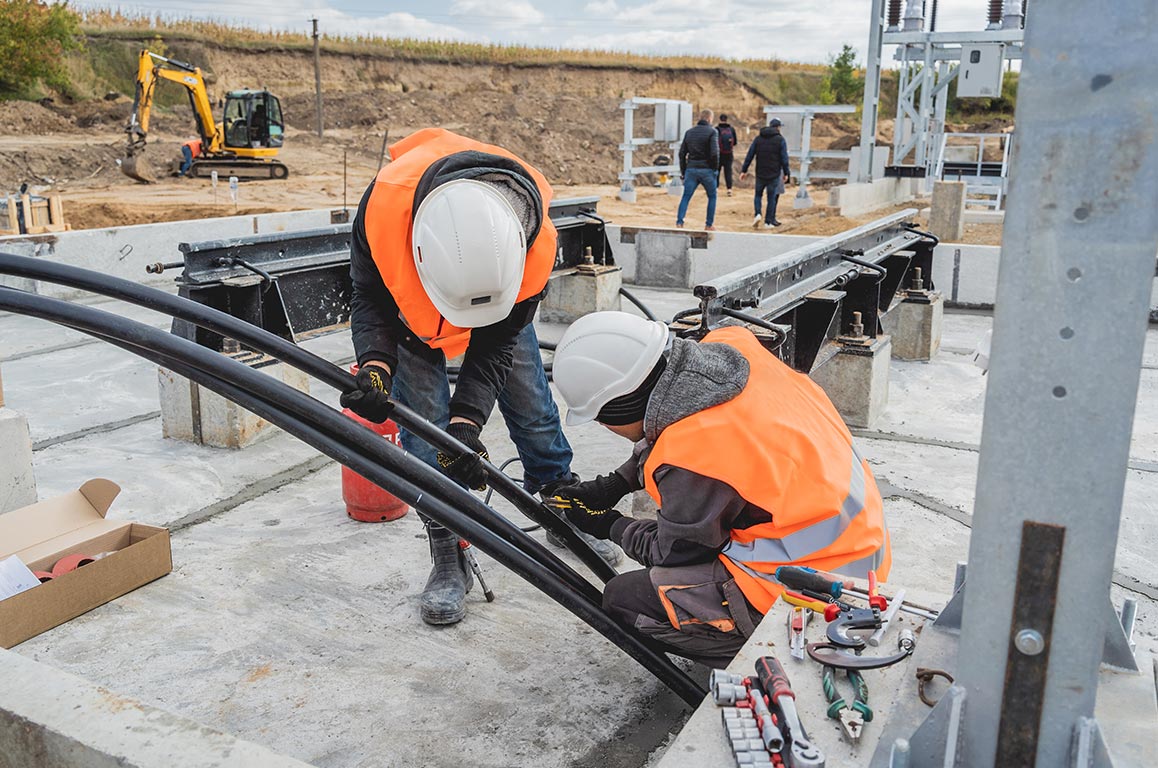
The City & Guilds HVTC3 High Voltage Cable Spiking & Cable Identification Course is specifically designed for electricians, cable jointers, and engineers working in high voltage environments who need to identify and spike underground high voltage cables. This training aligns with the latest industry standards and safety regulations, providing the essential knowledge to work safely and accurately on live or de-energised cables.
Whether you’re operating on power distribution networks or involved in high voltage maintenance, this course equips you with the practical skills to identify cables, apply spiking techniques, and reduce risks during excavation or jointing work.
Why enrol on the City & Guilds HVTC3 qualification?
Completing the HVTC3 course is a vital step for anyone working with or near high voltage underground cables, ensuring you have the competence to perform cable identification and spiking safely and in line with current regulations. This qualification is often a mandatory requirement for site access in the power distribution and utility sectors.
Our training balances theoretical instruction with hands-on practice, using industry-standard tools and equipment. We prioritise real-world scenarios, so you finish the course ready to apply your skills immediately, boosting both safety and efficiency on site.

Course Overview
This course delivers comprehensive training on recognising, spiking, and identifying high voltage cables, combining essential theory with practical exercises.
Course Topics
- Safety requirements
- Ground clearance
- Methods of cable identification
- Cable spiking
- Electrostatic/electromagnetic fields
- Case studies
- Practical exercises
- Course review
City & Guilds’ HVTC3 course is designed for electrical engineers/technicians and cable jointers responsible for the safety of personnel working on high voltage power cables.
Cable spiking is a method used to identify, locate, and safely make dead underground high voltage cables before excavation or jointing.
There are no formal entry requirements for enrolling on this course. However, we highly recommend that attendees have a strong foundation of electrical knowledge and experience, ideally within high voltage systems, power systems, and their associated cables. All attendees must be aged 18 or older and have a good command of written and spoken English.
Yes, delegates who complete the course and pass the written and practical assessments will be awarded a Certificate of Competency accredited by City & Guilds. Those who choose not to sit the exams, or who are unsuccessful in doing so, will receive a Certificate of Attendance.
Yes, City & Guilds certifications are widely accepted across the UK power distribution and utility sectors.
24 hours (Mon-Fri).