Guidance on PAT Testing for New Equipment
When new equipment and appliances arrive in your organisation, what are the rules regarding PAT testing? Are you obliged to test these items, or can you simply put them into service without any checks?
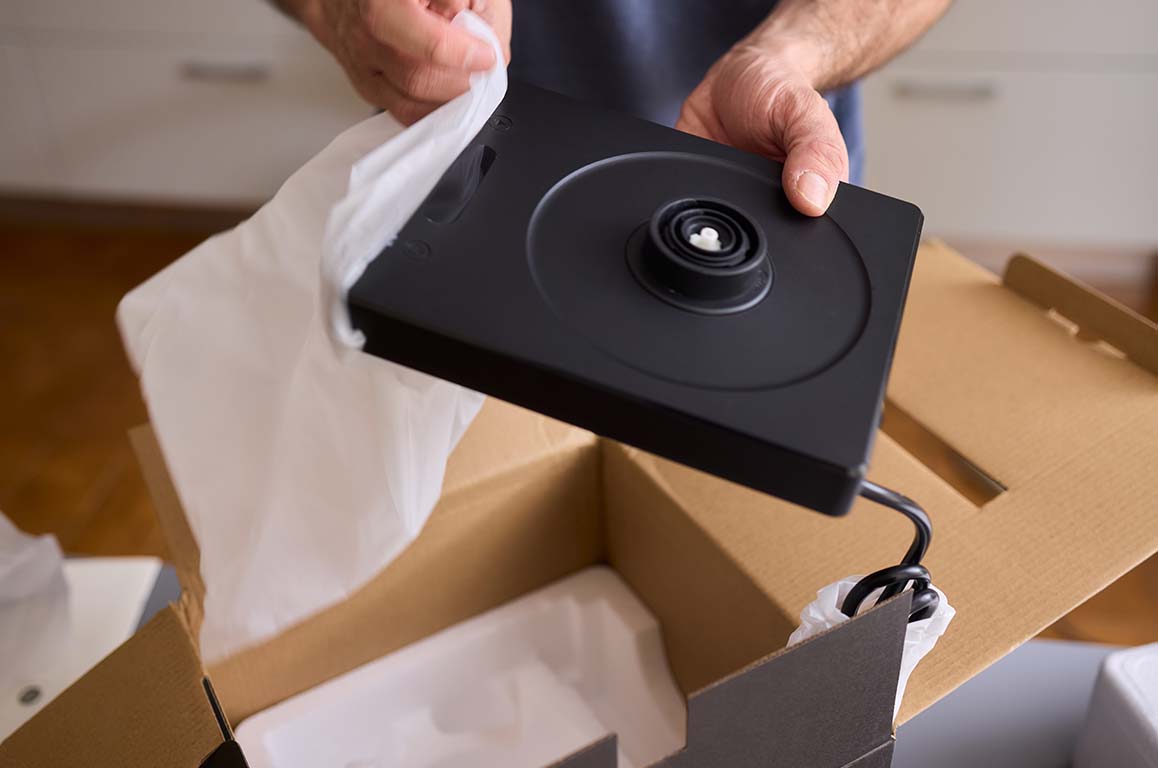
As the HSE (Health and Safety Executive) states: “New equipment should be supplied in a safe condition and not require a formal portable appliance inspection or test. However, a simple visual check is recommended to verify the item is not damaged.”
In most cases, new appliances do not require a formal PAT test before first use. However, a visual inspection is strongly recommended, and many organisations choose to test new items as part of their internal safety procedures.
Should You Still Test New Equipment?
Although it is not always a legal requirement, whether you PAT test new equipment often comes down to your organisation’s risk assessment and internal policy.
For extra safety, it is sometimes recommended to PAT test new items, particularly if the equipment is high-risk, such as heaters or industrial appliances.
It is also important to understand what is meant by “new”. This could refer to:
- Brand new equipment supplied directly from a reputable manufacturer or retailer with a UKCA or CE marking, where formal PAT testing before first isn’t necessary
- Equipment that is simply new to your organisation, including second-hand appliances or electrical items brought into the workplace by employees or students, which should be included within your in-service inspection and testing procedures before being put into use.
If there is any doubt about the condition, history, or safety of an appliance, inspection and testing should be carried out before the equipment is used.
Why Testing New Appliances Can Be Good Practice
Although new appliances are generally considered safe, there are several practical reasons why many organisations choose to test items when they are first introduced into the workplace. This helps maintain consistent safety standards and ensures all equipment is properly recorded and assessed.
Adding New Equipment to Your Asset Register
Testing appliances that are new to your organisation ensures they can be added to your asset register and accounted for when routine inspections are carried out. Without this, you may have no record of newly introduced equipment.
Unknown Testing History from Suppliers
Another important consideration is that you cannot always be certain what testing has already been carried out before equipment arrives on site. Even reputable suppliers may not fully test every internal component.
Identifying Potential Safety Risks
For example, there have been cases where a brand-new industrial appliance was found to be unsafe during inspection due to a fault within the plug. In one instance, a fuse had been incorrectly modified, creating a serious safety risk.
This highlights the importance of having a consistent approach to electrical safety. A PAT test can help identify issues such as incorrect wiring, damaged components, or unsafe modifications that may not be visible during a basic visual check.
Risks of Incorrect or Improper Fuse Modifications
It is also worth noting that temporary or incorrect fuse replacements (such as using unsuitable conductive materials) can be extremely dangerous, as they prevent proper circuit protection and increase the risk of fire or electric shock.
Conclusion
In most cases, new appliances do not legally require a PAT test before use, but they should always be visually inspected. Many organisations also choose to carry out PAT testing as part of their wider safety policy to ensure consistency, compliance, and peace of mind.
Ultimately, whether you choose to test new equipment depends on your risk assessment and internal procedures. However, given how little time a PAT test takes compared to the potential risks, many organisations find it a worthwhile precaution.