Is It Still Called PAT Testing?
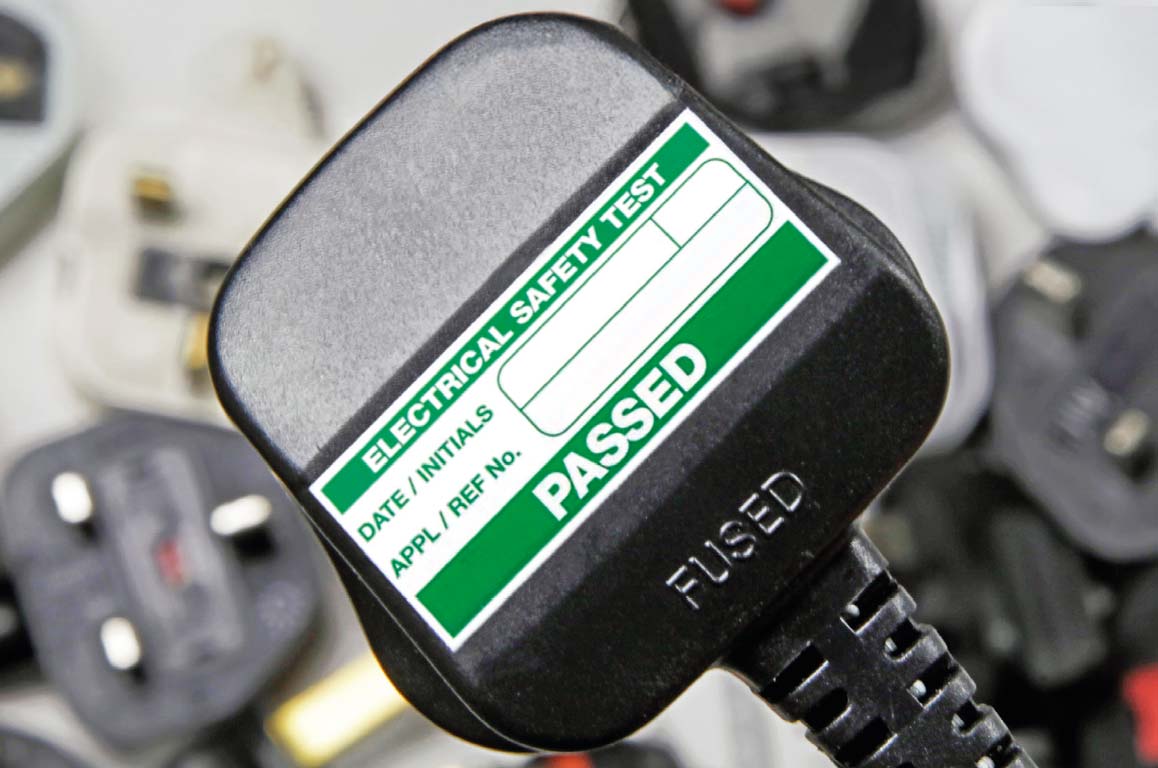
First and foremost, most people still call it PAT testing. However, the correct industry term is now Electrical Equipment Testing (EET).
Electrical safety in the workplace has never been more important. Whether you’re a qualified PAT tester or looking to gain a recognised PAT certification, understanding EET is essential. While PAT testing remains commonly used, EET testing is the modern, inclusive term that reflects the full scope of electrical safety across all types of equipment.
At PASS, we offer two dedicated courses, PAT Competency and City & Guilds 2377‑77, both designed to give you the practical skills and knowledge to carry out EET safely and confidently.
PAT vs EET: What’s the Difference?
The term PAT (Portable Appliance Testing) was originally used to describe the testing of portable electrical appliances. However, modern workplaces now use a wide range of electrical equipment that doesn’t always fit neatly into the definition of “portable”.
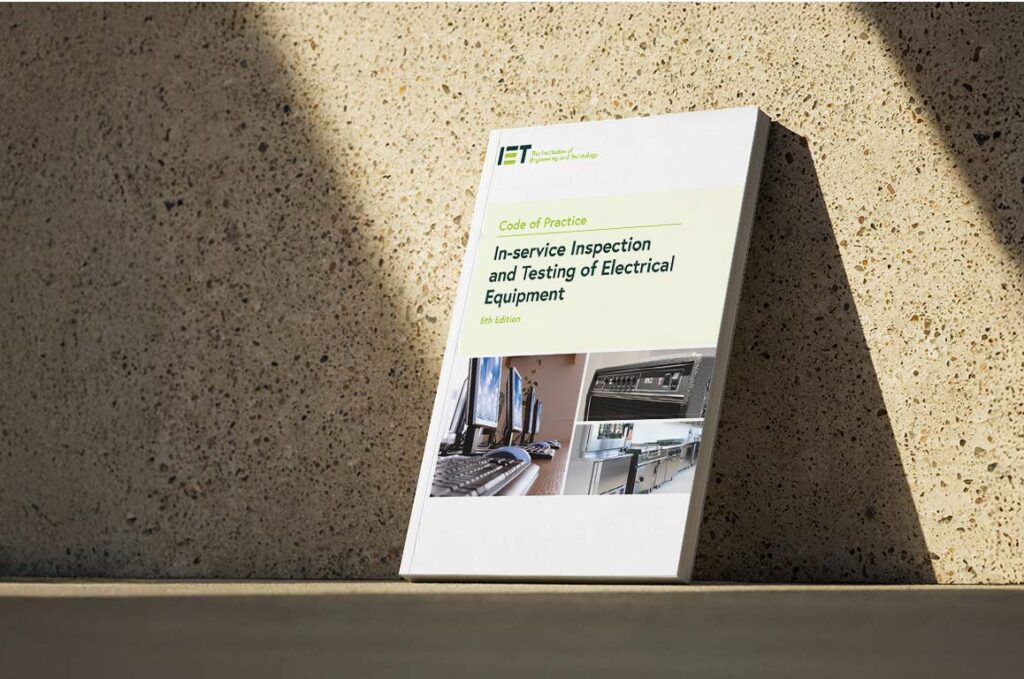
To reflect this, the industry has moved towards the term Electrical Equipment Testing (EET). The IET Code of Practice updated its guidance to recognise that testing should apply to all electrical equipment, not just appliances that can be unplugged and moved easily.
Importantly, this change is about terminology rather than technique. The purpose of the testing remains the same — to ensure equipment is safe for continued use.
Key differences at a glance:
- PAT describes a type of equipment (portable appliances).
- EET describes the full scope of what is tested (all electrical equipment).
- The testing methods remain unchanged.
- EET provides a clearer and more accurate description of modern workplace testing.
What is Electrical Equipment Testing?
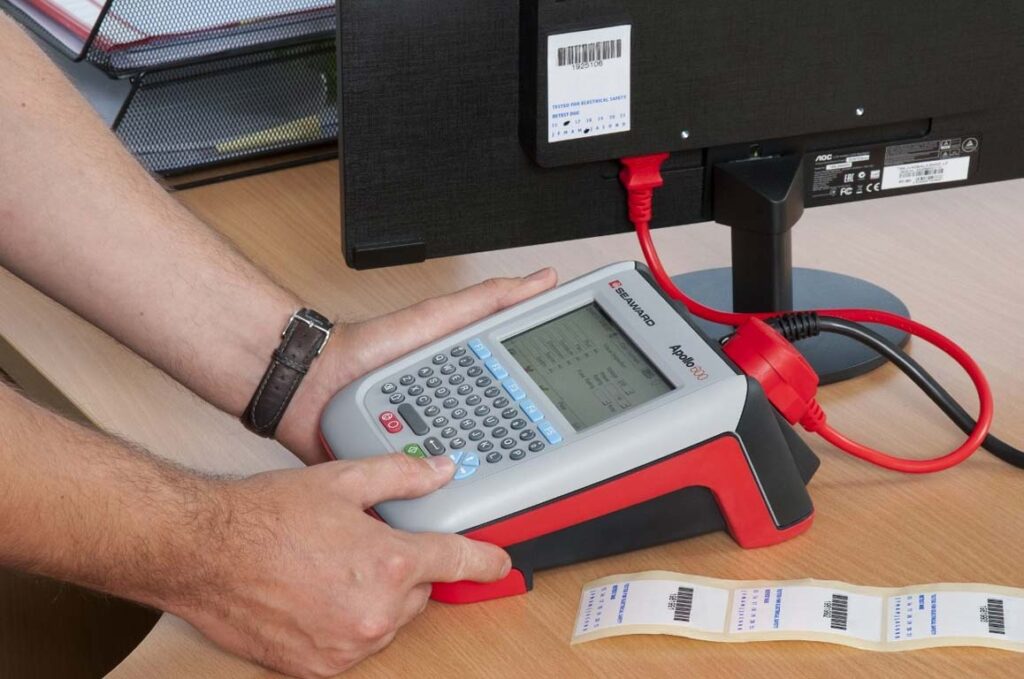
Electrical Equipment Testing (EET) is the process of inspecting and testing electrical equipment to confirm it is safe for continued use in the workplace. In practical terms, it follows the same principles as traditional PAT testing, combining visual inspection with electrical tests to identify faults, damage, or potential hazards.
EET applies to a wide range of equipment, including:
- Portable appliances such as kettles, power tools, and computers.
- Moveable equipment such as floor-standing heaters and extension leads.
- Fixed electrical equipment connected to the supply.
EET is carried out in line with guidance from the IET Code of Practice for In-Service Inspection and Testing of Electrical Equipment (5th Edition) and supports compliance with the Electricity at Work Regulations 1989.
Its purpose is the same as PAT testing has always been, to reduce the risk of electric shock, fire, and equipment failure by ensuring faults are identified and managed before they become a danger.
Why EET Matters
Whether you are testing as a business or in-house, a strong EET programme goes beyond simply meeting compliance requirements, it’s about minimising risks and keeping people safe.
Benefits of EET:
- Ensures all electrical equipment is safe to use.
- Reduces the risk of electrical shocks, fires, and equipment failure.
- Demonstrates due diligence to regulators, insurers, and employees.
- Enables risk-based testing, where high-risk equipment is tested more frequently than low-risk items.
Taking a PAT/EET testing course ensures your staff are properly trained to test electrical equipment safely, helping your business reduce risks, protect employees, and demonstrate compliance with UK safety regulations.
How PASS Training Covers EET
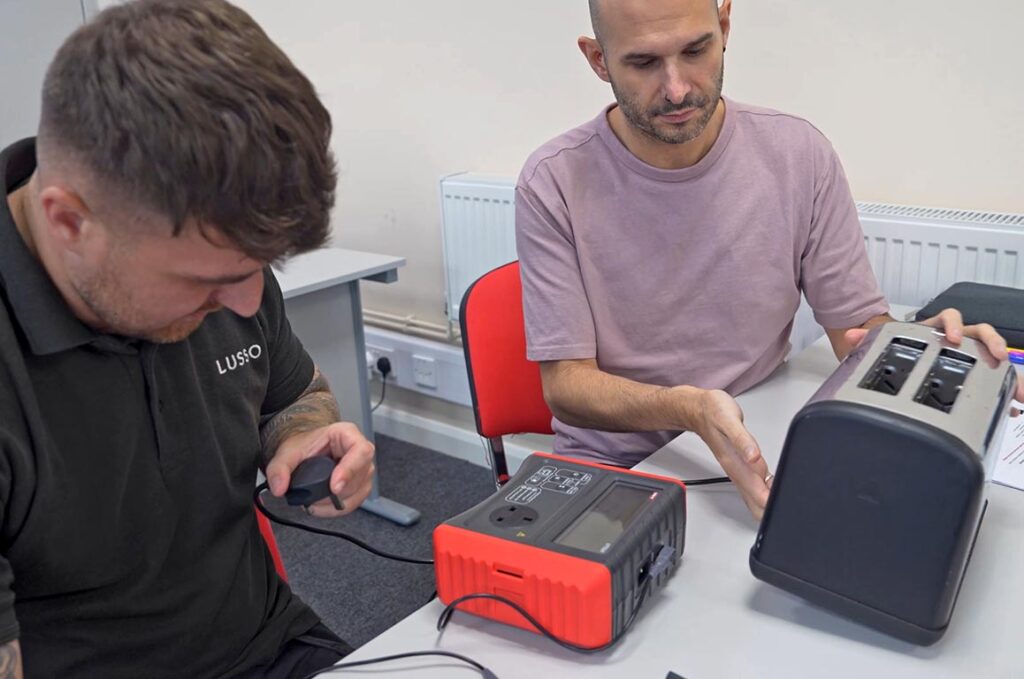
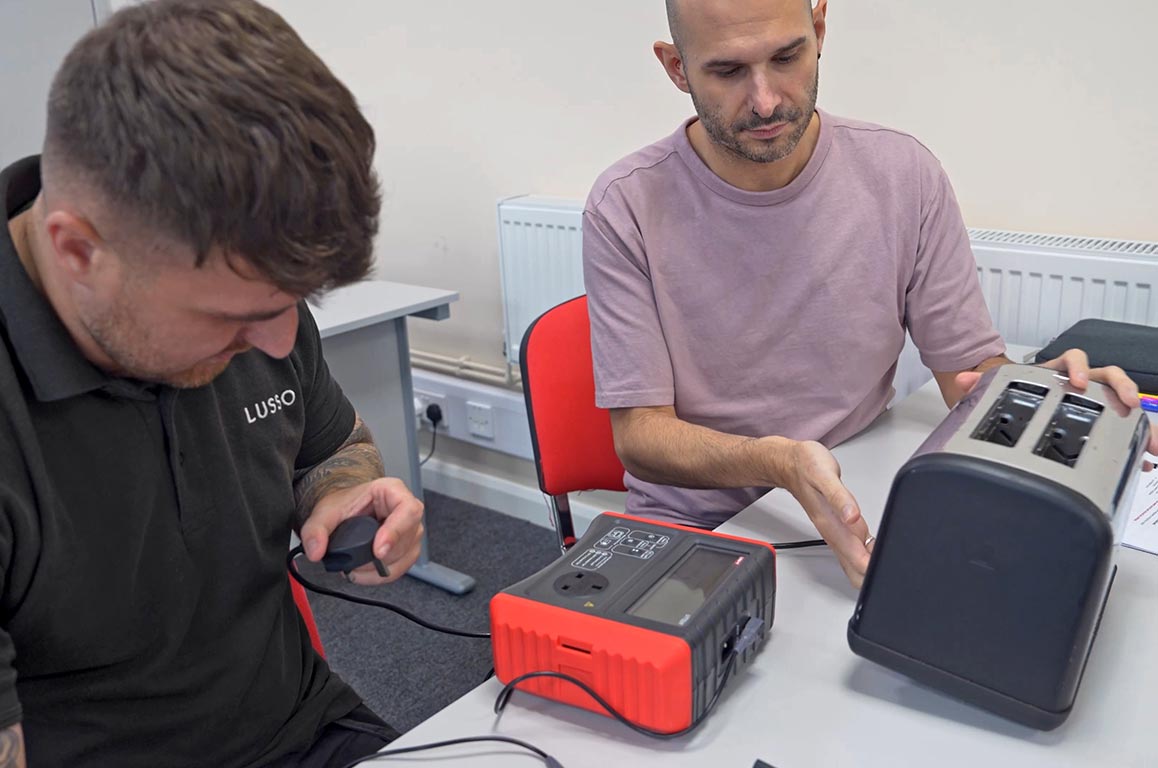
Our PAT/EET testing courses are designed to give you practical skills and knowledge to carry out EET testing confidently and safely. Both courses are fully aligned with current industry standards.
PAT Competency Course
- Practical training in inspection and testing of portable electrical appliances.
- Covers visual checks, earth continuity, insulation resistance tests, and record-keeping.
- Suitable for individuals who want to gain hands-on PAT/EET competence.
View: PAT Competency Course
City & Guilds 2377‑77 Course
- Focuses on inspection, testing, and certification of electrical installations.
- Incorporates EET principles and real-world scenarios.
- Ideal for electricians or maintenance staff seeking a formally recognised qualification.
View: City & Guilds 2377‑77 Course
Completing either course gives you the skills to perform EET safely and confidently, supporting compliance with UK health and safety law.
Book Your EET/PAT Course


EET Testing FAQs
There is no requirement to update your existing PAT qualification, but it may be a good idea, especially if your training was completed some time ago or if your workplace equipment and procedures have changed.
Updating your training can:
- Ensure your knowledge reflects current industry standards
- Give you confidence to test all types of electrical equipment safely
- Help your business demonstrate competence and compliance under UK law
For most businesses, a refresher or re-training every 3–5 years is recommended, but this may vary depending on your role, experience, and the types of equipment you test.
Completing a PAT/EET course with PASS ensures your qualification is current, practical, and recognised.
EET (Electrical Equipment Testing) itself is not a legal requirement, but duty holders in commercial premises do have a legal responsibility to ensure that all electrical appliances and equipment are safe to use. This is outlined by:
- The Electricity at Work Regulations 1989
- Guidance from the Health and Safety Executive (HSE)
- The IET Code of Practice for In-Service Inspection and Testing of Electrical Equipment (5th Edition)
Proper EET training ensures that testing is done safely, competently, and in line with current standards.
You can choose the PAT Competency Course for practical in-house testing, or the City & Guilds 2377‑77 Course for a formal qualification and commercial testing. View our PAT Testing Courses category for more information.
If you’re still unsure, contact us and we will be happy to help.
Further Information
Still unsure which PAT/EET course is right for you? Please contact our training team, and we’ll help you choose the training option that best suits your experience and goals.