BTAC020 Underground Cable Fault Location Course
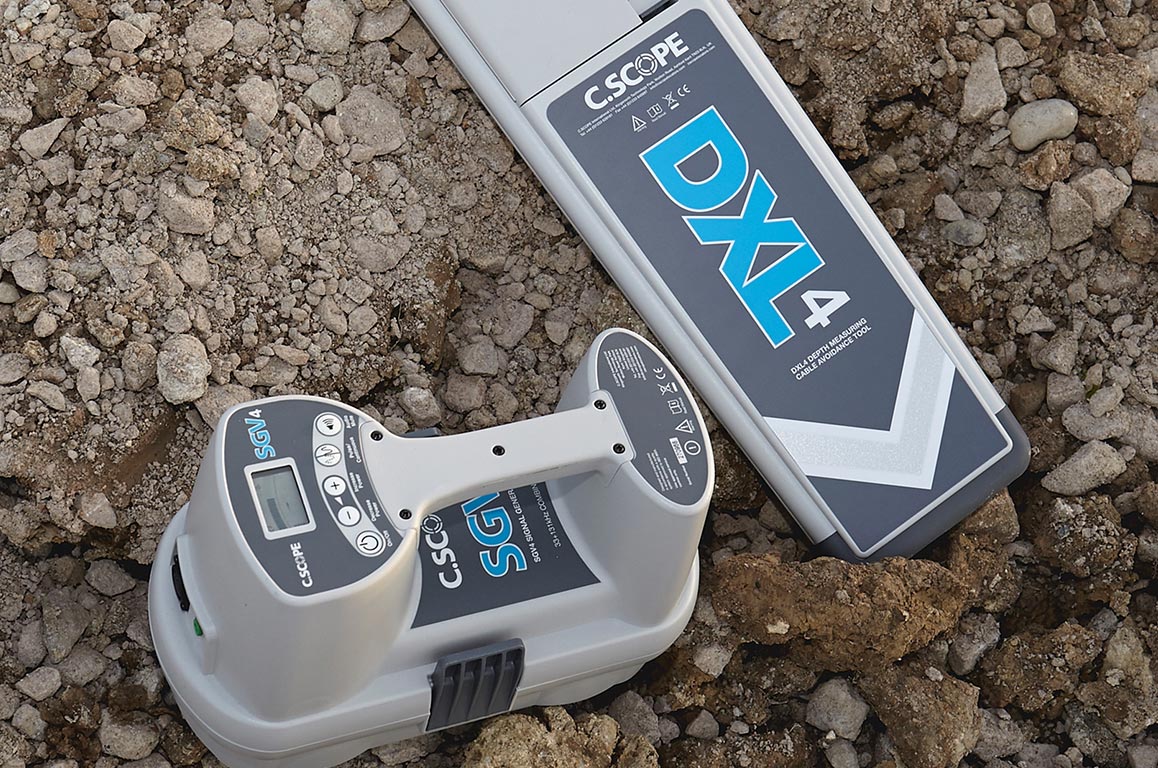
The Underground Cable Fault Location BTAC020 Course is designed for electrical technicians, engineers, and utility workers who require practical skills in identifying and locating faults in buried high-voltage and medium-voltage cables. This hands-on training complies with industry safety standards and equips delegates with the knowledge to diagnose and resolve cable faults efficiently.
Ideal for those in power distribution, telecommunications, or maintenance roles, the course covers essential fault-finding techniques and the use of specialised equipment to minimise downtime and reduce costly repairs.
Why enrol on the Underground Cable Fault Location Course?
Foundational fault location techniques enhance your ability to pinpoint underground cable issues quickly, thereby improving response times and reducing service interruptions. This course combines theory with practical exercises, giving you the confidence to work with various high/medium-voltage cable types and fault scenarios.
We offer expert instruction using up-to-date technology and real-world simulations, ensuring you gain relevant, applicable skills. Completing this course demonstrates your competency and commitment to maintaining safe and reliable electrical infrastructure.
Course Overview
This course covers foundational training on underground cable fault location methods and equipment.
Course Topics
- Safety
- Test equipment position
- Grounding
- Built-in safety systems and the application of safety tools
- System Voltage, Environmental, and Cable
- Cable type, construction elements, operating voltage, “U”, and “Uo”
- Mapping and defining the cable route and cable length
- Impacts of soil type and recent weather conditions
- Fault Diagnosis
- Measuring fault resistance, loop resistance, TDR cable length
- Voltage with-stand
- Cable Fault Pre-location Methods
- Understand the methods available and their application strengths
- TDR, the suite of SIM MIM methods
- Introduction to impulse current, decay, and differential methods
- Four Main Cable Fault Pinpointing Methods
- Surge with magnetic-acoustic pinpointer
- Step voltage method
- Twist lay method
- Minimum distortion method
- Reporting
- Basic requirements for reporting
- Post-fault tests and repair proving
- VLF test, Tan Delta, Partial Discharge
Electrical and utility workers involved in high/medium-voltage cable maintenance and fault diagnosis.
You do not require prior knowledge or experience to enrol on this course. However, all attendees must be aged 18 or older and have a good command of written and spoken English.
Yes, all candidates who complete the course and demonstrate a good understanding will receive a Certificate of Attendance.
24 hours (Mon-Fri).