
Safe Isolation & Handyman Electrical Safety Training Course
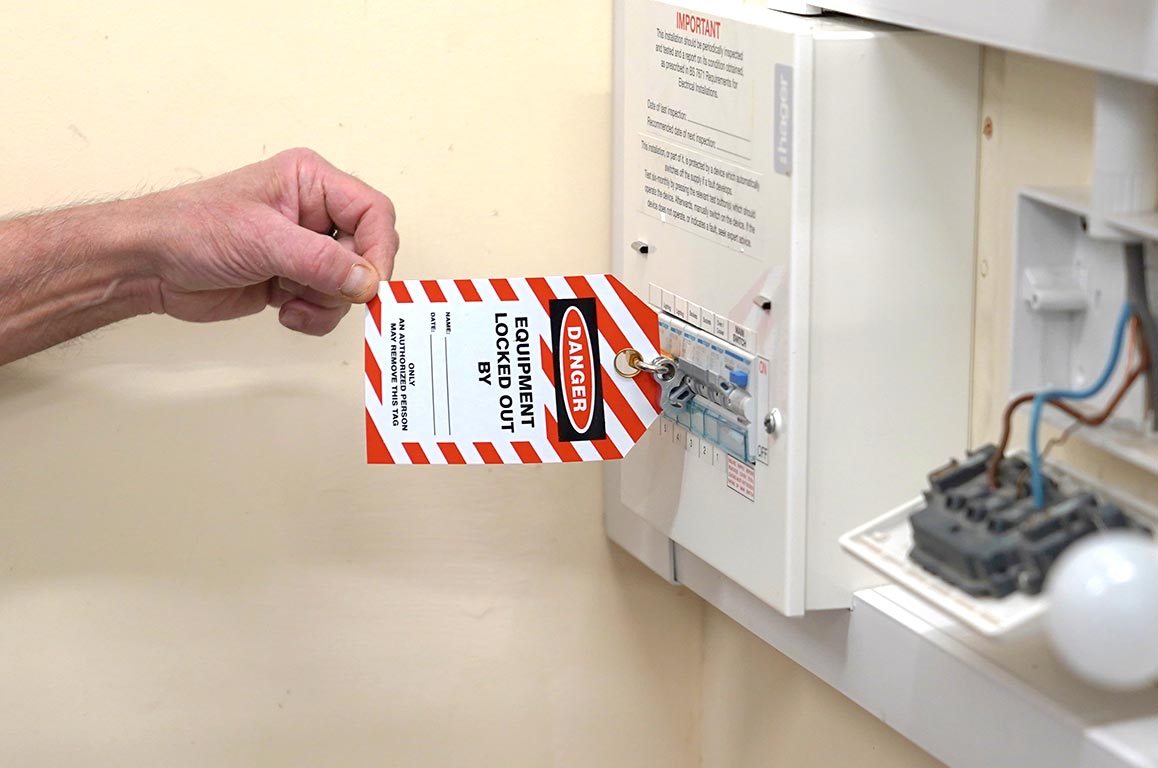
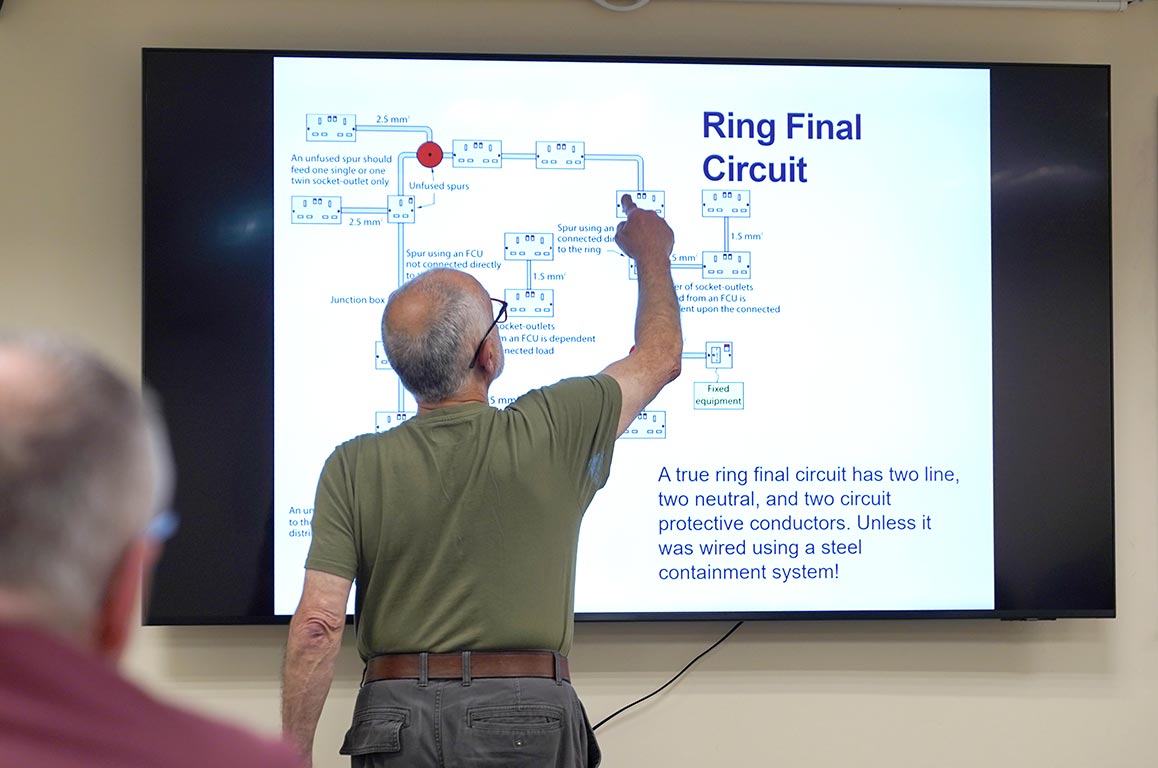
The Safe Isolation/Handyman Course is tailored for individuals who need practical skills to safely isolate electrical circuits to perform basic electrical tasks, such as replacing sockets and fused spur fronts. Designed for tradespeople, maintenance workers, and those responsible for safety on site, this course meets essential health and safety regulations relevant to electrical isolation work. It ensures candidates understand how to work safely around live electrical systems without the risk of injury or damage.
Whether you’re new to the trade or looking to enhance your existing skills, this course equips you with the knowledge and confidence to carry out safe isolation for small/basic electrical tasks.
Why enrol in the Safe Isolation / Handyman Course?
This course offers real-world value by teaching you the critical safety practices needed to isolate electrical supplies before simple maintenance or repair work. Avoiding accidents and ensuring compliance with safety legislation are vital for any site or workplace, and this qualification demonstrates your commitment to safe working practices.
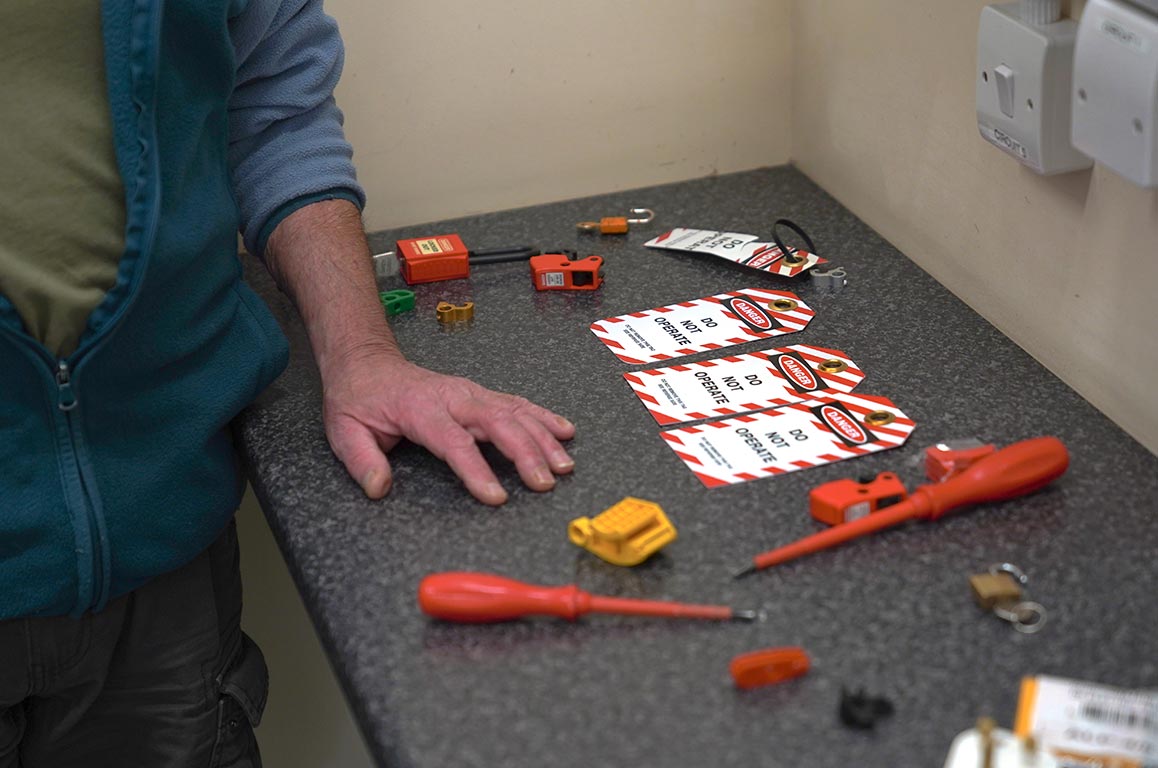
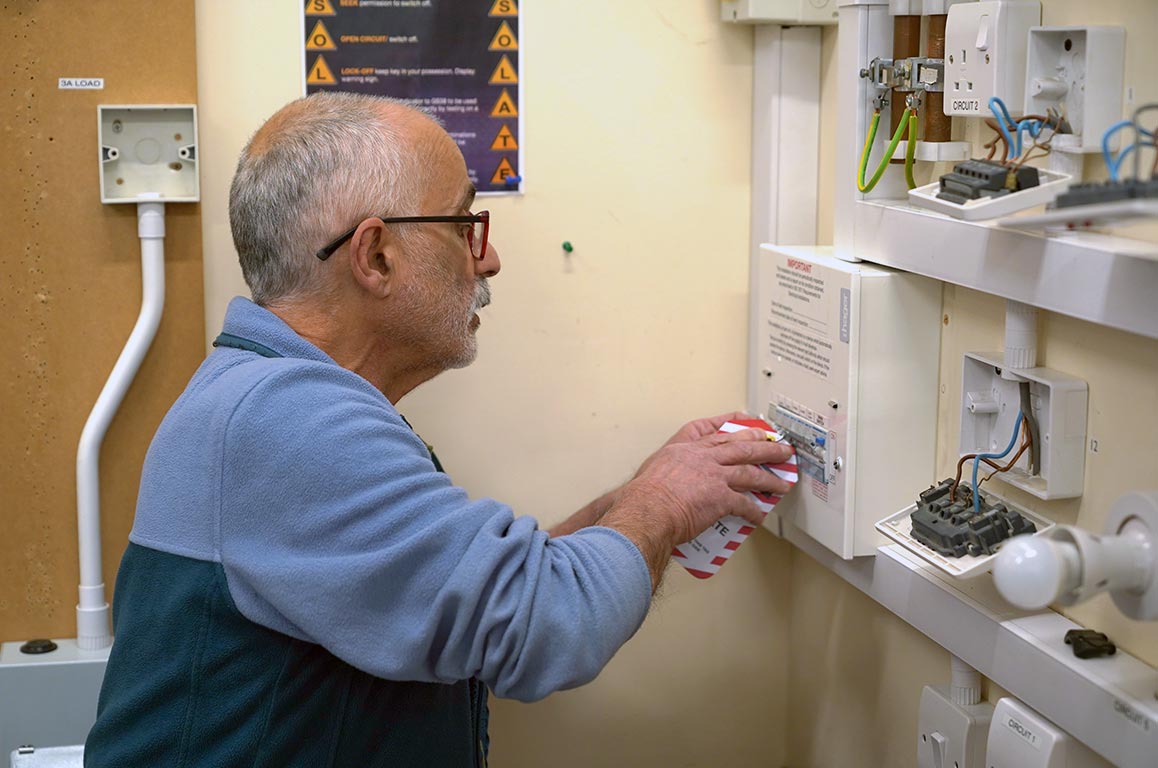
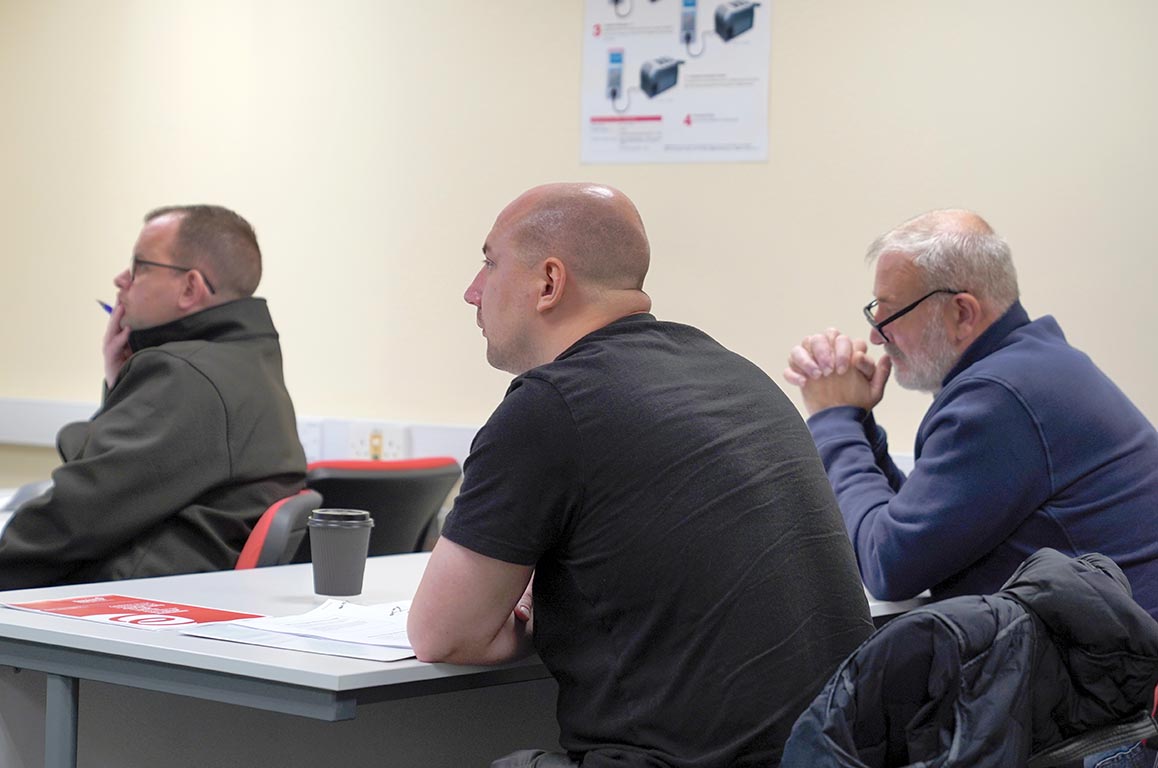
We deliver hands-on training combined with clear theory to help you understand the principles of safe isolation and basic electrical skills. Completing this course opens doors to roles requiring safe isolation competency. Additionally, it complements other electrical qualifications, such as the City & Guilds 18th Edition, ideal for those seeking a comprehensive electrical skill set.
Safe Isolation / Handyman Course Overview
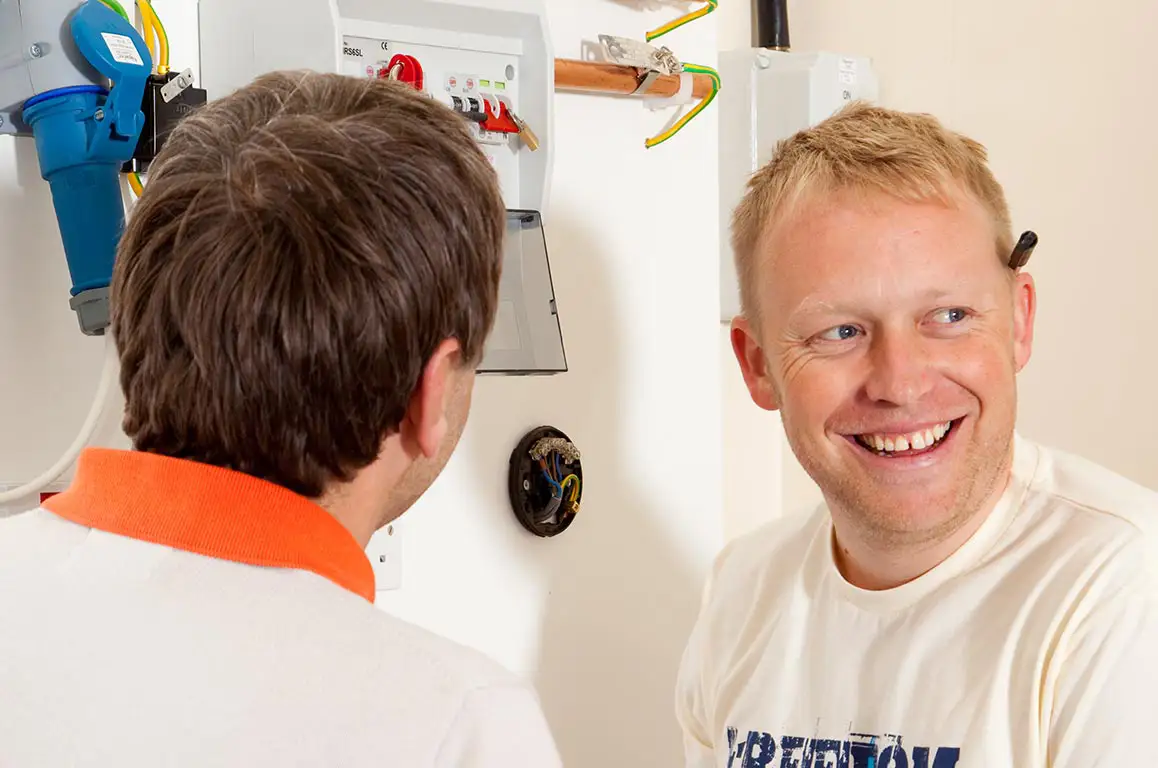
Our Safe Isolation / Handyman Course focuses on essential safety and practical skills needed for effective electrical isolation and maintenance.
Course Topics
- Basic electrical theory
- Electrical shock
- Overview of current and resistance
- Earthing and why it’s important
- Different types of circuit board (240V and 415V)
- Circuit identification
- Fuses, circuit breakers, and MCBs
- Lighting and power circuits
- Safe working practices
- Safe isolation
- Test equipment
- How to wire/change a plug
- Replacing socket outlets and fused spur units
- Working with light fittings
- Replacing tubes, bulbs, and starters
- Ladder and step-ladder safety
- Limitations of electrical work
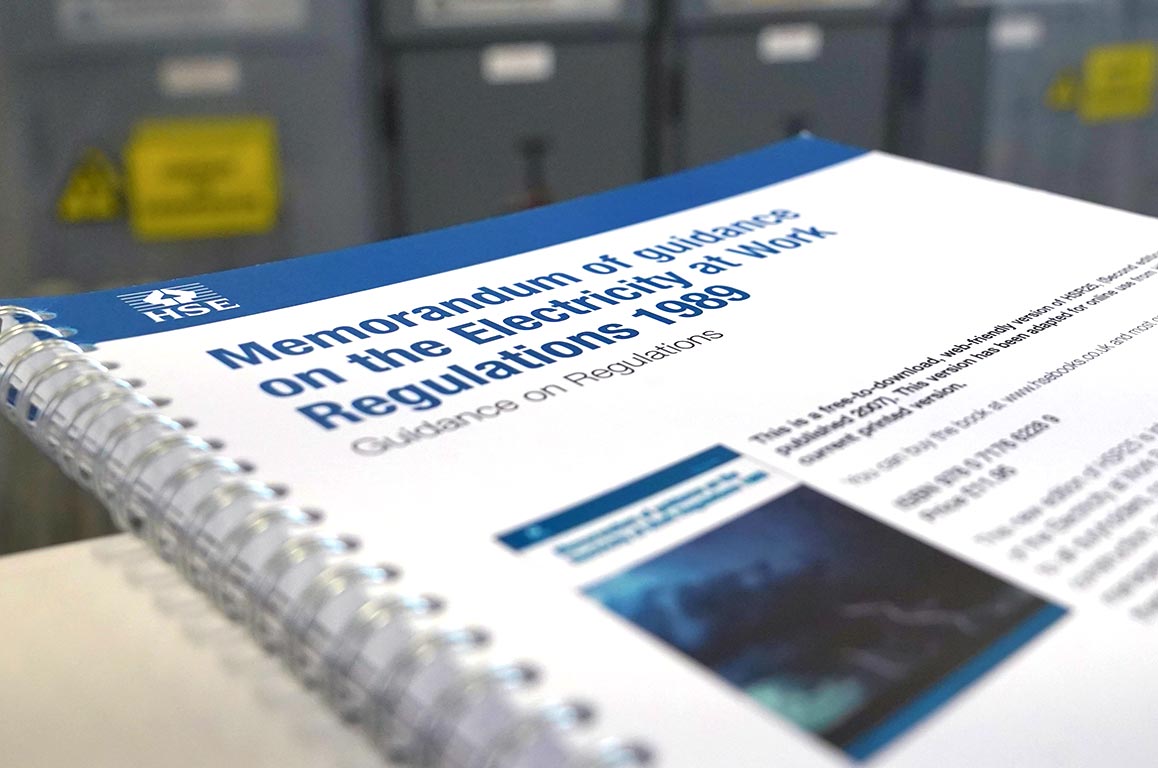 Electricity at Work Regulations (EAWR) 1989 Course
£350
£420
View Course
Electricity at Work Regulations (EAWR) 1989 Course
£350
£420
View Course
 Entry Level
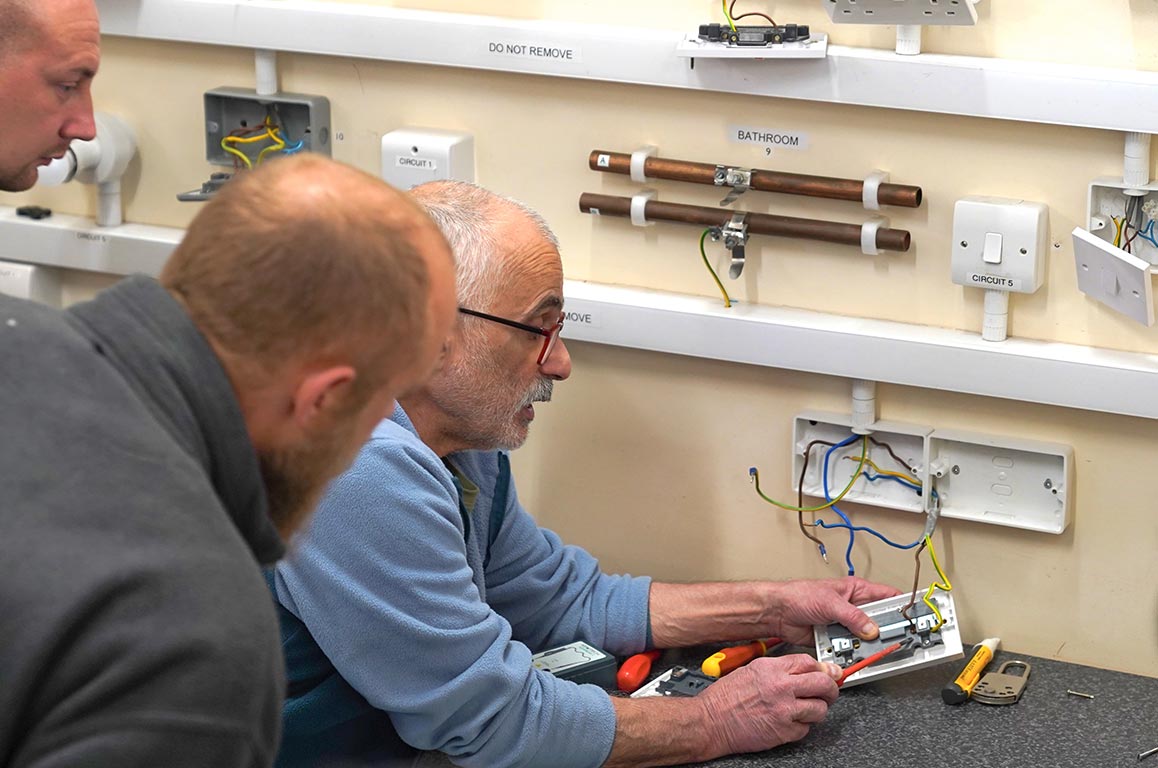 Basic Electrical Skills for Beginners & Non-Electricians Course
£499
£598.80
View Course
★ Popular
Basic Electrical Skills for Beginners & Non-Electricians Course
£499
£598.80
View Course
★ Popular
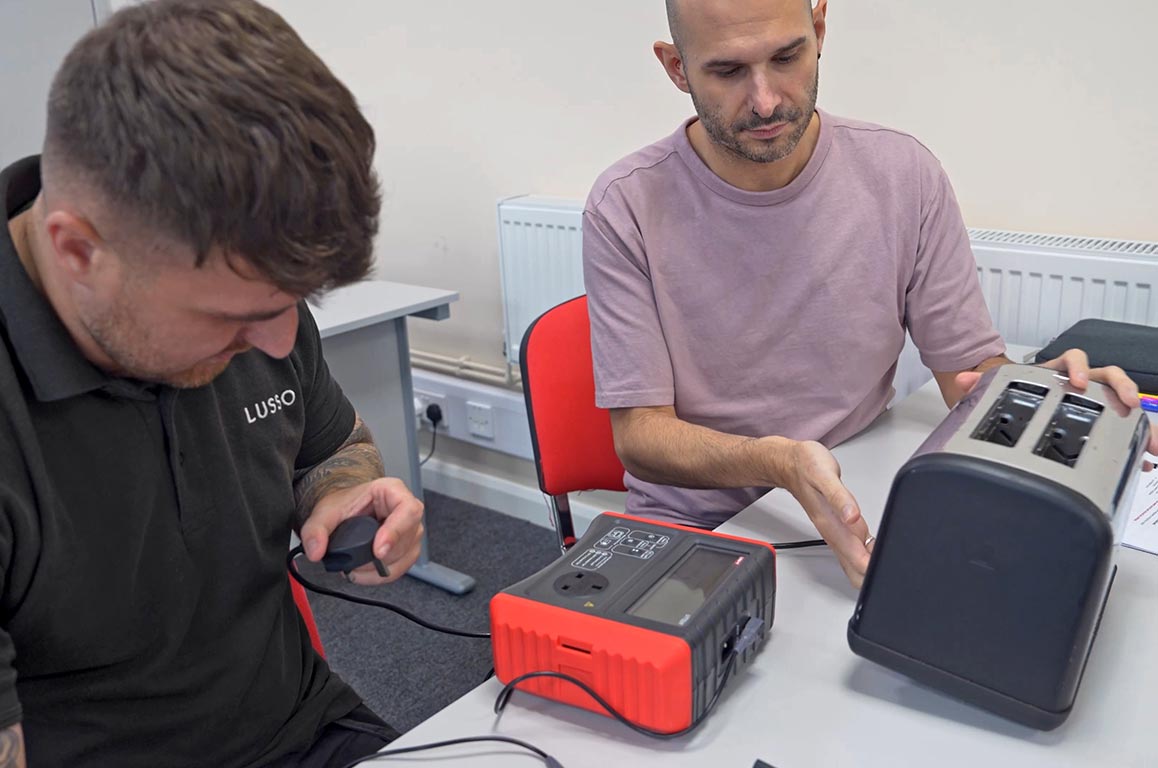 PAT Testing Competency Course
£349
£418.80
View Course
PAT Testing Competency Course
£349
£418.80
View Course
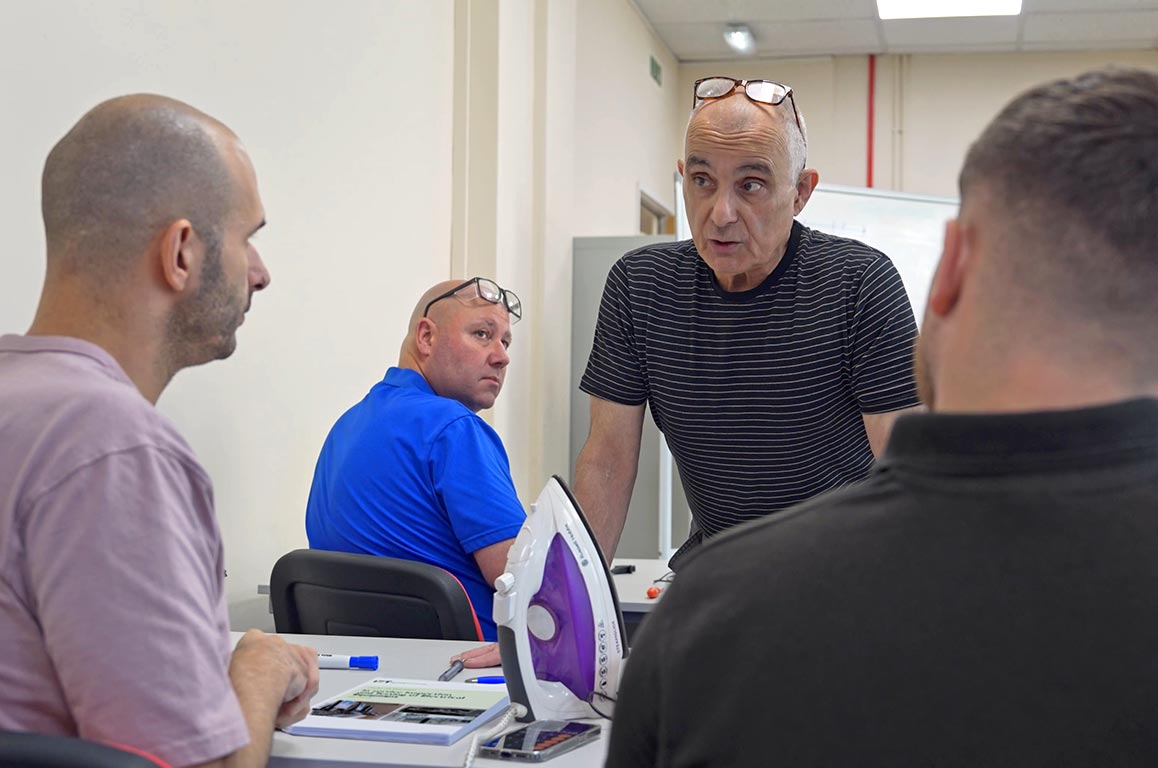 City & Guilds 2377-77 EET/PAT Testing In-Service Inspection & Testing of Electrical Equipment Course
£449
£538.80
View Course
City & Guilds 2377-77 EET/PAT Testing In-Service Inspection & Testing of Electrical Equipment Course
£449
£538.80
View Course

 Safe Use of Electrical Equipment in Hazardous Areas Course
£699
£838.80
View Course
Safe Use of Electrical Equipment in Hazardous Areas Course
£699
£838.80
View Course
Anyone responsible for isolating electrical circuits before maintenance or repair, including caretakers, tradespeople, maintenance workers, and site supervisors.
It involves turning off and securing electrical circuits to ensure no accidental energisation occurs during work, protecting both the workers and the equipment.
While not mandatory, basic knowledge of electrical systems helps. The course is suitable for beginners and experienced tradespeople.
It complements other courses like the City & Guilds 18th Edition but is a standalone qualification for safe isolation.
 Manchester
, M22 4RG
View Centre
Manchester
Manchester, M22 4RG
View Centre
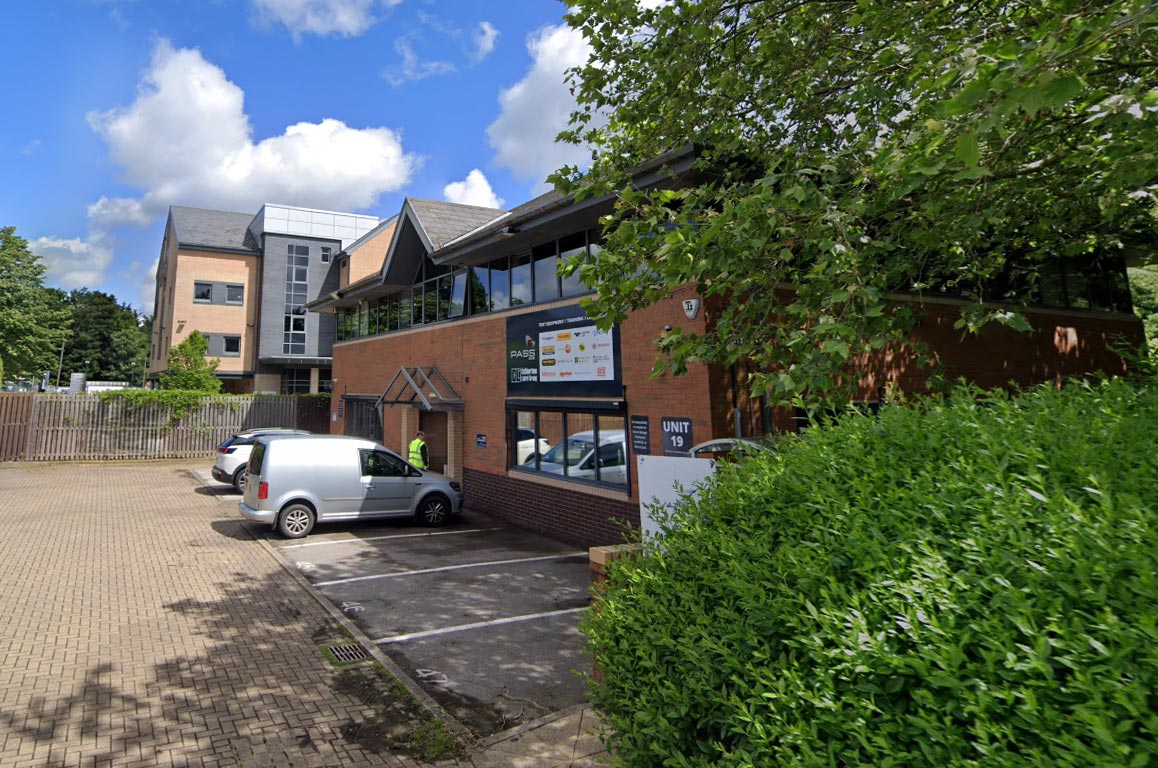 Leeds
Leeds, LS12 6AJ
View Centre
Leeds
Leeds, LS12 6AJ
View Centre
 Gloucester
, GL4 8ED
View Centre
Gloucester
Gloucester, GL4 8ED
View Centre
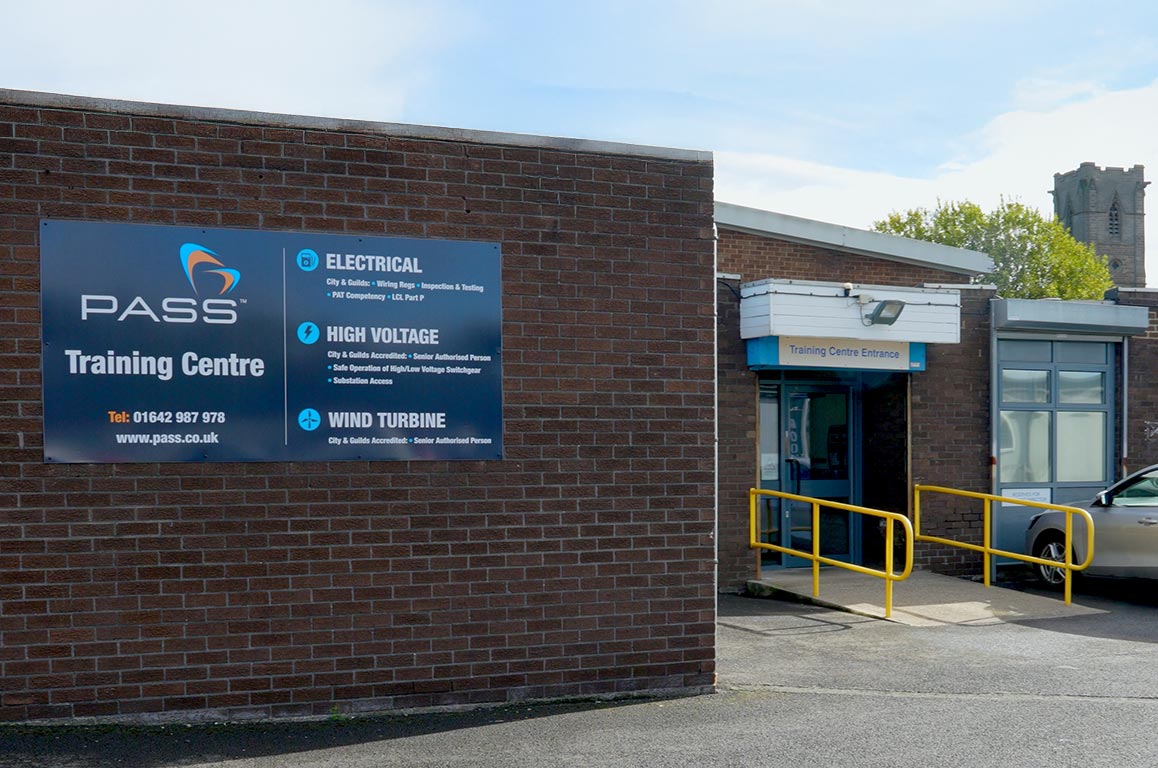 Stockton-on-Tees
Stockton-On-Tees, TS18 2BQ
View Centre
Stockton-on-Tees
Stockton-On-Tees, TS18 2BQ
View Centre
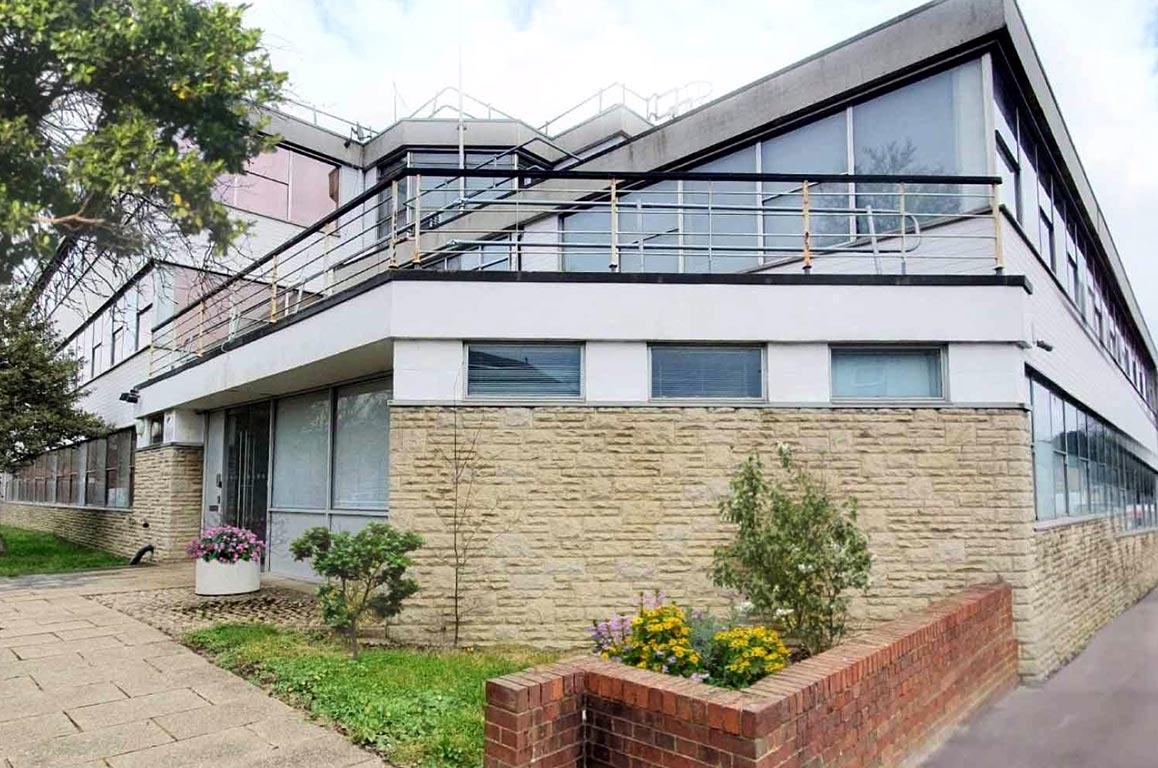 Aldershot
, GU11 1TQ
View Centre
Aldershot
Aldershot, GU11 1TQ
View Centre
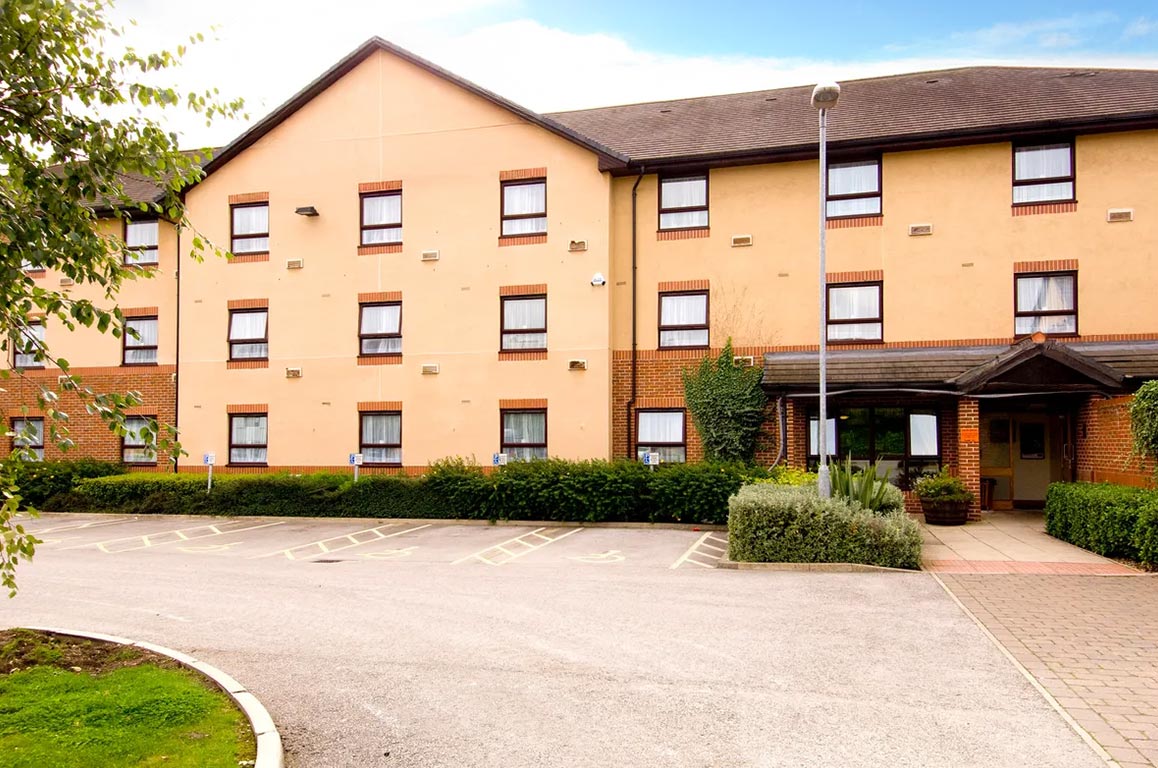 Chesterfield
, S41 7NJ
View Centre
Chesterfield
Chesterfield, S41 7NJ
View Centre
 Gateshead
, NE16 3AS
View Centre
Gateshead
Gateshead, NE16 3AS
View Centre
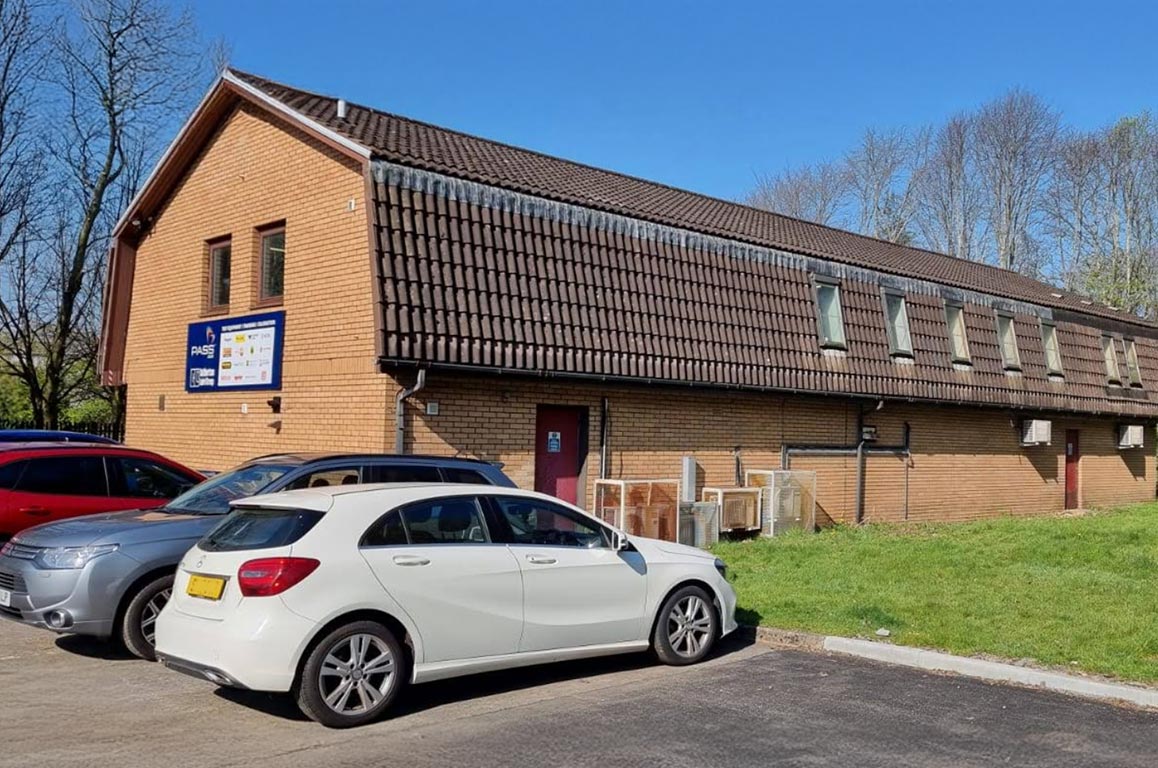 Hamilton
, ML3 0QQ
View Centre
Hamilton
Hamilton, ML3 0QQ
View Centre
 Leicester
, LE4 5NU
View Centre
Leicester
Leicester, LE4 5NU
View Centre
 Stevenage
, SG1 2DF
View Centre
Stevenage
Stevenage, SG1 2DF
View Centre
24 hours (Mon-Fri).