Understanding How PAT Testing & In-Service Inspection Work
The technical term for PAT testing (Portable Appliance Testing) is In-Service Inspection and Testing.
Although the term PAT testing is widely used, the formal term used within industry guidance is In-Service Inspection and Testing of Electrical Equipment. You may also see the term Electrical Equipment Testing (EET) used in some cases, reflecting that the process applies to a wide range of equipment, not just portable appliances. However, PAT testing remains the most commonly recognised term in the UK.
This process forms the basis of PAT testing procedures, expanding on basic checks by including both visual inspections and electrical testing to ensure appliances remain safe during use.
To help simplify things, In-Service Inspection and Testing is generally broken down into three key categories:
- User Checks
- Formal Visual Inspections
- Combined Inspection & Testing
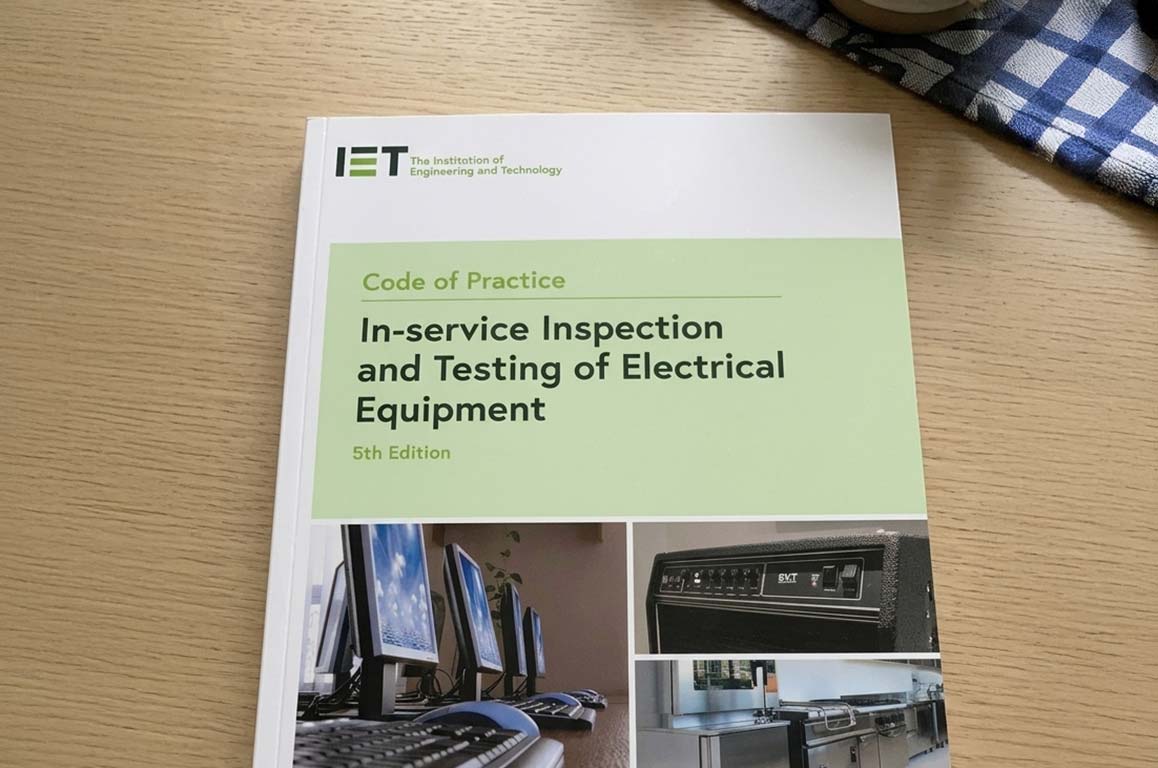
PAT testing should be carried out by a competent person, often trained via a one-day PAT testing competency course for practical application, or through a more in-depth qualification such as City & Guilds 2377-77 for a deeper understanding of in-service inspection and testing and the IET Code of Practice.
User Checks
Basic checks carried out by the user to identify obvious signs of damage or faults before formal inspection.
Why User Checks Are Important
Within a workplace environment, anyone using an appliance should be aware of how to carry out basic checks. This helps raise awareness of potential electrical dangers.
The user is often the best person to identify faults, as they interact with the appliance regularly. For example, in an office environment, an employee should check their computer, monitor, and associated equipment for obvious signs of damage and report any issues immediately.
This allows damaged appliances to be identified and reported long before formal PAT testing is carried out, reducing the risk of faults developing between inspection periods.
Implementing User Checks in the Workplace
It is good practice for organisations to train employees on how to carry out these checks, typically during induction. Posters and reminders can also be used throughout the workplace to reinforce their importance.
Some organisations also introduce regular checks, such as monthly reviews of equipment. This is particularly important in environments such as schools, where equipment may be subject to heavier use.
Formal Visual Inspections
A structured inspection of plugs, cables, and appliances to identify visible defects that could create a safety risk.
Why Visual Inspections Matter
Although similar to user checks, formal visual inspections are more structured and should be carried out at defined intervals.
According to the Health and Safety Executive (HSE), visual inspections can identify over 90% of faults. This makes them a critical part of the testing process.
What to Look For During an Inspection
These inspections involve checking the plug, cable, and appliance for signs of damage, such as frayed cables, cracks, or overheating. This may also involve gently handling the cable to detect damage not immediately visible.
All inspections must be carried out with the appliance switched off and unplugged to avoid the risk of electric shock.
Visual vs Electrical Testing
Visual inspections can identify issues that electrical testing alone may not detect. Without them, faults could go unnoticed even if PAT testing is carried out.
In simple terms, PAT testing identifies internal electrical faults, while visual inspections focus on external condition and damage. Both are essential for effective electrical safety management.
Combined Inspection & Testing
A full inspection and electrical testing process carried out by a competent person using PAT testing equipment.
What Is Included in a Combined Test
Combined inspection and testing is a full procedure carried out by a competent person who has received appropriate training.
This process begins with a detailed visual inspection, including opening the plug (where appropriate) to check the condition of the fuse and internal wiring.
The live, neutral, and earth connections are checked to ensure correct wiring and secure terminations. For Class I appliances, the presence of a proper earth connection is essential.
Checking the Plug, Cable & Appliance
The plug is also checked for damage and to ensure that insulated pins comply with current standards, which is particularly important in environments where children may be present.
The cable, plug, and appliance anchorage points are checked to ensure the cable is secure and not at risk of being pulled loose. The appliance casing should also be checked for cracks or damage, and the on/off switch should operate correctly.
Electrical Testing & Recording Results
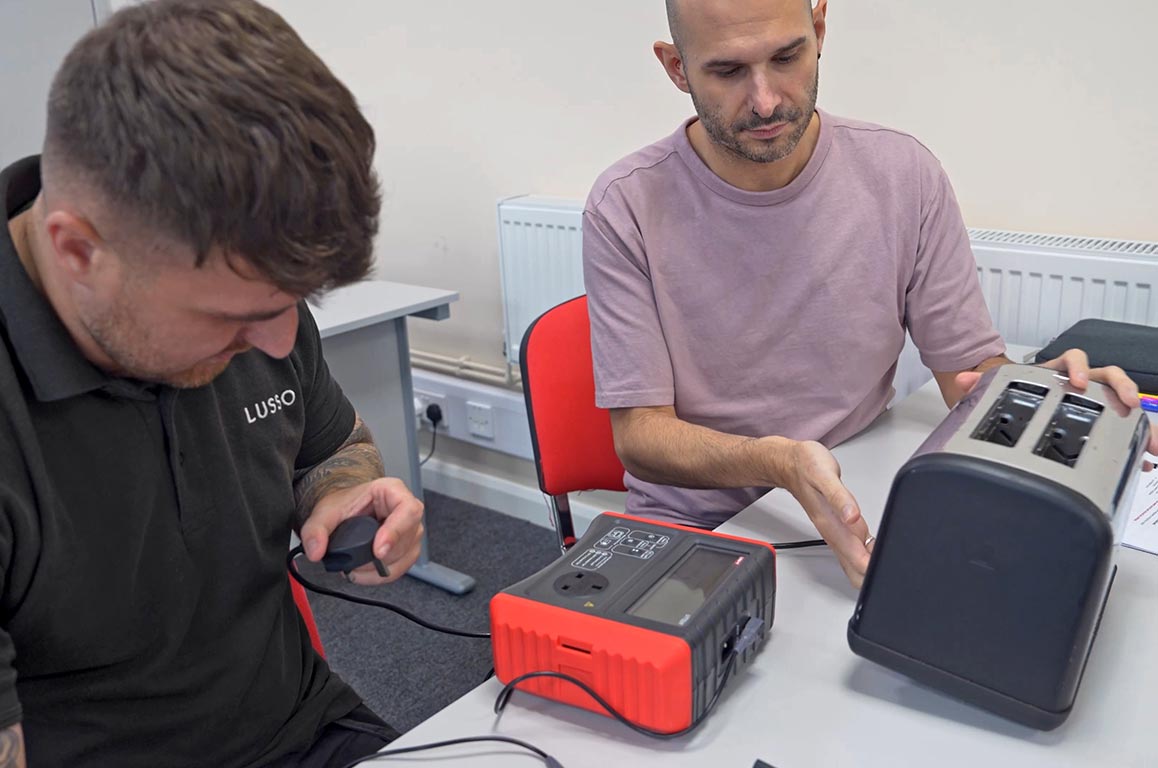
Once the visual inspection is complete, electrical tests are carried out using a portable appliance tester.
The person conducting the test must understand PAT testing principles, what faults to look for, and the risks associated with faulty equipment, such as missing or ineffective earthing.
Results should be recorded, either manually or using software, and appliances should be labelled with a PASS or FAIL indication.
Any appliance that fails must not be used under any circumstances and should be repaired or replaced. Repaired items must be re-tested before being returned to service.
Until repairs are completed, faulty appliances should be removed from service. Leaving them accessible increases the risk of accidental use.
Related Courses


Conclusion
All three elements of In-Service Inspection and Testing play a vital role in maintaining electrical safety within the workplace.
To ensure ongoing safety, organisations should implement a system where user checks, visual inspections, and combined testing are carried out regularly, recorded properly, and acted upon when faults are identified.
The legislation covering PAT testing is the Electricity at Work Regulations 1989, which requires that electrical equipment is maintained in a safe condition. This applies not only to portable appliances but to all electrical equipment within the workplace.