Understanding PAT Testing
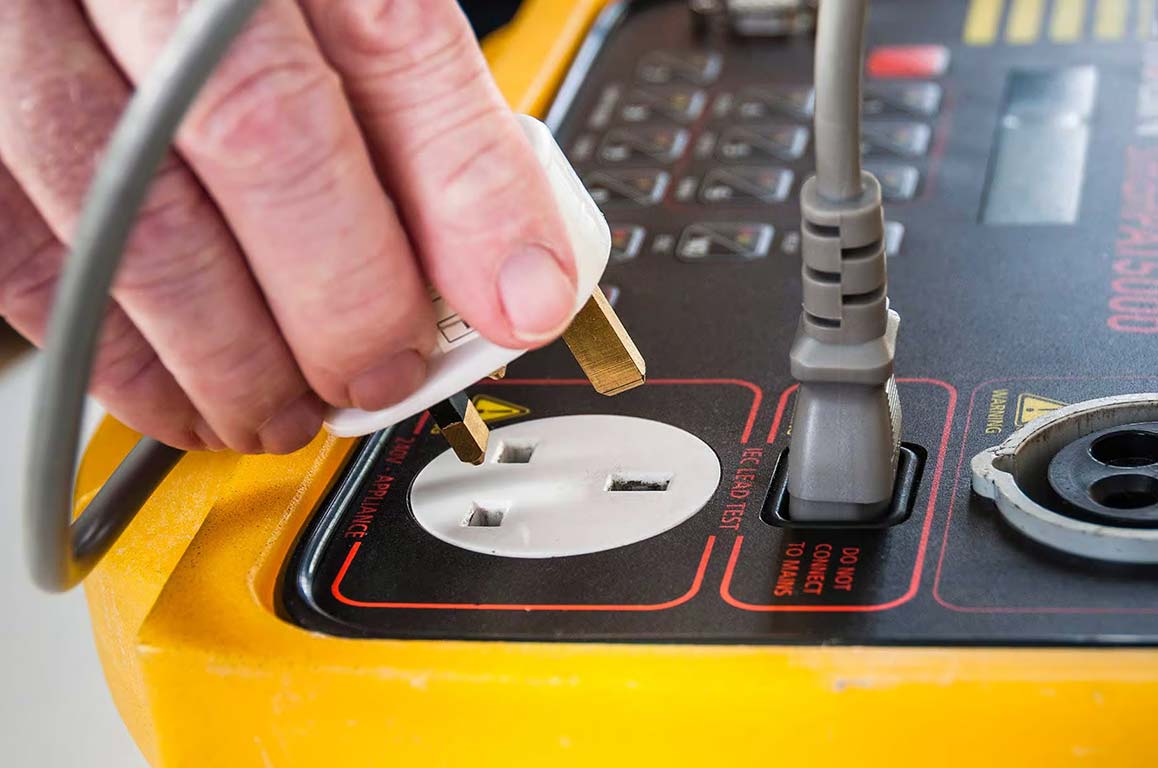
PAT (Portable Appliance Testing) is a widely used term for the process of checking electrical equipment for safety in workplace and commercial environments.
It involves a combination of visual inspection and, where appropriate, electrical testing to help identify defects that could lead to electric shock, fire, or equipment failure.
The purpose of PAT testing is to help ensure that electrical equipment remains in a safe condition for continued use.
Is PAT Testing a Legal Requirement?
PAT testing itself is not a legal requirement in the UK.
However, employers and duty holders have a legal responsibility under the Electricity at Work Regulations 1989 to ensure that electrical equipment is maintained in a safe condition, so far as is reasonably practicable.
PAT testing is one recognised method of helping demonstrate that this duty has been met, particularly in workplace environments.
Why PAT Testing is Used
A simple way to understand PAT testing is to think of it as similar to an MOT for electrical equipment.
Just like a vehicle, electrical appliances can deteriorate over time due to wear, damage, or environmental conditions.
Regular inspection and testing helps identify potential faults before they become dangerous, helping reduce risk in the workplace.
Where PAT Testing Comes From
PAT testing developed as a practical method of helping organisations meet their responsibilities under the Electricity at Work Regulations 1989.
Guidance is provided in the IET Code of Practice for In-Service Inspection and Testing of Electrical Equipment, which is now in its 5th Edition.
This modern guidance places greater emphasis on risk assessment and the condition and use of equipment rather than fixed intervals or rigid categories.
Some organisations and training providers may also refer to this process as “Electrical Equipment Testing (EET)”. This is not an official term used within the IET Code of Practice, but it is sometimes used informally to describe the broader approach to in-service electrical safety testing.
We explain this in more detail in our guide on PAT testing vs EET testing.
International Use
Similar systems are used in other countries. In Australia and New Zealand, the process is commonly known as “test and tag”.
This is governed by AS/NZS 3760, which sets out requirements for the in-service safety inspection and testing of electrical equipment.
Modern Practice
Modern guidance focuses on risk-based maintenance rather than fixed rules or schedules.
This means the type of equipment, how it is used, and the environment it is used in are more important factors than simply following a set testing interval.
PAT Testing Courses


Conclusion
PAT testing is a widely used process for helping ensure electrical equipment remains safe to use in workplaces and commercial environments.
While not a legal requirement in itself, it is a practical and commonly accepted method of supporting compliance with electrical safety duties under UK health and safety law.
The focus of modern practice is on risk assessment, suitable inspection, and ensuring equipment is maintained in a safe condition for continued use.