Can Anyone Become a PAT Tester?
Portable Appliance Testing (PAT testing), also known as Electrical Equipment Testing (EET), is an important part of workplace electrical safety. Across offices, schools, construction sites, and commercial environments, competent PAT testers help ensure that electrical equipment remains safe to use.
One of the most common questions people ask is whether you need to be a qualified electrician to become a PAT tester. The answer is no. However, anyone carrying out inspection and testing must be considered competent, with the appropriate knowledge, training, and practical understanding of electrical equipment and testing procedures.
What Does a PAT Tester Do?
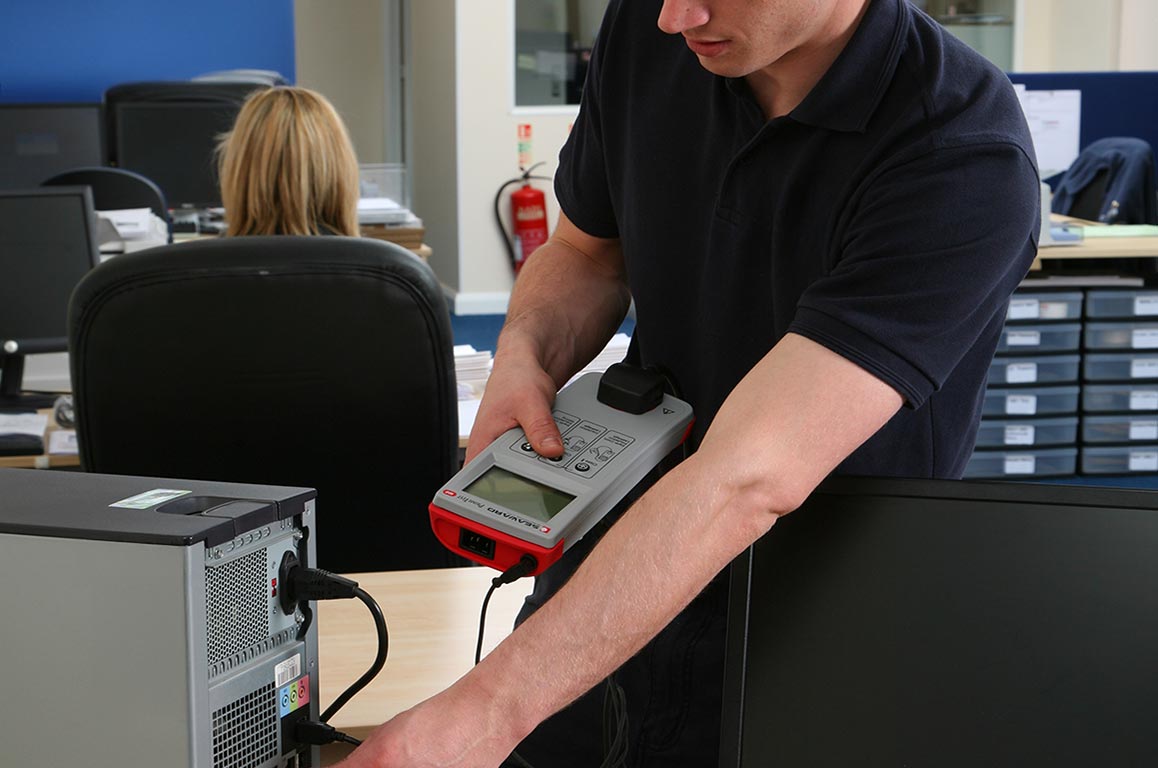
A PAT tester is responsible for inspecting electrical appliances and identifying potential safety issues before equipment is used in the workplace. This typically includes:
- Carrying out formal visual inspections
- Using PAT testing equipment to perform electrical tests
- Recording and interpreting results
- Labelling equipment as pass or fail
- Identifying faulty or unsafe appliances
- Advising on equipment that should be removed or repaired
In many cases, faults are identified during the visual inspection stage, making attention to detail a key part of the role.
Do You Need Qualifications to Become a PAT Tester?
There is no specific legal qualification required to become a PAT tester in the UK. However, employers and organisations must ensure that anyone carrying out testing is competent.
To achieve this competence, structured PAT testing training is strongly recommended. At our training centre, we offer two main routes:
- A 1-day PAT testing competency course, designed to give delegates the practical skills and confidence to carry out basic inspection and testing
- A City & Guilds 2377-77 qualification, for those requiring a formal, nationally recognised certification in in-service inspection and testing
Both courses are designed to develop the knowledge and practical ability needed to carry out PAT testing safely and correctly.
Who Is PAT Testing Training Suitable For?
PAT testing training is suitable for a wide range of roles and industries, including:
- Facilities managers
- Maintenance and site staff
- Health and safety personnel
- Landlords and property managers
- Construction and trade professionals
- Schools and educational institutions
- Anyone responsible for electrical equipment safety
- Individuals looking to start a PAT testing service
PAT Testing for Beginners
Many people with little or no previous electrical experience choose to attend PAT testing training so they can carry out testing in-house, helping reduce ongoing contractor costs while maintaining their own electrical equipment safely.
For beginners, a 1-day PAT testing competency course provides a practical introduction to PAT testing procedures, helping delegates build confidence in carrying out visual inspections, using PAT testing equipment, understanding appliance classes, and recording test results correctly.
PAT Testing for Electricians
Many electricians choose to add PAT testing to their existing skillset as an additional service for customers. PAT testing can complement electrical installation, inspection, and maintenance work, while also creating opportunities for repeat business through ongoing inspection and testing contracts.
For electricians, PAT testing training can provide a recognised route into in-service inspection and testing, while helping develop a clearer understanding of appliance testing procedures, record keeping, and workplace compliance requirements.
Both courses are suitable for electricians looking to add PAT testing to their services, although the City & Guilds 2377-77 provides a formal Level 3 qualification in the in-service inspection and testing of electrical equipment.
What Skills Do You Need?
While you do not need to be an electrician, PAT testing does require a basic understanding of electrical safety principles.
A competent PAT tester should be able to:
- Recognise electrical hazards
- Understand basic electrical terminology
- Carry out structured inspections and tests
- Interpret test results correctly
- Maintain accurate records
- Make informed decisions about equipment safety
Practical training plays a key role in developing these skills, particularly when working with different types of appliances and testing equipment.
What Is Covered on a PAT Testing Course?
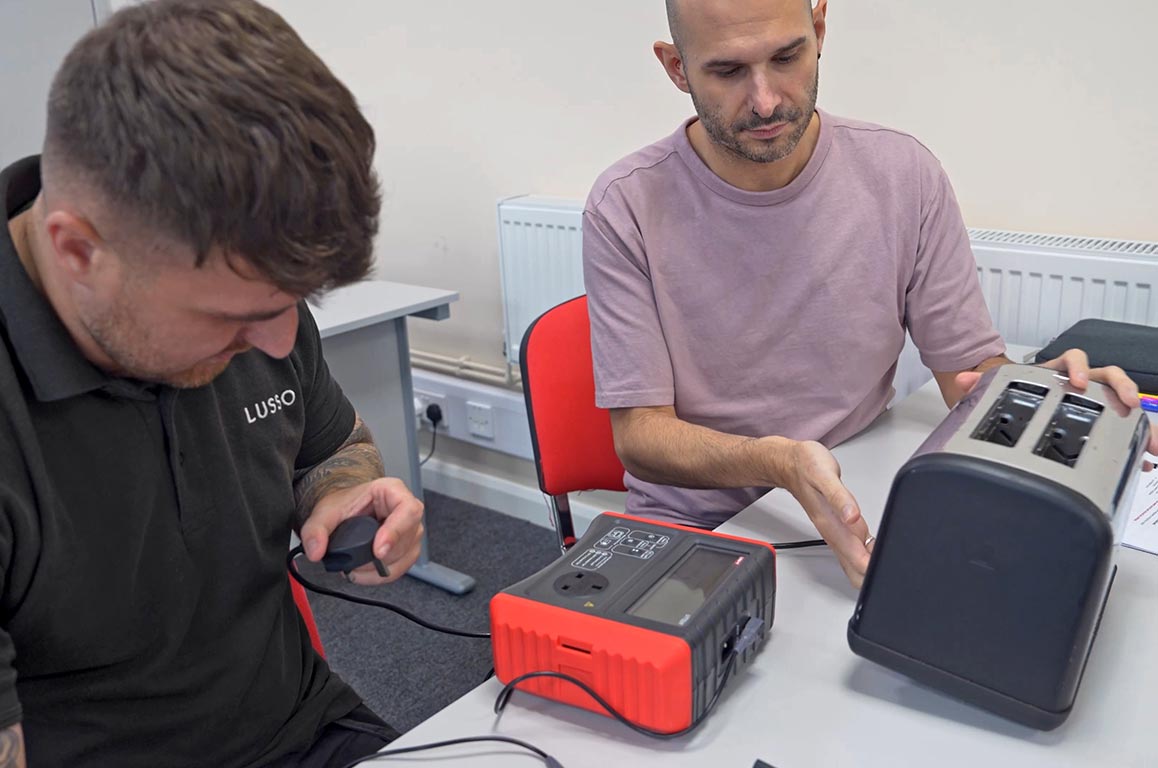
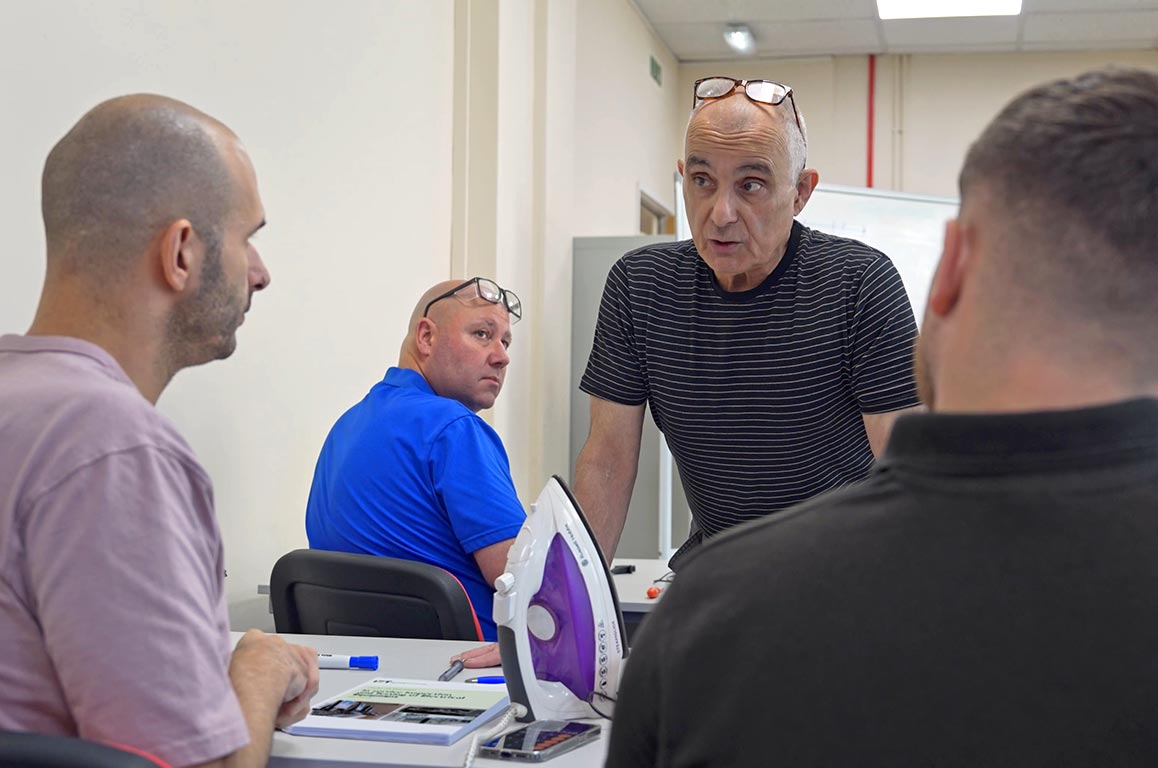
Our PAT testing courses are designed to provide both theoretical understanding and hands-on experience using professional PAT testing equipment.
Depending on the route chosen, training typically covers:
- Electrical safety principles and regulations
- Visual inspection techniques
- Appliance classification (Class I, II, etc.)
- User checks and routine inspection procedures
- Earth continuity, insulation resistance, and leakage testing
- Use of PAT testing equipment
- Interpreting results and fault identification
- Recording and documentation of test results
The PAT testing competency course focuses on practical, job-ready skills, while the City & Guilds 2377-77 qualification provides a more formal assessment route for those needing certified competence.
Can You Start a PAT Testing Business?
Yes. Many delegates complete PAT testing training with the intention of starting their own service.
With the right training, equipment, and understanding of workplace requirements, PAT testing can be operated as a standalone service or alongside other maintenance work. Those starting out will also need to consider:
- PAT testing equipment suitable for their workload
- Insurance requirements
- Record-keeping systems
- Testing frequencies and risk-based approaches
- Professional standards when working on-site
Is PAT Testing a Good Career?
PAT testing can offer a flexible and practical career path, either as part of an existing role or as a self-employed service.
Demand exists across many sectors, including offices, schools, hospitality, healthcare, and industrial environments where electrical equipment must be regularly checked and maintained.
PAT Testing Courses


PAT Tester FAQs
No. We provide PAT testing equipment during the course, allowing beginners to gain hands-on experience before purchasing their own tester.
Many people can develop the practical skills needed to carry out basic PAT testing within a 1 day PAT competency course or 2 day City & Guilds 2377-77 course.
However, ongoing experience and regular testing will help build confidence and competence over time.
Yes. Many businesses choose to train staff to carry out PAT testing internally rather than outsourcing the work, helping reduce ongoing contractor costs while maintaining workplace electrical safety procedures.
A 1-day PAT competency course is typically focused on practical competency and day-to-day testing procedures, whereas the City & Guilds 2377-77 qualification provides a formal Level 3 certification in the in-service inspection and testing of electrical equipment.
Take a look at both PAT testing courses to see more.
PAT testing is generally considered straightforward for most people once they understand the basic principles of electrical safety, appliance classes, visual inspections, and how to use PAT testing equipment correctly.
There is no specific law stating that PAT testing itself is required. However, employers have legal responsibilities under health and safety legislation to maintain electrical equipment in a safe condition.
Find out more about the legal requirements for PAT testing in our advice section.
Conclusion
Becoming a PAT tester does not require you to be a qualified electrician, but it does require competence, training, and an understanding of electrical safety principles.
Our PAT testing training courses, including the 1-day competency option and the City & Guilds 2377-77, are designed to provide the knowledge and practical skills needed to carry out inspection and testing confidently and correctly.