
ACS Gas Certification from LCL Awards
LCL Awards provides certification under the National Accredited Certification Scheme (ACS), the essential qualification for engineers aiming to register with the Gas Safe Register. At our Stevenage Gas Training Centre, we offer training across all major sectors, including domestic and commercial heating, catering, laundry, LPG, emergency services, and meter installation. Each ACS certificate is valid for five years, ensuring your skills and compliance stay current.
Level: Beginner | Experienced
 LCL Awards DNGA3 Managed Learning Programme for Domestic Natural Gas Appliances Course
£5995
£7194
View Course
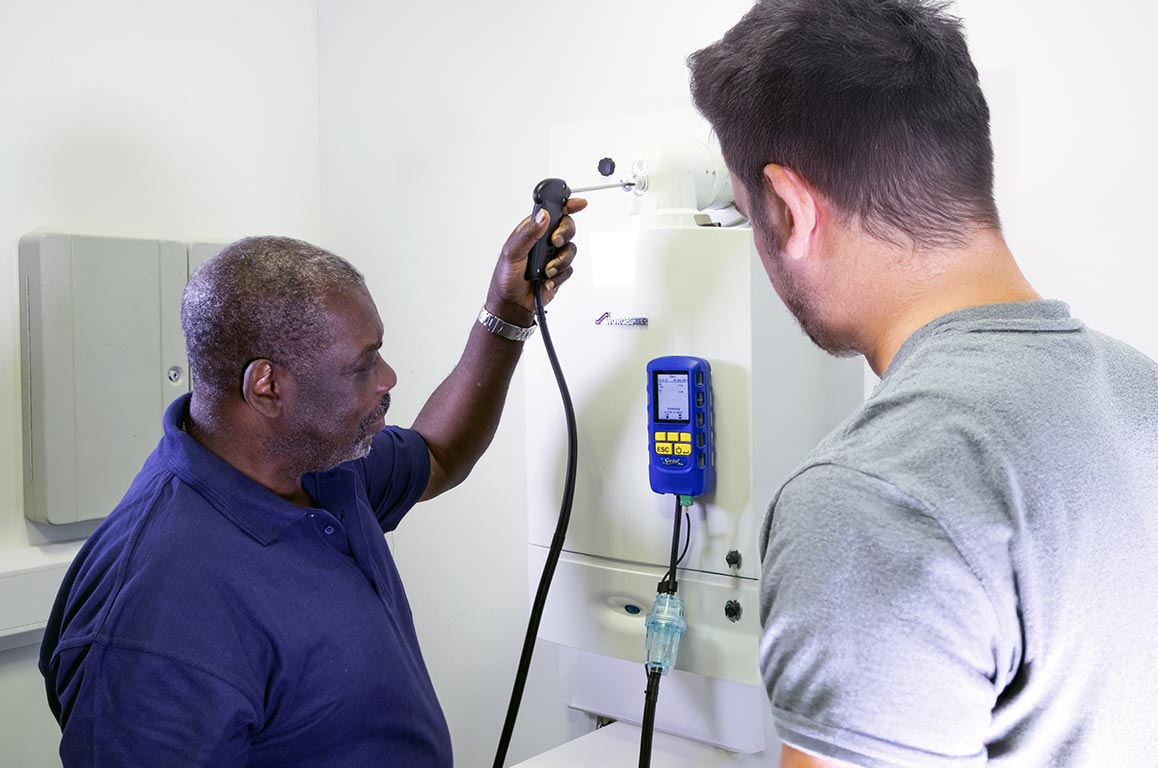
LCL Awards DNGA3 Managed Learning Programme for Domestic Natural Gas Appliances Course
£5995
£7194
View Course

 LCL Awards IMPHS Installation & Maintenance of Plumbing & Heating Systems Course
£3750
£4500
View Course
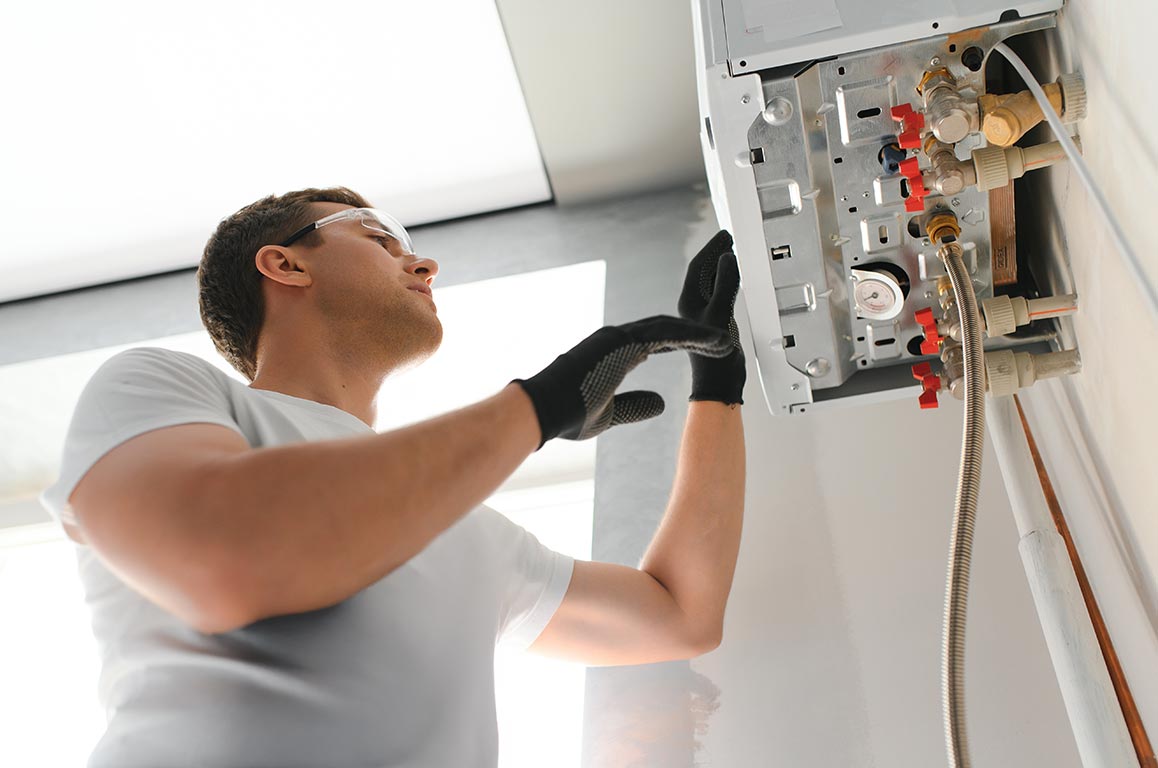
LCL Awards IMPHS Installation & Maintenance of Plumbing & Heating Systems Course
£3750
£4500
View Course
 LCL Awards CCN1 Core Domestic Natural Gas Safety + CENWAT1, CKR1, HTR1 Course
£995
£1194
View Course
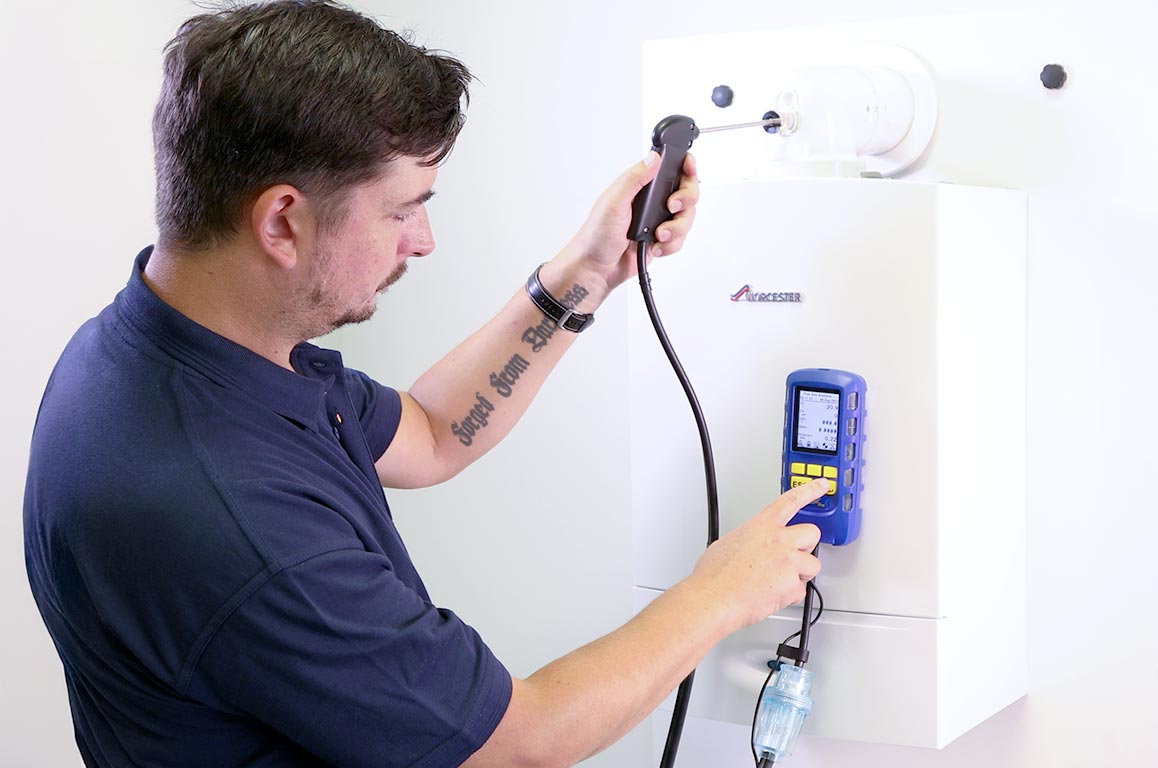
LCL Awards CCN1 Core Domestic Natural Gas Safety + CENWAT1, CKR1, HTR1 Course
£995
£1194
View Course
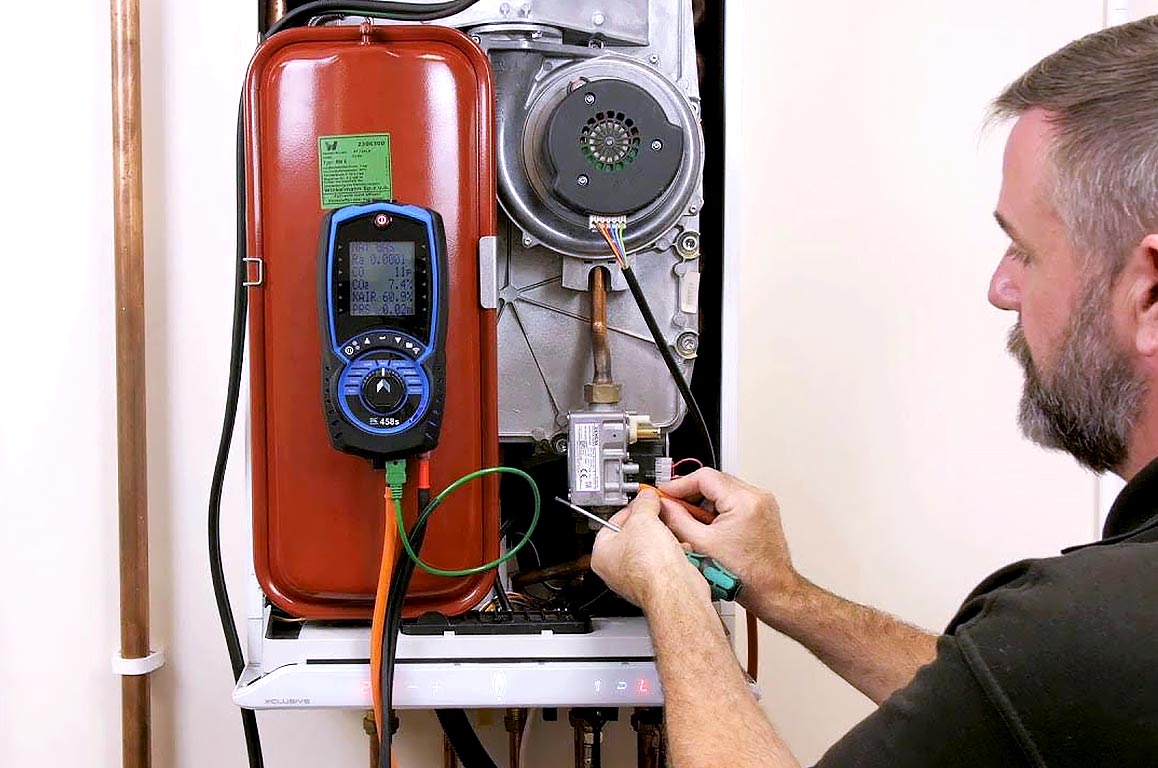 LCL Awards CENWAT1 Domestic Central Heating Boilers & Water Heaters Course
£195
£234
View Course
LCL Awards CENWAT1 Domestic Central Heating Boilers & Water Heaters Course
£195
£234
View Course
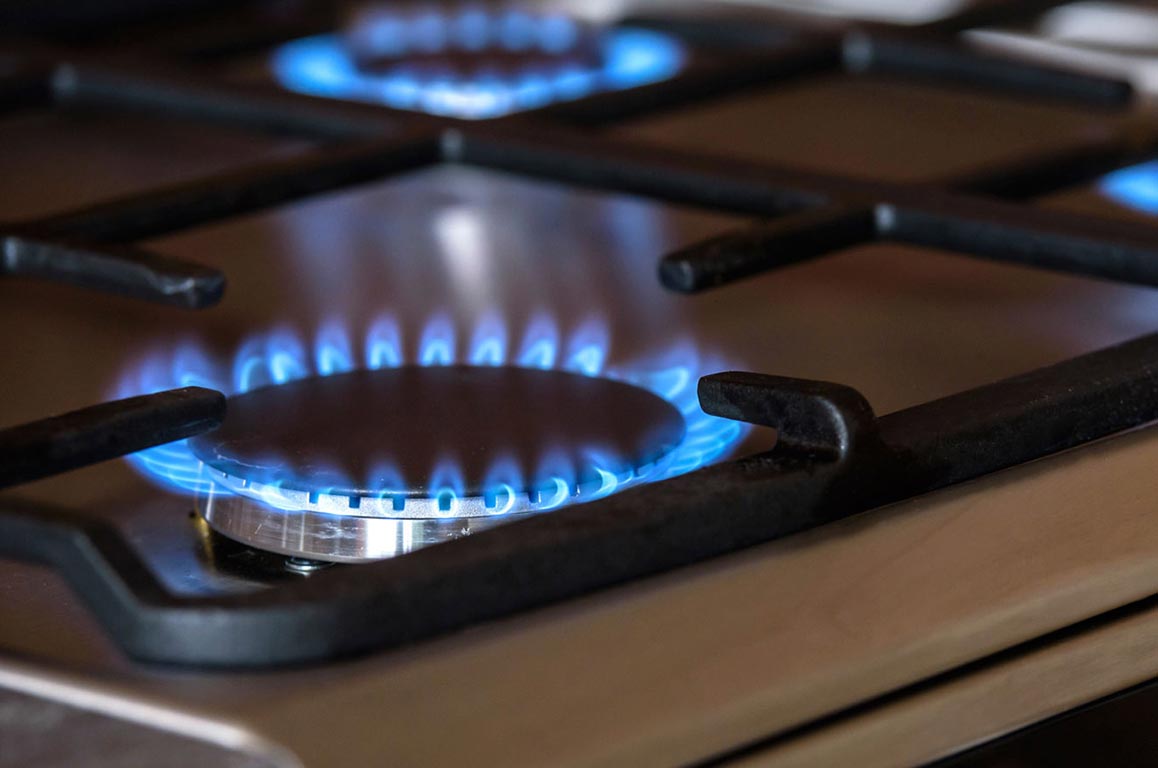 LCL Awards CKR1 Domestic Gas Cookers Course
£195
£234
View Course
LCL Awards CKR1 Domestic Gas Cookers Course
£195
£234
View Course
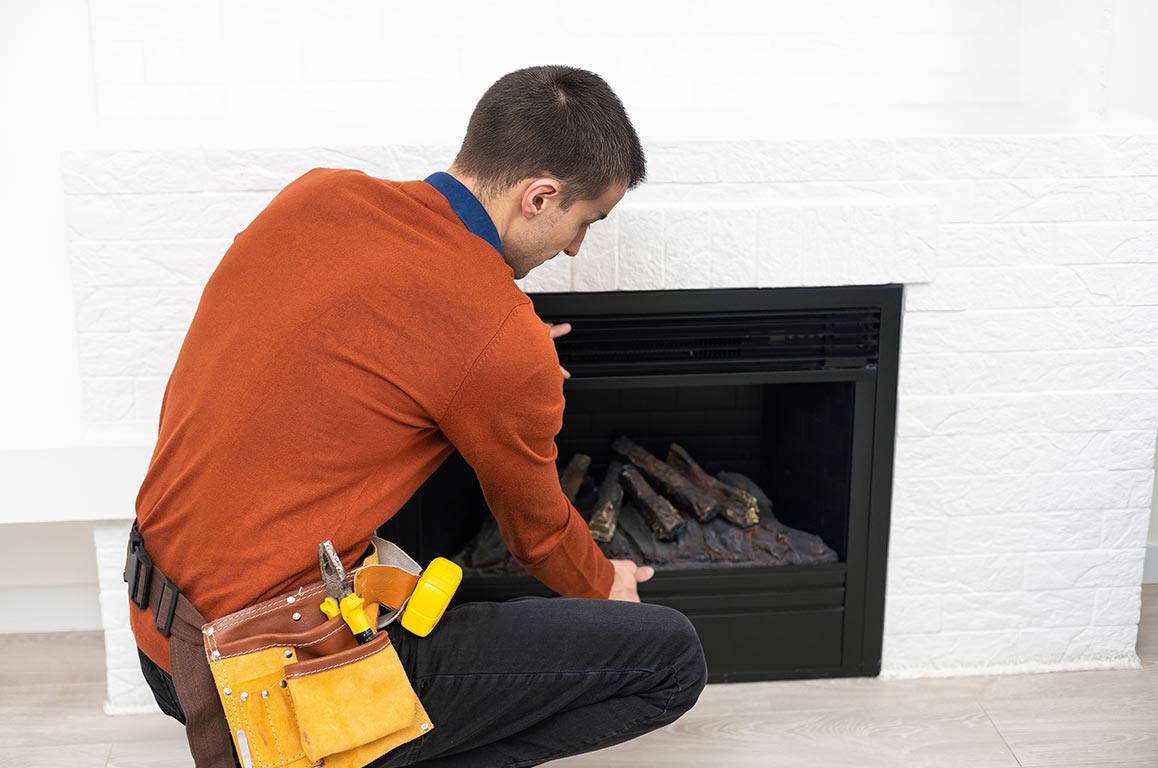 LCL Awards HTR1 Domestic Fires & Wall Heaters (Natural Gas) Course
£195
£234
View Course
LCL Awards HTR1 Domestic Fires & Wall Heaters (Natural Gas) Course
£195
£234
View Course
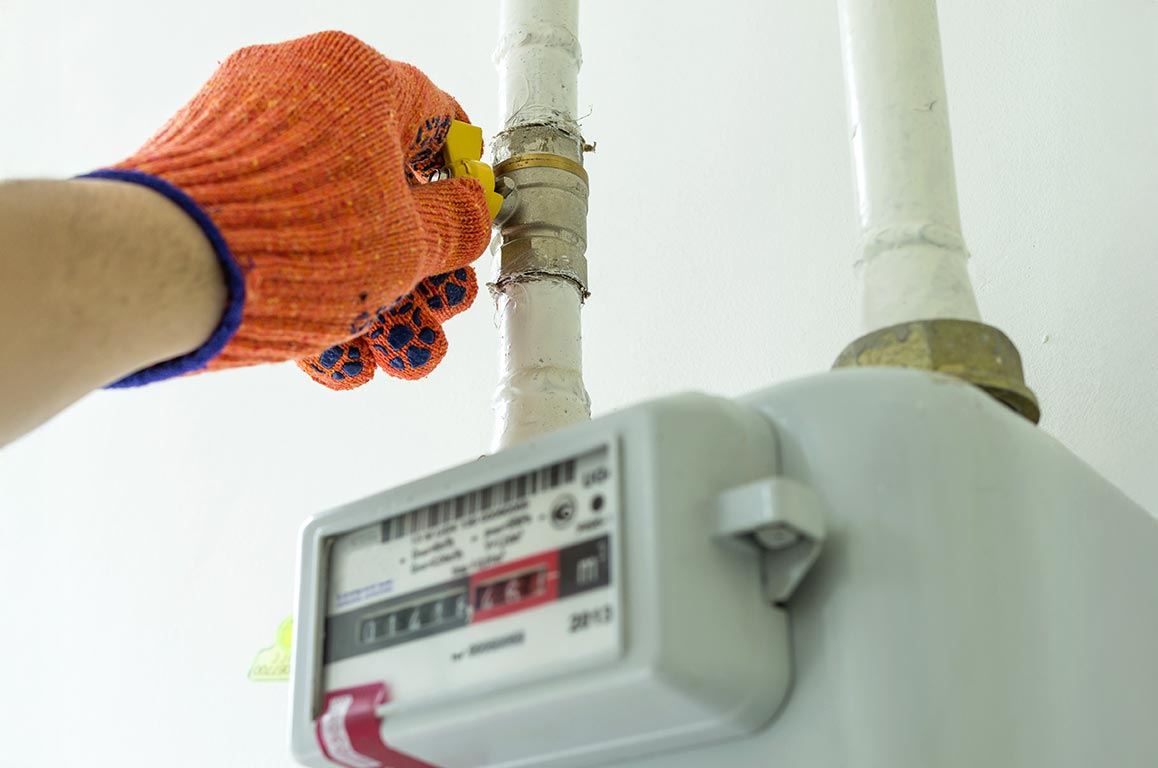 LCL Awards MET1 Domestic Meters up to U16 (Natural Gas) Course
£195
£234
View Course
LCL Awards MET1 Domestic Meters up to U16 (Natural Gas) Course
£195
£234
View Course
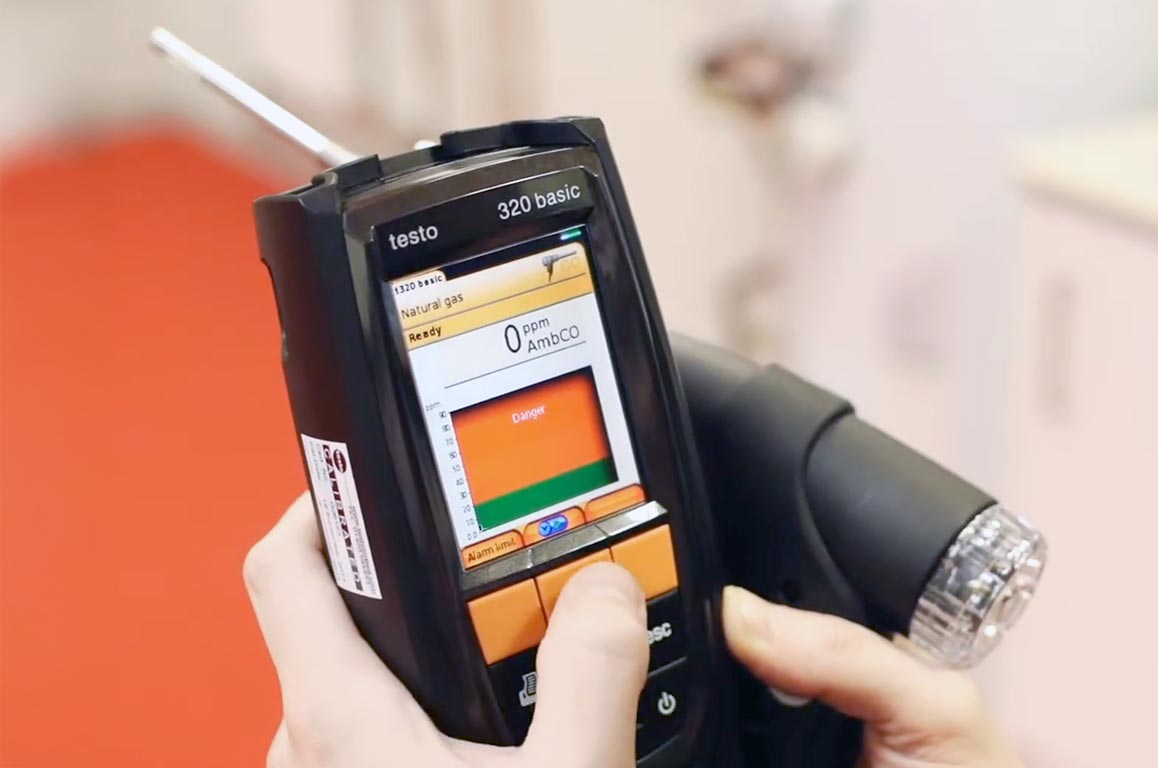 LCL Awards CMDDA1 Domestic CO/CO2 Atmosphere & Appliance Testing (Natural Gas) Course
£550
£660
View Course
LCL Awards CMDDA1 Domestic CO/CO2 Atmosphere & Appliance Testing (Natural Gas) Course
£550
£660
View Course
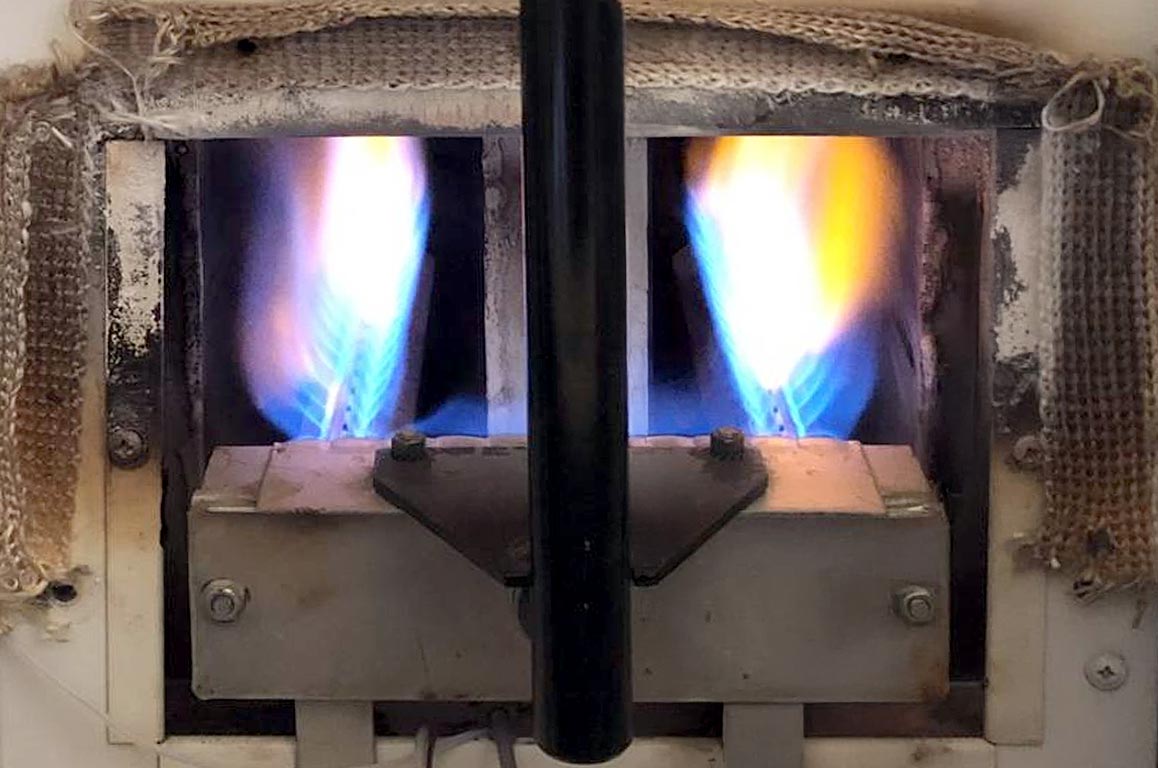 LCL Awards DAH1 Domestic Direct Air & Warm Air Heaters (Natural Gas) Course
£195
£234
View Course
LCL Awards DAH1 Domestic Direct Air & Warm Air Heaters (Natural Gas) Course
£195
£234
View Course
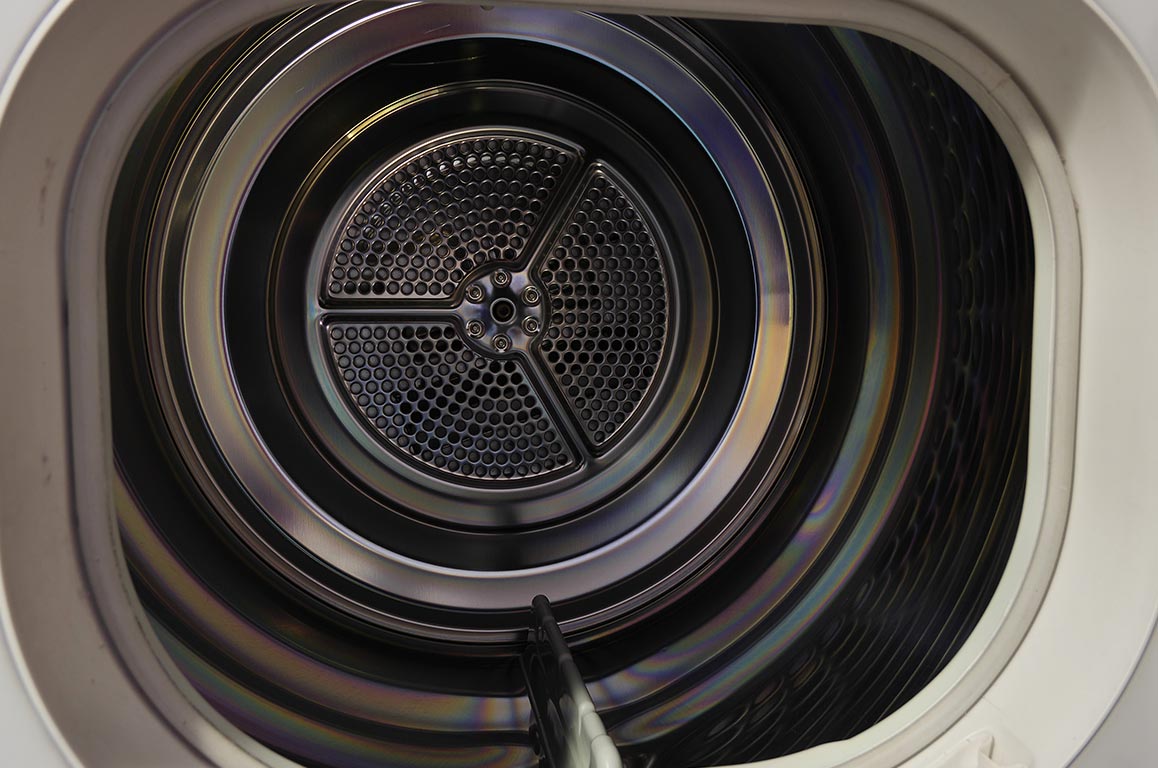 LCL Awards LAU1 Domestic Tumble Dryers & Laundry Appliances (Natural Gas) Course
£195
£234
View Course
LCL Awards LAU1 Domestic Tumble Dryers & Laundry Appliances (Natural Gas) Course
£195
£234
View Course
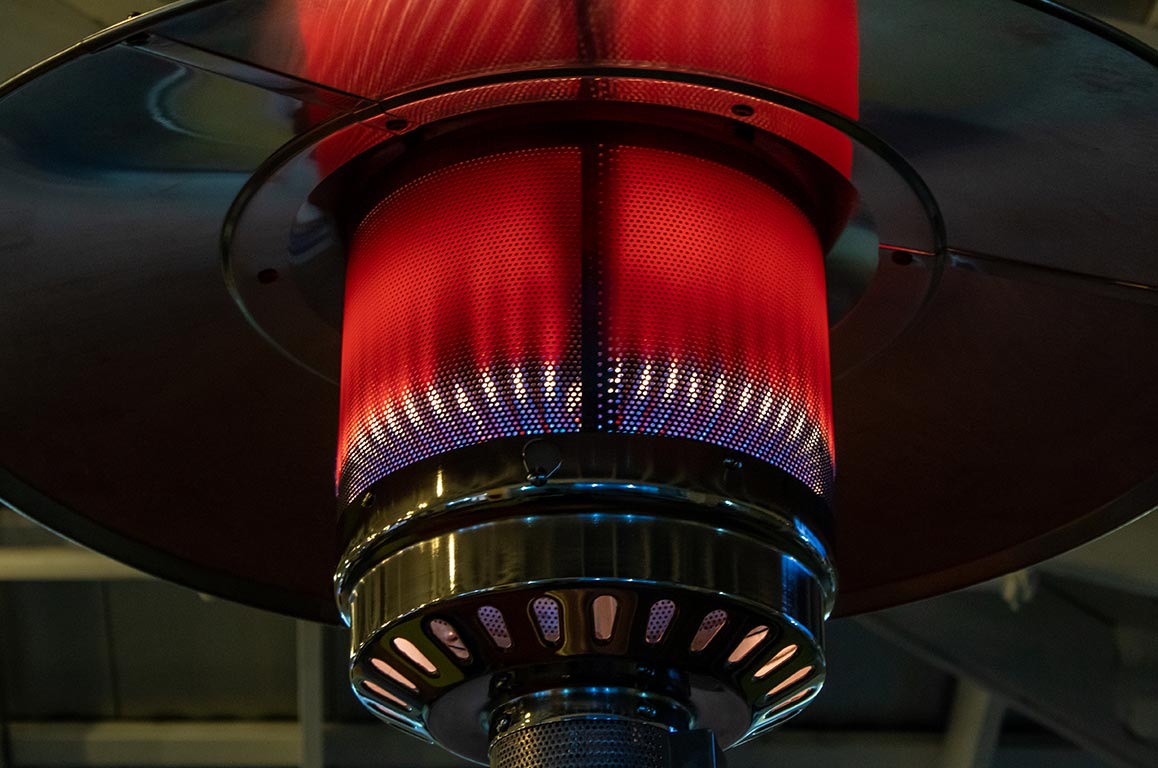 LCL Awards LEI1 Domestic Leisure Equipment, Patio Heaters & BBQs (Natural Gas) Course
£195
£234
View Course
LCL Awards LEI1 Domestic Leisure Equipment, Patio Heaters & BBQs (Natural Gas) Course
£195
£234
View Course
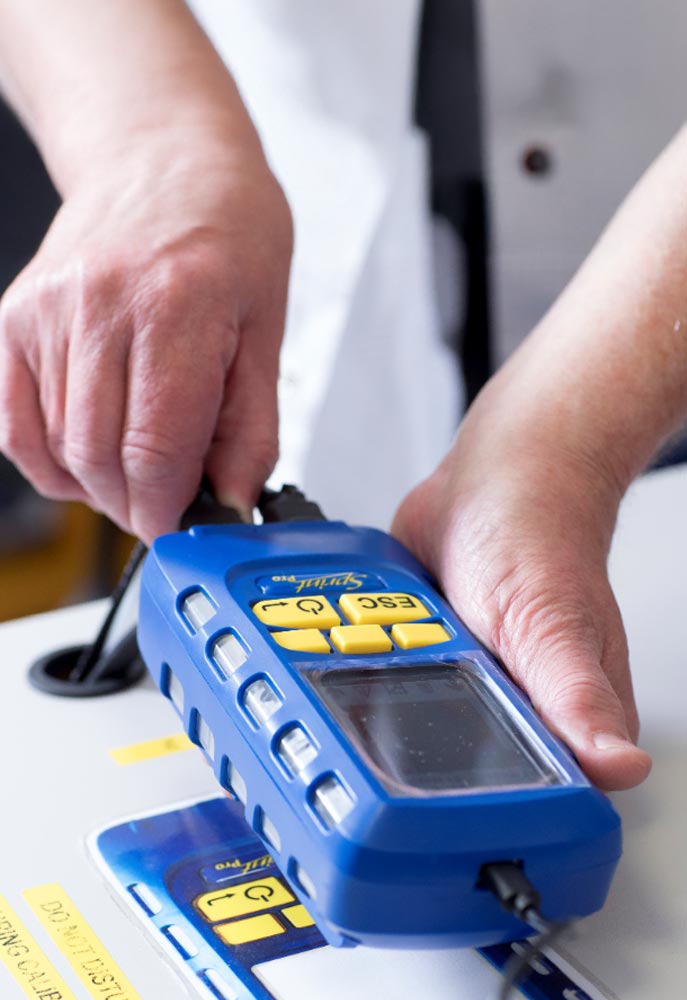 Did you Know That We Calibrate Gas Equipment?
We are an approved service centre for Anton, Kane, Testo, TPI, and Sauermann. From manometers to flue gas analysers, we calibrate it all.
More Info
Did you Know That We Calibrate Gas Equipment?
We are an approved service centre for Anton, Kane, Testo, TPI, and Sauermann. From manometers to flue gas analysers, we calibrate it all.
More Info
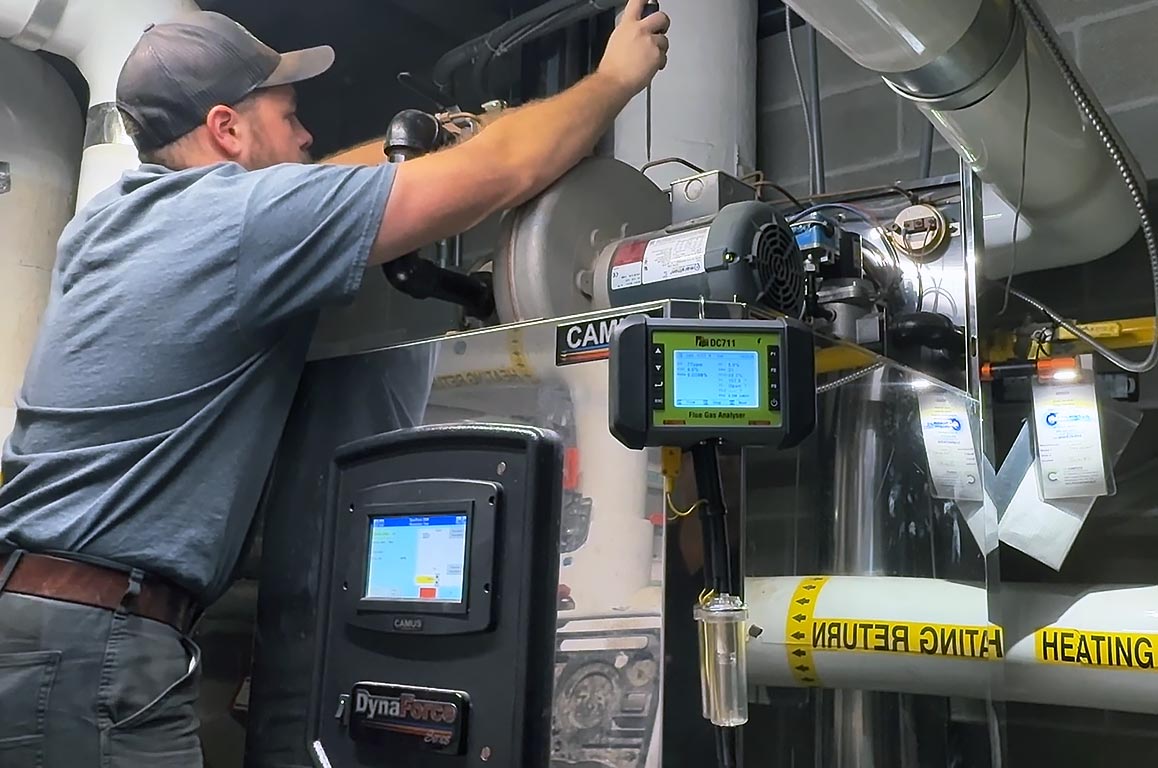 LCL Awards CODNCO1 Changeover Domestic to Commercial Natural Gas Appliances Course
£1250
£1500
View Course
LCL Awards CODNCO1 Changeover Domestic to Commercial Natural Gas Appliances Course
£1250
£1500
View Course
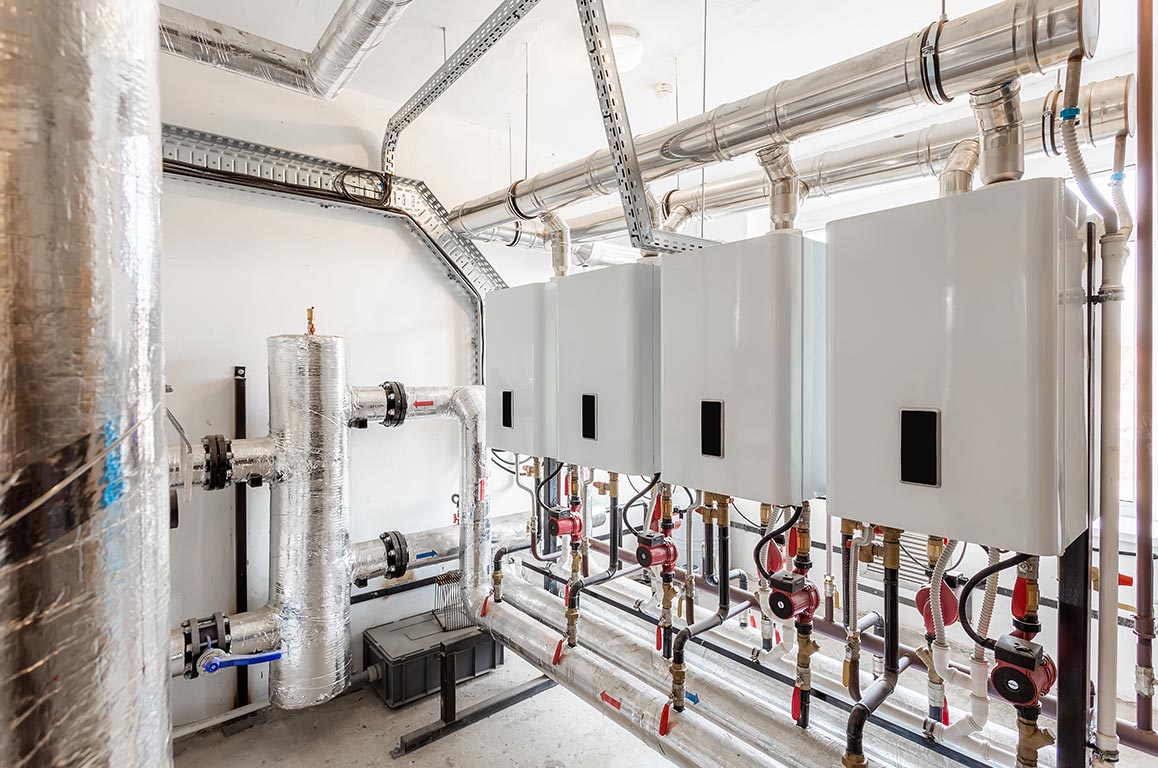 LCL Awards CIGA1 Commercial Indirect Fired Gas Appliances (Natural Gas & LPG) Course
£195
£234
View Course
LCL Awards CIGA1 Commercial Indirect Fired Gas Appliances (Natural Gas & LPG) Course
£195
£234
View Course
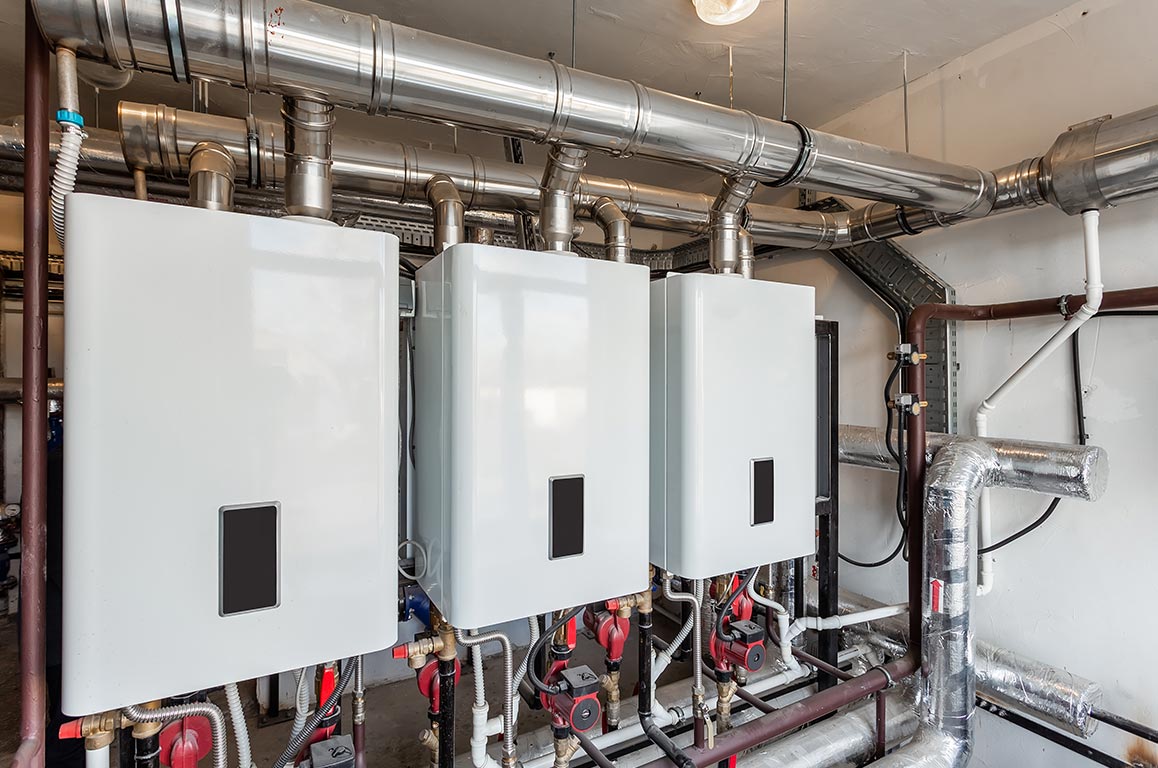 LCL Awards CDGA1 Commercial Direct Fired Heating Appliances (Natural Gas) Course
£195
£234
View Course
LCL Awards CDGA1 Commercial Direct Fired Heating Appliances (Natural Gas) Course
£195
£234
View Course
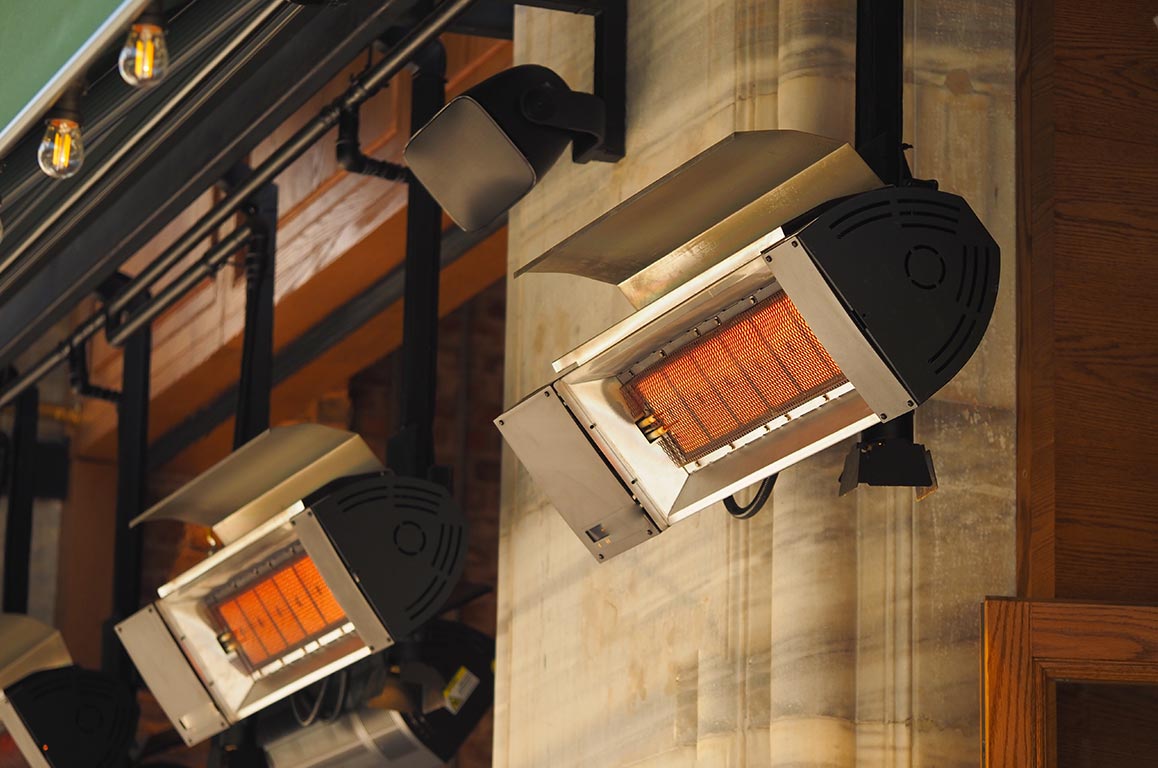 LCL Awards CORT1 Commercial Radiant Tubes & Plaque Heaters Course
£195
£234
View Course
LCL Awards CORT1 Commercial Radiant Tubes & Plaque Heaters Course
£195
£234
View Course
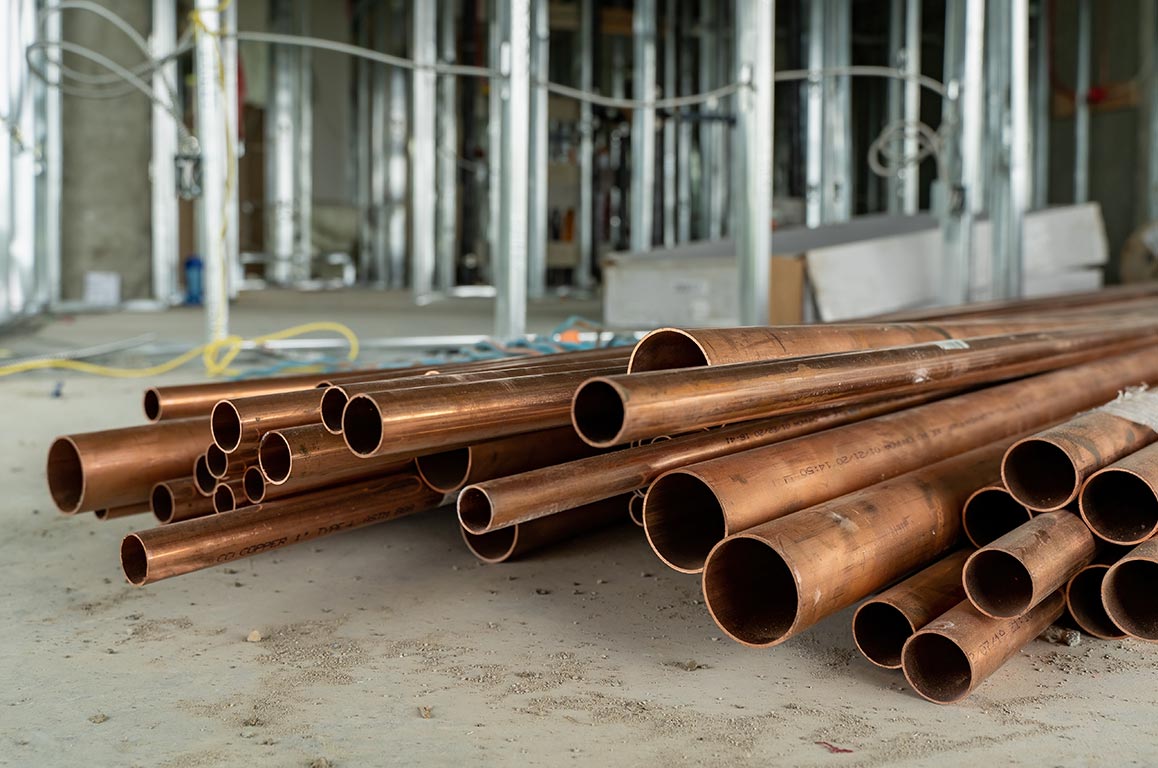 LCL Awards ICPN1 Commercial Installation of First Fix Pipework Over 35mm (Natural Gas & LPG) Course
£195
£234
View Course
LCL Awards ICPN1 Commercial Installation of First Fix Pipework Over 35mm (Natural Gas & LPG) Course
£195
£234
View Course
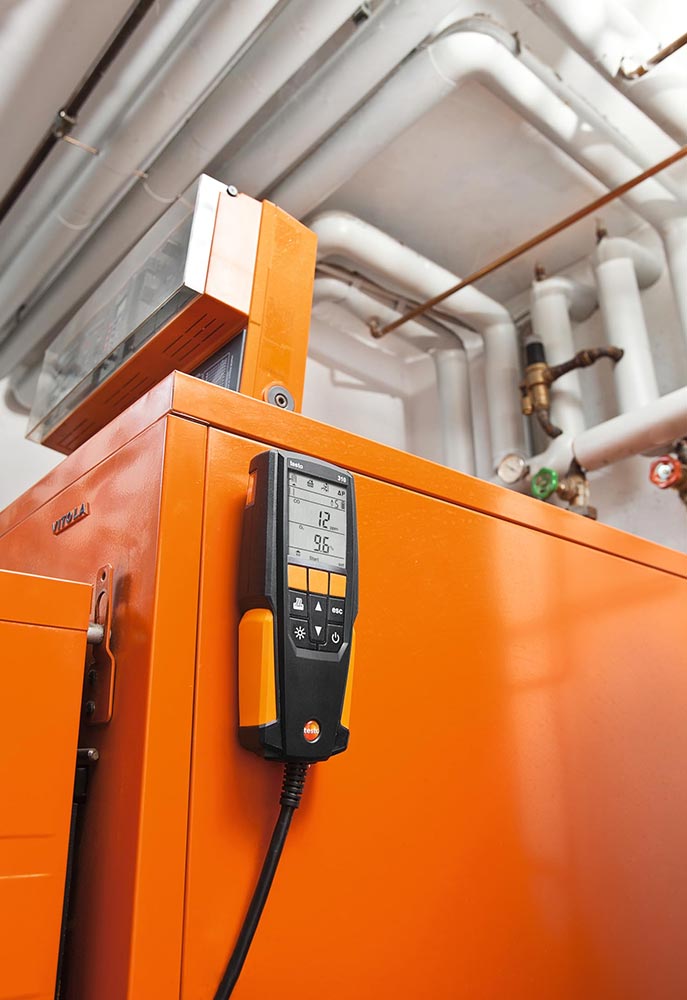 Looking for Gas Equipment?
We are an approved stockist and service centre for Anton, Kane, Testo, TPI, and Sauermann. In addition, we stock quality tools from Rothenberger and Monument.
Shop Now
Looking for Gas Equipment?
We are an approved stockist and service centre for Anton, Kane, Testo, TPI, and Sauermann. In addition, we stock quality tools from Rothenberger and Monument.
Shop Now
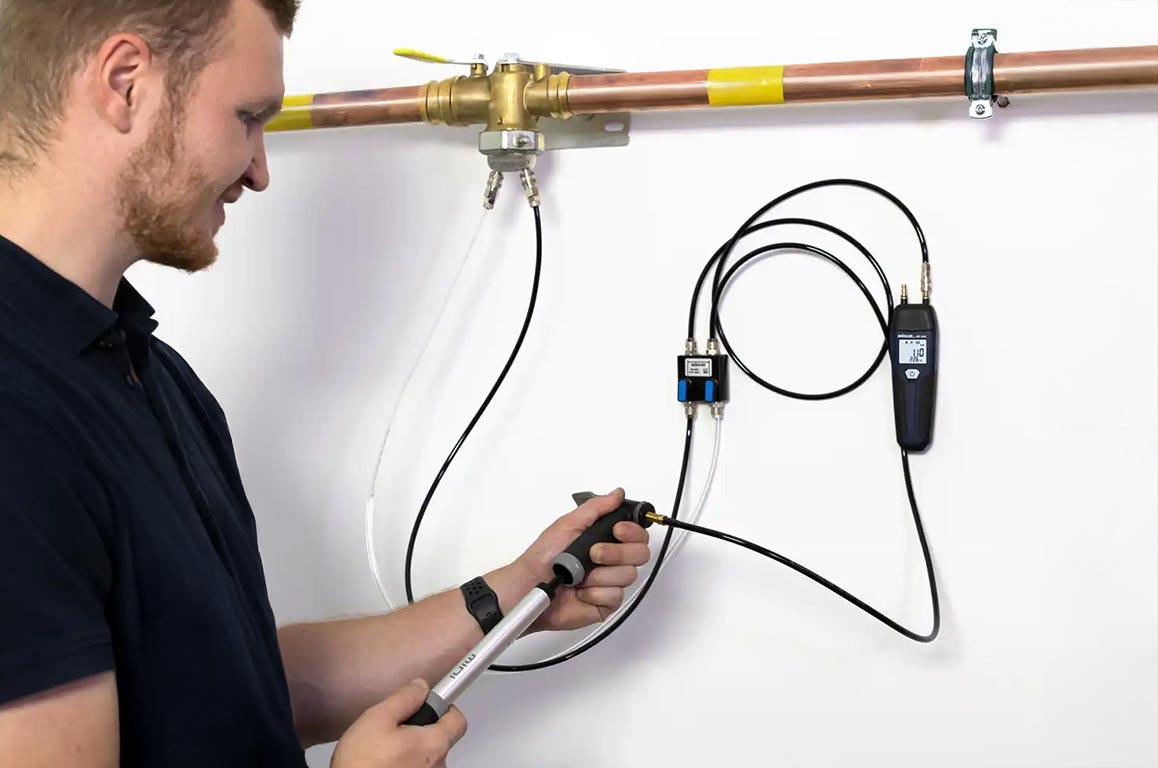 LCL Awards TPCP1A Commercial Testing & Purging Pipework up to 40mbar & 150mm Course
£175
£210
View Course
LCL Awards TPCP1A Commercial Testing & Purging Pipework up to 40mbar & 150mm Course
£175
£210
View Course
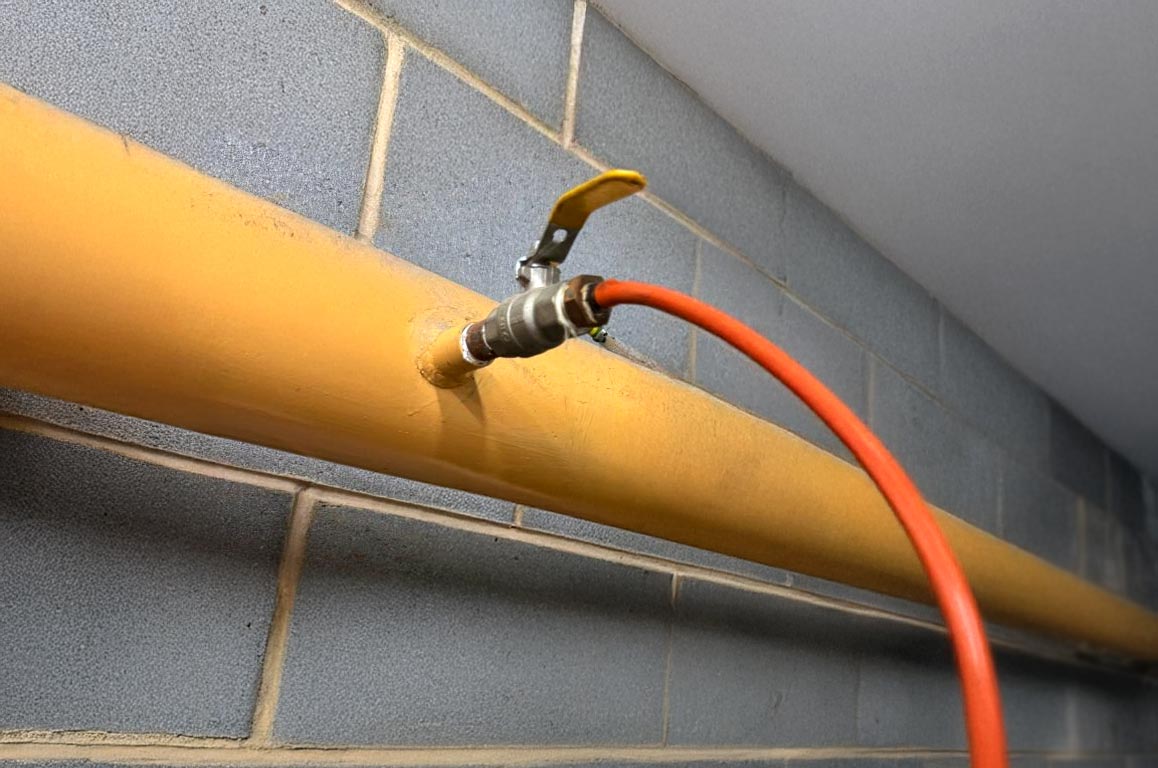 LCL Awards TPCP1 Commercial Testing & Purging Pipework 1m³, 16bar & LPG Course
£225
£270
View Course
LCL Awards TPCP1 Commercial Testing & Purging Pipework 1m³, 16bar & LPG Course
£225
£270
View Course
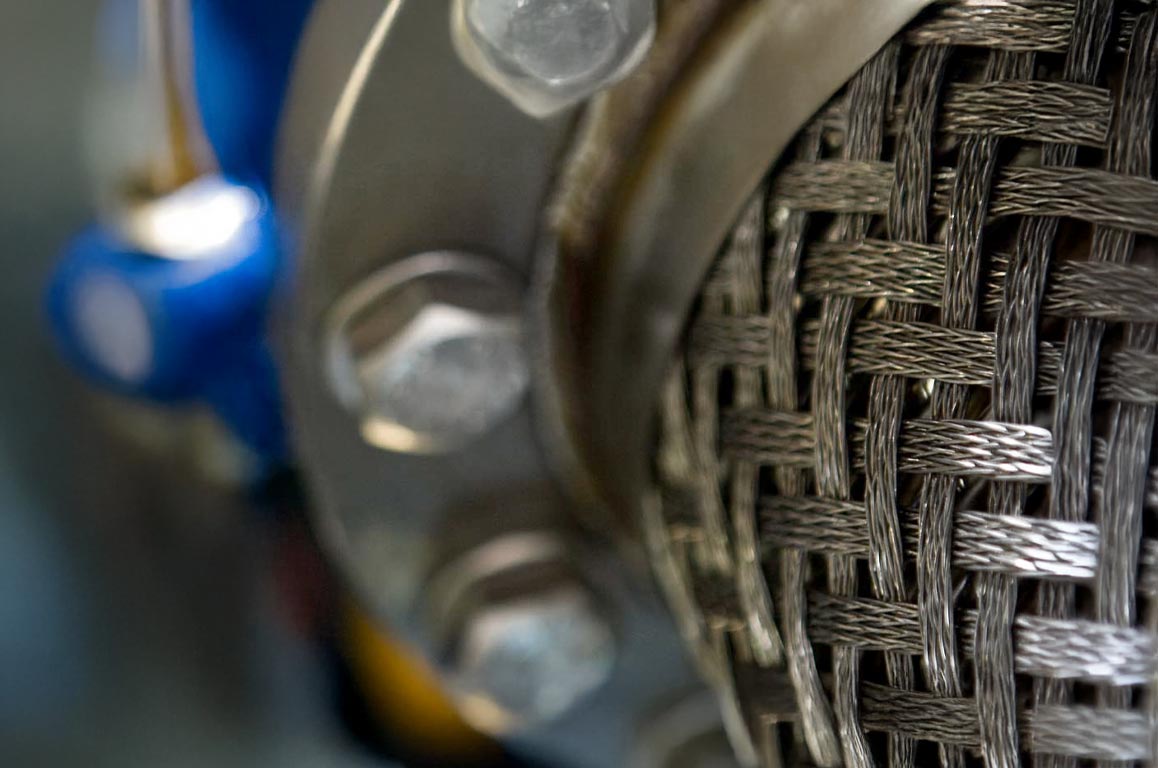 LCL Awards BMP1 Commercial Gas Boosters Training Course
£195
£234
View Course
LCL Awards BMP1 Commercial Gas Boosters Training Course
£195
£234
View Course
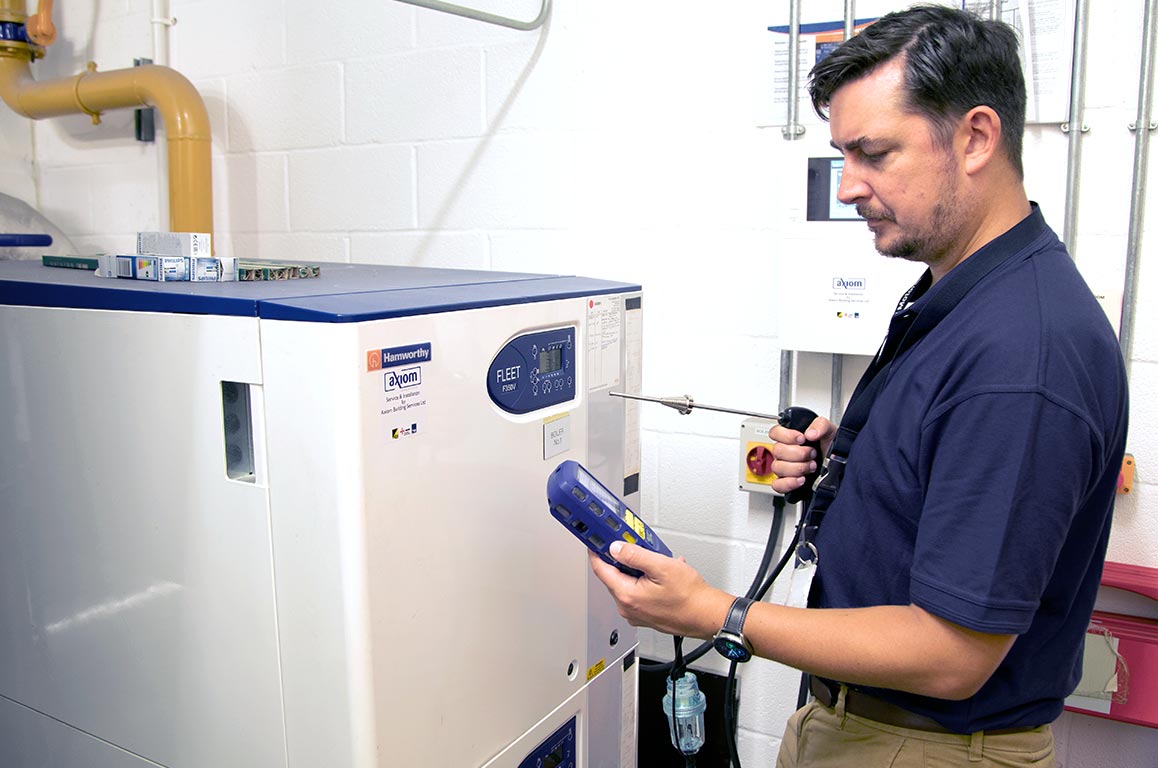 LCL Awards CCCN1 Core Commercial Catering Natural Gas Safety & Appliances Course
£750
£900
View Course
LCL Awards CCCN1 Core Commercial Catering Natural Gas Safety & Appliances Course
£750
£900
View Course
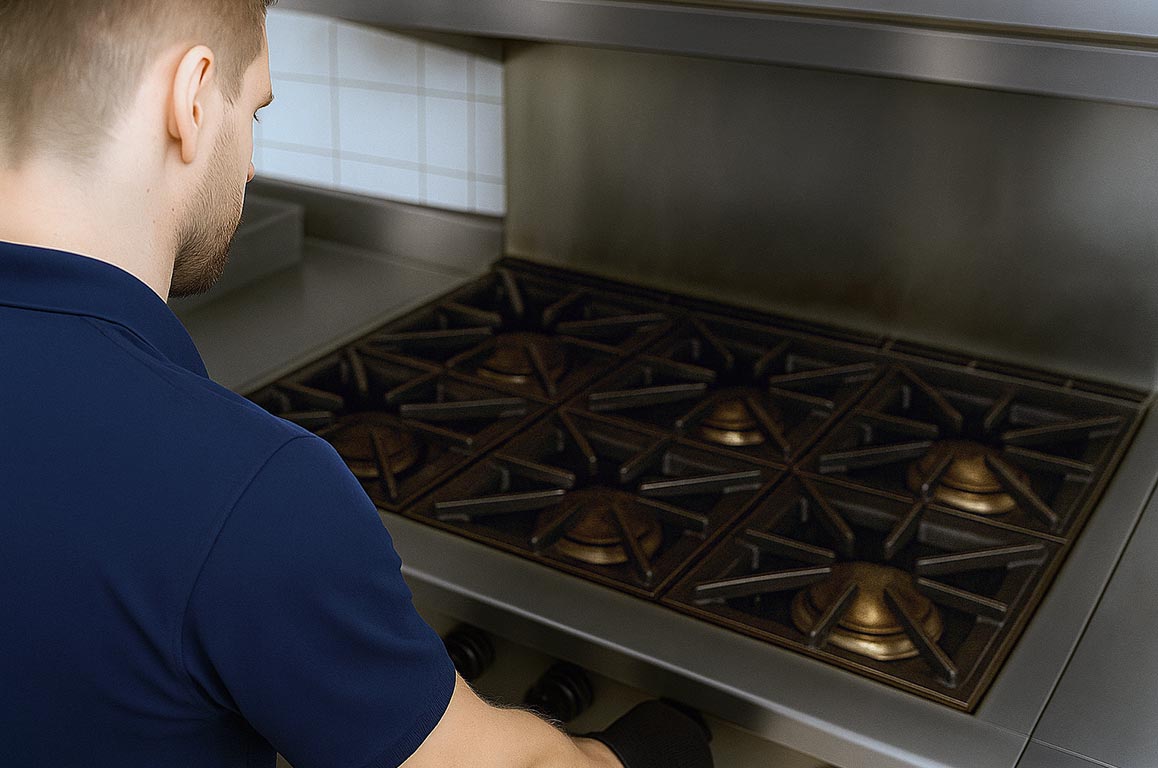 LCL Awards COCATA1 Changeover Domestic to Commercial Catering Natural Gas Appliances Course
£750
£900
View Course
LCL Awards COCATA1 Changeover Domestic to Commercial Catering Natural Gas Appliances Course
£750
£900
View Course
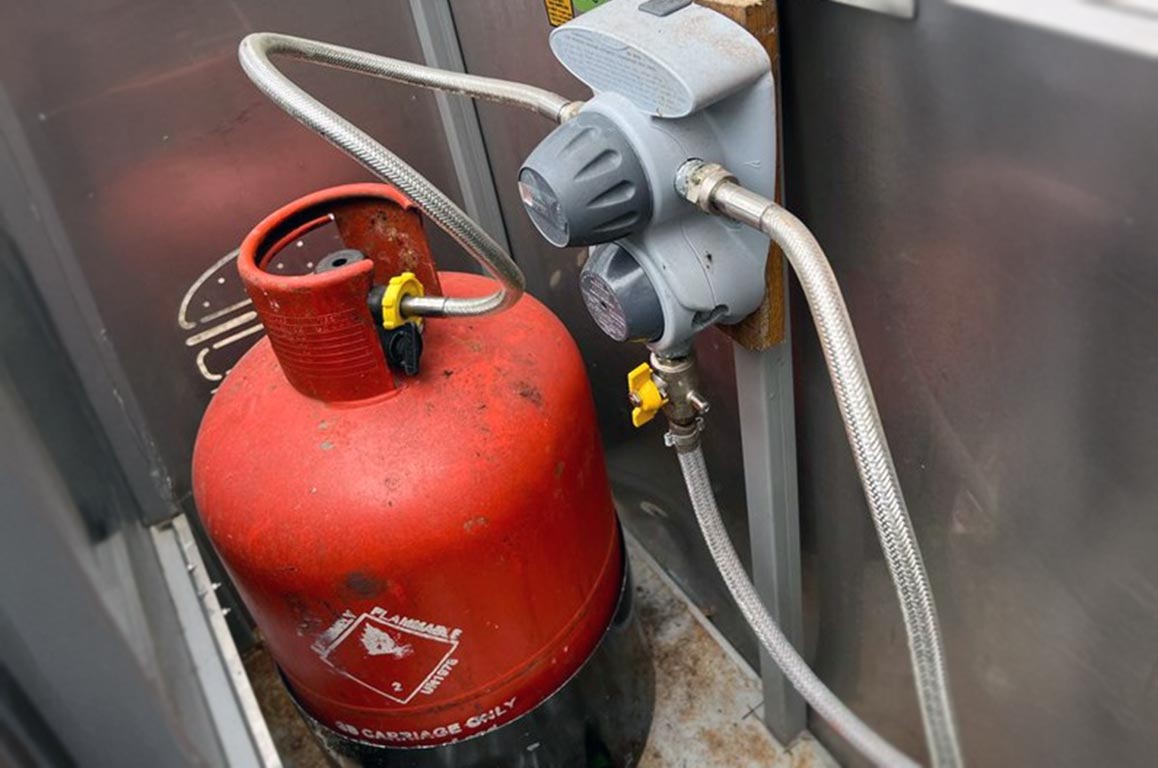 LCL Awards CMC1 Commercial Mobile Catering Appliances (Natural Gas) Course
£250
£300
View Course
LCL Awards CMC1 Commercial Mobile Catering Appliances (Natural Gas) Course
£250
£300
View Course
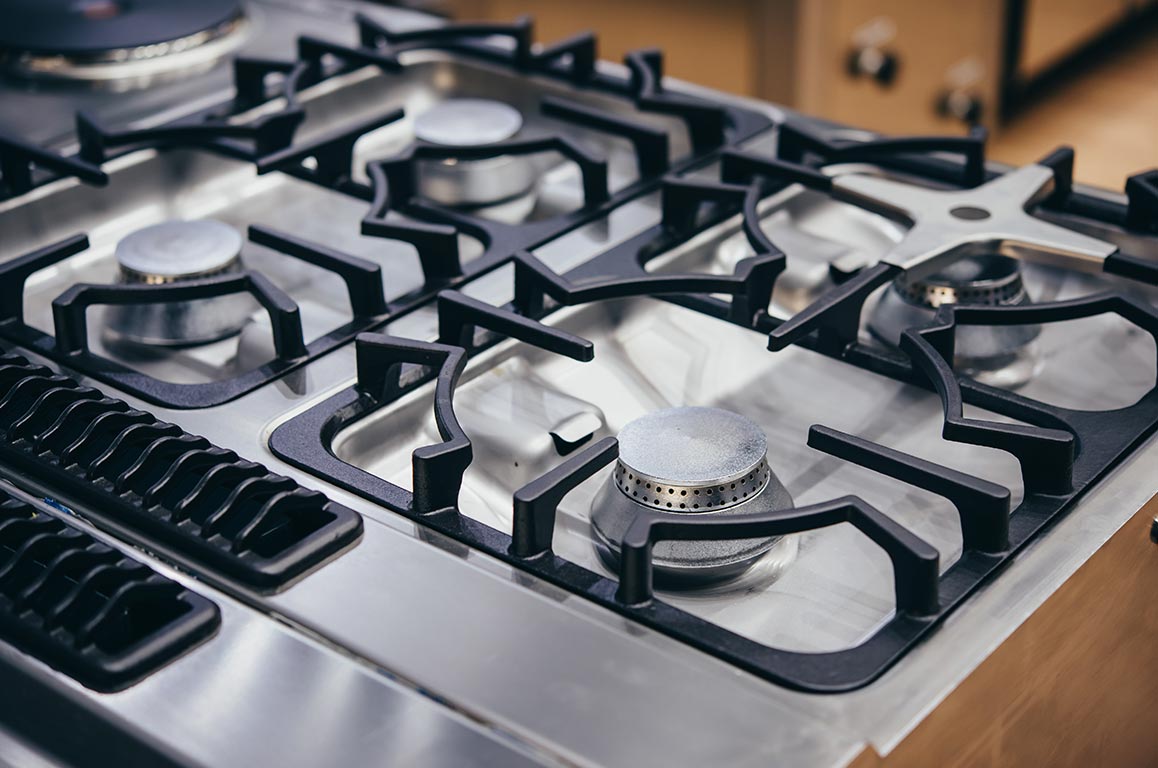 LCL Awards COMCAT1 Commercial Catering Appliances, Burners & Hotplates (Natural Gas) Course
£250
£300
View Course
LCL Awards COMCAT1 Commercial Catering Appliances, Burners & Hotplates (Natural Gas) Course
£250
£300
View Course
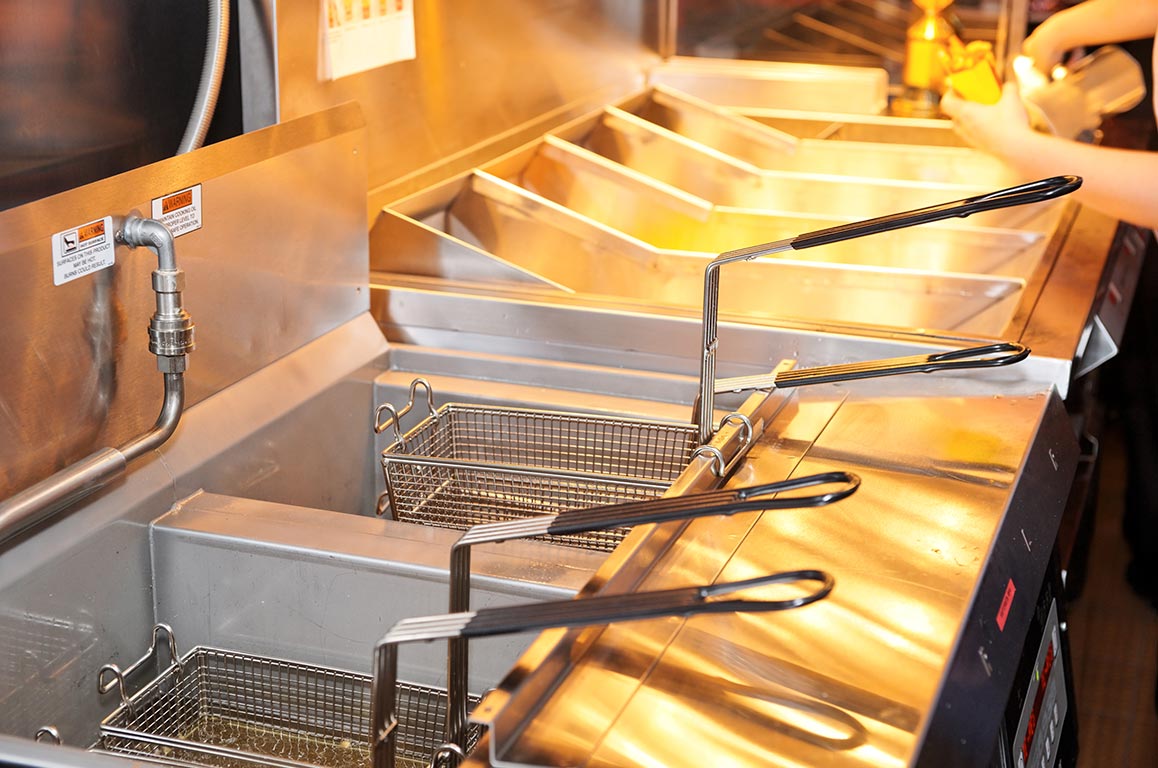 LCL Awards COMCAT3 Commercial Catering Appliances, Fryers & Grills (Natural Gas) Course
£250
£300
View Course
Did you Know That We Calibrate Gas Equipment?
We are an approved service centre for Anton, Kane, Testo, TPI, and Sauermann. From manometers to flue gas analysers, we calibrate it all.
More Info
LCL Awards COMCAT3 Commercial Catering Appliances, Fryers & Grills (Natural Gas) Course
£250
£300
View Course
Did you Know That We Calibrate Gas Equipment?
We are an approved service centre for Anton, Kane, Testo, TPI, and Sauermann. From manometers to flue gas analysers, we calibrate it all.
More Info
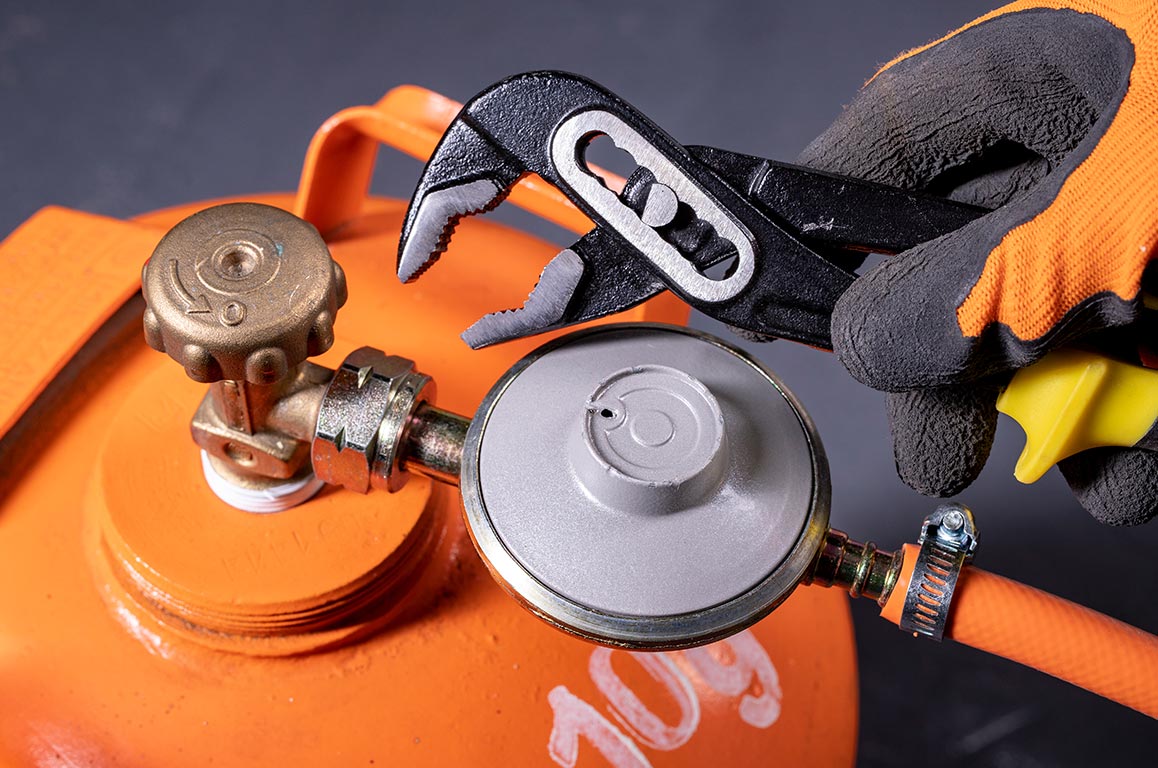 LCL Awards CONGLP1 Changeover Natural Gas to LPG Appliances (Inc. Permanent Dwellings) Course
£460
£552
View Course
LCL Awards CONGLP1 Changeover Natural Gas to LPG Appliances (Inc. Permanent Dwellings) Course
£460
£552
View Course
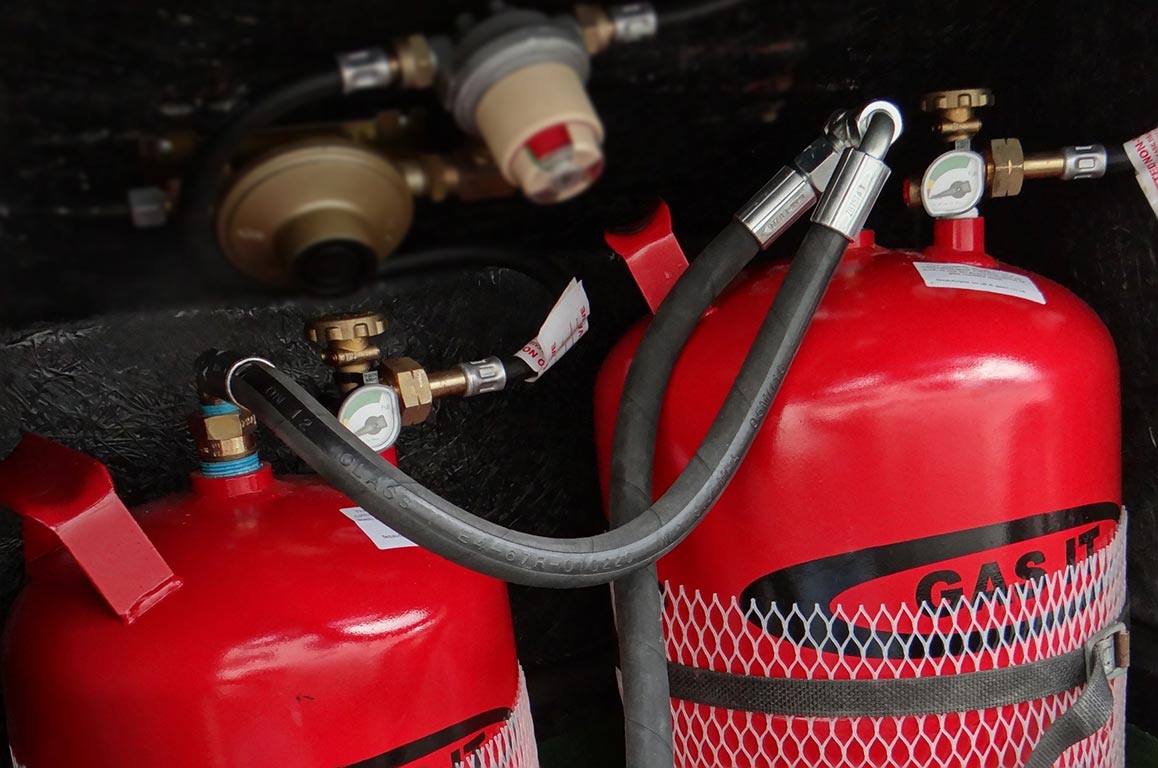 LCL Awards CONGLP1-LAV LPG Leisure Accommodation Vehicle (Movable) Appliances Course
£125
£150
View Course
LCL Awards CONGLP1-LAV LPG Leisure Accommodation Vehicle (Movable) Appliances Course
£125
£150
View Course
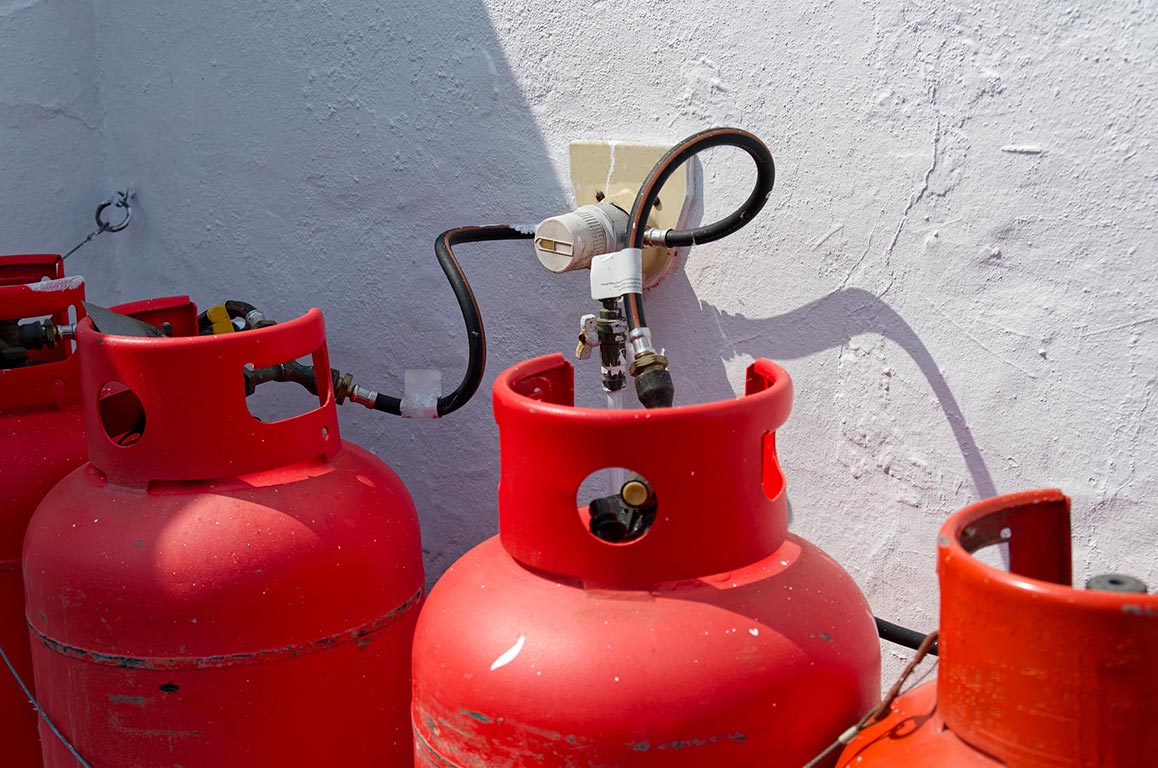 LCL Awards CONGLP1-PD LPG Permanent Dwelling Appliances Course
£125
£150
View Course
LCL Awards CONGLP1-PD LPG Permanent Dwelling Appliances Course
£125
£150
View Course
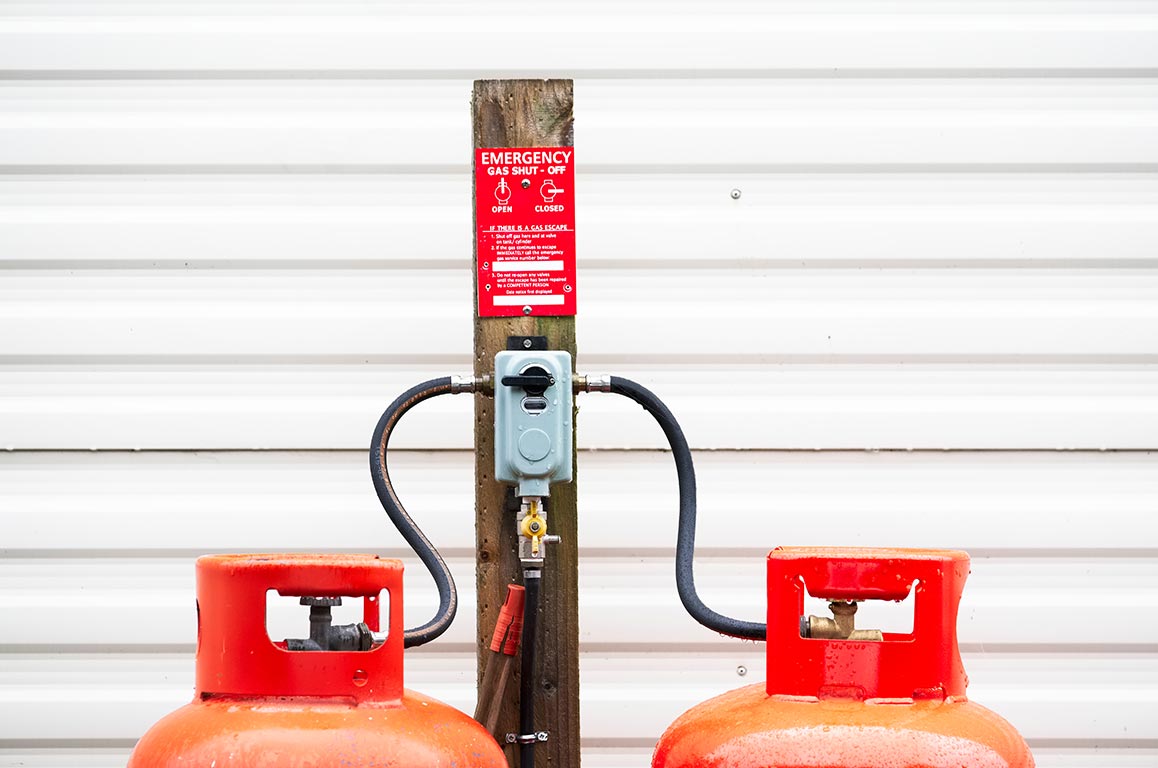 LCL Awards CONGLP1-RPH LPG Residential Park Home (Static) Appliances Course
£125
£150
View Course
LCL Awards CONGLP1-RPH LPG Residential Park Home (Static) Appliances Course
£125
£150
View Course
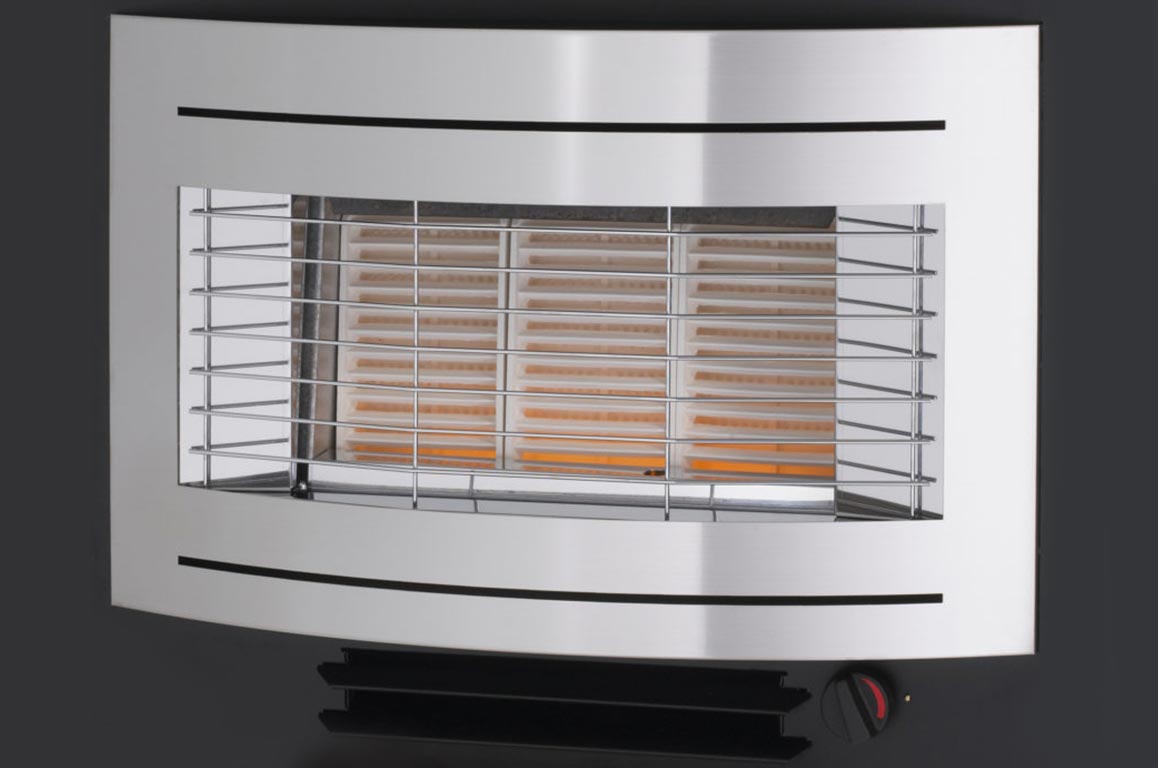 LCL Awards HTRLP2 LPG Fires & Wall Heaters (Typically Caravan) Course
£125
£150
View Course
LCL Awards HTRLP2 LPG Fires & Wall Heaters (Typically Caravan) Course
£125
£150
View Course
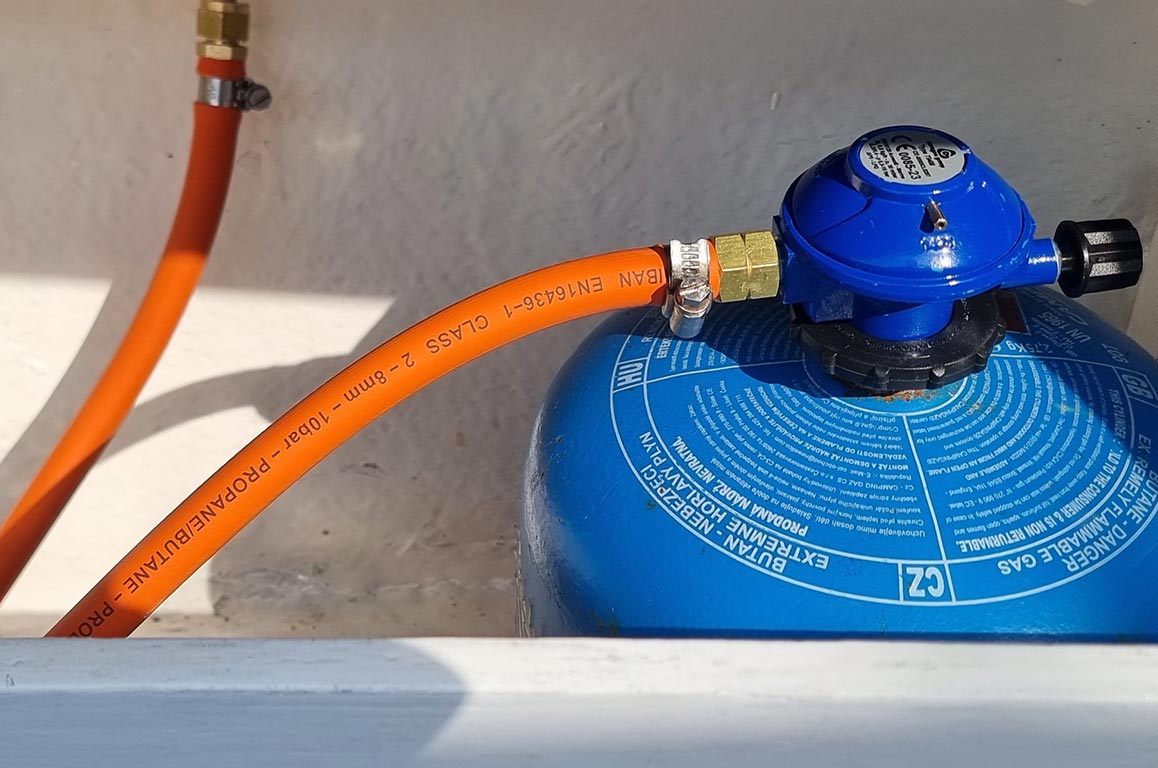 LCL Awards CONGLP1-B LPG Boat & Yacht Appliances Course
£125
£150
View Course
Looking for Gas Equipment?
We are an approved stockist and service centre for Anton, Kane, Testo, TPI, and Sauermann. In addition, we stock quality tools from Rothenberger and Monument.
Shop Now
LCL Awards CONGLP1-B LPG Boat & Yacht Appliances Course
£125
£150
View Course
Looking for Gas Equipment?
We are an approved stockist and service centre for Anton, Kane, Testo, TPI, and Sauermann. In addition, we stock quality tools from Rothenberger and Monument.
Shop Now
Becoming a qualified gas engineer starts with the right training. We offer a range of beginner-friendly gas courses designed to help you start your career safely and confidently. Popular options include:
- IMPHS – Installation & Maintenance of Plumbing & Heating Systems Course
- DNGA3 – Managed Learning Programme for Domestic Natural Gas Appliances
Our comprehensive guide walks you through the steps to become a certified gas engineer, from beginner training to professional accreditation. Explore our beginner gas courses and start your gas engineering career today.
The ACS (Accredited Certification Scheme) is the essential certification process for anyone aiming to work as a gas engineer in the UK. This assessment evaluates both practical skills and theoretical knowledge, ensuring engineers can safely work with gas appliances and installations.
To become qualified, engineers must complete an initial ACS assessment, followed by reassessments every five years to stay current with industry standards and regulations. Maintaining ACS certification is crucial for Gas Safe registration and legally working in the gas industry.
The ACS is the nationally recognised route to gain a certificate of competence across all areas of gas work, including:
- Domestic natural gas (NG) and LPG
- Commercial heating
- Commercial catering and laundry systems
- Gas meter installation
- Emergency service provision
The scheme is overseen by the United Kingdom Accreditation Service (UKAS). LCL Awards, a UKAS-accredited certification body (No. 0230), offers accredited ACS assessments to help engineers achieve and maintain their qualifications.
Completing your ACS gas assessments is a major step toward becoming a fully qualified gas engineer, but registering with the Gas Safe Register is the legal requirement for working with gas in the UK under the Gas Safety (Installation and Use) Regulations 1998. Without Gas Safe registration, you cannot legally install, service, or repair gas systems, and doing so could result in fines or legal action. Registration not only keeps you compliant but also demonstrates your competence to customers through the Gas Safe card.
Before undertaking any appliance-specific assessment, all areas of gas work require completion of a gas safety assessment.
Core ACS Gas Courses
- CCN1 – Core Domestic Natural Gas Safety & Appliances Course
- CCCN1 – Core Commercial Catering Natural Gas Safety & Appliances Course
Example: Domestic Natural Gas
- CCN1 – Core Domestic Gas Safety (mandatory), now including CPA1 (Combustion Performance Analysis)
Once the core assessment is completed, you can take appliance-specific assessments relevant to your role:
- CENWAT – Central Heating Boilers & Water Heaters
- CKR1 – Cookers
- HTR1 – Gas Fires
- MET1 – Meters
- DAH1 – Ducted Air Heaters
For engineers moving from one ACS core to another, changeover assessments cover areas not included in the original core. Additional gas training may be required before taking the assessment, contact us for advice.
Changeover ACS Gas Courses
- CODNCO1 – Changeover Domestic to Commercial Natural Gas Appliances Course
- CONGLP1 – Changeover Natural Gas to LPG Appliances (Inc. Permanent Dwellings) Course
- COCATA1 – Changeover Domestic to Commercial Catering Natural Gas Appliances Course
Example: Changeover to Commercial Natural Gas
- CODNCO1 – Changeover from Domestic NG to Commercial NG
- ICPN1 – Installation of Commercial Pipework
- TPCP1A – Testing & Purging of Low-Pressure Commercial Pipework (≤1m³, 21 mbar operating pressure – NG)
- CIGA1 – Installation of Commercial Indirect Fired Appliances
Completing the right gas course and ACS assessments ensures you can safely and legally work in the gas industry while maintaining your Gas Safe registration.
To join the Gas Safe Register, you must first complete your ACS certificate(s) in the areas of gas work you plan to undertake. Once you receive your certificate of competence, you are ready to apply for Gas Safe registration. LCL Awards will automatically submit your details to the Gas Safe Register when issuing your ACS certificate.
Newly qualified engineers or those returning after a lapse in registration will undergo a probationary period. During this time, you must maintain detailed records of all gas work completed, which Gas Safe Register may inspect. Certain tasks, such as appliance installations, must be reported to Gas Safe Register according to the rules of registration.
Registration with the Gas Safe Register is a legal requirement for anyone performing gas work in the United Kingdom, Isle of Man, or Guernsey. Completing the right gas training and ACS assessments ensures you can work safely, legally, and professionally as a qualified gas engineer.
The initial ACS assessment is for new entrants or gas engineers whose qualifications have lapsed. It is longer in duration and includes more written questions, covering all core and appliance elements required to gain ACS certification for the first time.
ACS reassessment, however, is only available to operatives who currently hold a valid ACS qualification. Reassessments are shorter and focus on key areas previously completed, along with any updates to legislation introduced over the last five years. For efficiency, it is recommended that both the core gas safety and appliance assessments be completed together during reassessment, saving time and cost.
If your ACS qualification has expired, you must undertake the full initial assessment. If your certification is still in date, the reassessment provides a quicker route to renew your qualifications and maintain compliance with Gas Safe registration requirements.
Planning your ACS reassessment carefully is crucial to avoid any gaps in your professional qualifications as a gas engineer. You can take your reassessment up to six months before your current ACS certification expires, giving you enough time to complete the process without interrupting your ability to work legally.
Avoiding Lapses
Missing your reassessment deadline can have serious consequences. If your ACS certification lapses for more than 12 months, you will no longer be eligible for reassessment and must retake the full initial ACS assessment. This is more time-consuming and costly, as it requires completing all core and appliance elements from scratch. During the lapse, you are not legally permitted to carry out any gas work, which can result in lost income and professional disruption.
Maintaining Gas Safe Registration
Passing your ACS reassessment is also essential for maintaining your Gas Safe Register membership. Gas engineers must be registered to work legally with gas appliances and systems. Once reassessment is completed successfully, your Gas Safe registration is automatically renewed, allowing uninterrupted professional practice. Staying up to date ensures compliance with HSE regulations and demonstrates ongoing competence and commitment to safety in the gas industry.
Why Choose PASS?
Experts in Gas Courses
Our team is here to guide through your gas qualification.
Tutors with Years of Experience
Train with expert tutors who help you build skills, confidence, and the ACS gas qualifications you need to succeed.
Trusted by Gas Engineers
Since 1995, our Hertfordshire gas centre has trained thousands of gas engineers.

Gas Courses Explained
Gas courses provide the knowledge and skills needed to work with domestic, commercial, and LPG systems while staying fully compliant with Gas Safe and ACS requirements. Whether you are just starting out or looking to expand your expertise, the right training ensures you can work confidently and professionally across a range of gas applications. Beginners can gain a solid foundation with programmes like the DNGA3 Managed Learning Programme for Domestic Natural Gas Appliances, which covers essential gas safety principles and practical skills.
For qualified engineers, core and changeover training allows you to broaden your capabilities and maintain compliance with current safety standards. The CCN1 Core Domestic Natural Gas Safety & Appliances Course, for example, equips engineers with critical knowledge for working safely with domestic gas systems. Changeover training also enables professionals to transition between domestic, commercial, and LPG systems, ensuring flexibility and career growth.
Specialist training, including appliance-specific modules, helps engineers enhance their expertise in targeted areas such as boilers, cookers, heating systems, and commercial equipment. These add-ons complement core knowledge, allowing professionals to handle a wider variety of installations and maintenance tasks confidently. By combining foundational learning, core training, and appliance-specific skills, gas engineers can maintain their ACS certification, remain compliant with industry regulations, and deliver high-quality service to clients.